Kyoto 4-Day Itinerary: Temples, Tea, and What Most Tourists Never See
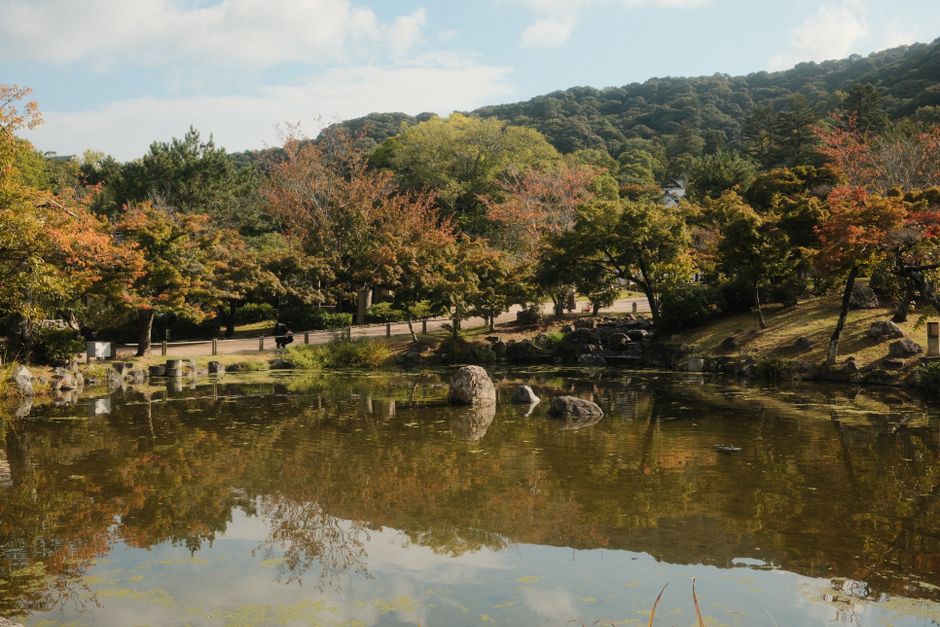
Most people think Kyoto is a city you can “do” in two days. You check off the Golden Pavilion, snap a photo at Fushimi Inari, walk through Gion hoping to spot a geisha, and leave. That works if you want a slideshow. It fails if you want to understand why this city has held Japan’s cultural center of gravity for over a thousand years. This itinerary assumes you want the second thing. It is built for culture lovers who would rather spend an hour sitting in a 400-year-old tea room than queue for a matcha soft serve.
This is not legal advice, obviously. It is a travel plan. But it is structured with the same care a researcher would bring to a case file: specific locations, real hours, current costs, and the failure points most guides skip over.
Day 1: Northern Kyoto and the Problem of Temple Fatigue
The most common mistake first-time visitors make is scheduling too many temples in one day. By the third temple, everything blurs into gold leaf and gravel. Your brain stops registering what you are seeing. This is called temple fatigue, and it is real. The fix is simple: pick two temples per day maximum, and separate them with something that uses a different part of your brain.
Start your first morning at Kinkaku-ji (Golden Pavilion). It opens at 9:00 AM. Arrive at 8:45. The entrance fee is 500 yen. Yes, it is crowded. Yes, it is worth it anyway. The building is covered in gold leaf and sits on a pond designed to reflect it perfectly. You will be shuffled along a prescribed path. That is fine. The view from across the pond is the one you came for. Take it. Move on.
From Kinkaku-ji, walk fifteen minutes to Ryoan-ji. This is the famous rock garden. Fifteen rocks arranged in a rectangle of raked gravel. No matter where you sit, you can only see fourteen at once. The temple opens at 8:00 AM and costs 600 yen. Sit on the wooden platform. Watch how the light changes the gravel over ten minutes. Do not rush this. The point is not to see the rocks. The point is to notice what your mind does when there is nothing else to look at.
For lunch, skip the tourist restaurants near the temples. Take the bus or a taxi to Nishiki Market. It is crowded, yes, but the food stalls are honest. Try a few skewers. Eat standing up. This is how locals eat. You are not looking for a sit-down meal. You are resetting your senses with salt, smoke, and vinegar before the afternoon.
What You Actually Need for This Day
Comfortable shoes. You will walk five to seven kilometers. A small coin purse, because temples take cash only. A lightweight daypack. If you are carrying a large camera, bring a strap that distributes weight across your shoulder, not your neck. The Peak Design Slide Lite strap costs around $60 and does this well. It is overkill for a phone photographer, but if you carry a DSLR or mirrorless body, it prevents the neck strain that ruins a day by 3 PM.
Day 2: Arashiyama Without the Instagram Crowd
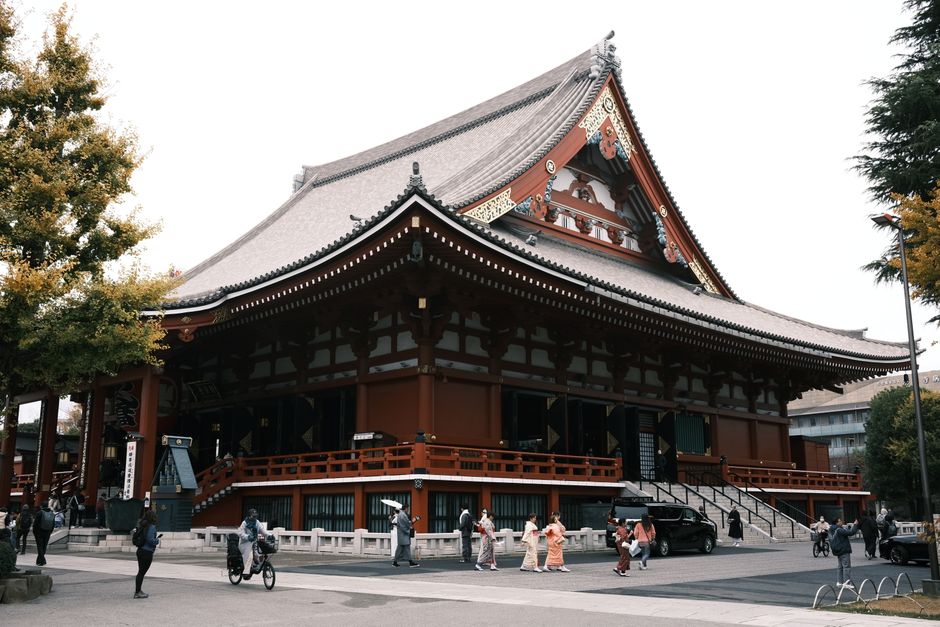
Arashiyama is on every itinerary. The bamboo grove is beautiful and absolutely mobbed by 10 AM. Here is the failure mode: people arrive at 10:30, fight through the crowd, get frustrated, and leave. The fix is to arrive before 7:30 AM. The grove is empty. The light is soft. You can hear the bamboo creak in the wind. That sound is the whole point.
After the grove, skip the monkey park. It is a steep climb and the monkeys are unremarkable if you have seen macaques before. Instead, walk north to Otagi Nenbutsu-ji. This is a small temple at the far end of the Arashiyama district. It costs 300 yen. It contains 1,200 stone statues of rakan, each with a different facial expression. Most tourists never make it this far. You will likely be alone. The statues were carved by amateurs in the 1980s, which gives them a raw, personal quality that polished temple art lacks.
For lunch, find a small soba or udon shop away from the main street. Look for a place with a handwritten menu and no English. Point at what you want. Pay in cash. This is not a test of your Japanese. It is a reminder that you are a guest in a working city, not a theme park.
When Arashiyama Is Not Worth It
If your Kyoto visit falls during Golden Week (April 29 to May 5) or the autumn foliage peak in late November, skip Arashiyama entirely. The crowds are not just unpleasant; they are physically dangerous on the narrow paths near the river. In those weeks, replace this day with a trip to Ohara, a rural valley forty minutes north of the city. The Sanzen-in temple there has moss gardens that rival anything in Arashiyama, and the crowds are a fraction of the size.
Day 3: Tea Ceremony and the Gion Question
Here is my position: a tea ceremony is worth the money, but only if you choose the right one. The cheapest ceremonies in Gion are rushed, performed for groups of twenty, and feel like assembly lines. The good ones cost between 3,000 and 5,000 yen and limit groups to six people. You sit on tatami. The host prepares matcha with slow, deliberate movements. You are not just drinking tea. You are watching a ritual that has been practiced for over 400 years. That is the product. The tea itself is bitter and frothy. That is not the point.
For a reliable experience, book Camellia Tea Ceremony near Ryoan-ji or En Tea Ceremony in Gion. Both run small groups and explain the process in English. Book at least one week ahead. Walk-ins are rare.
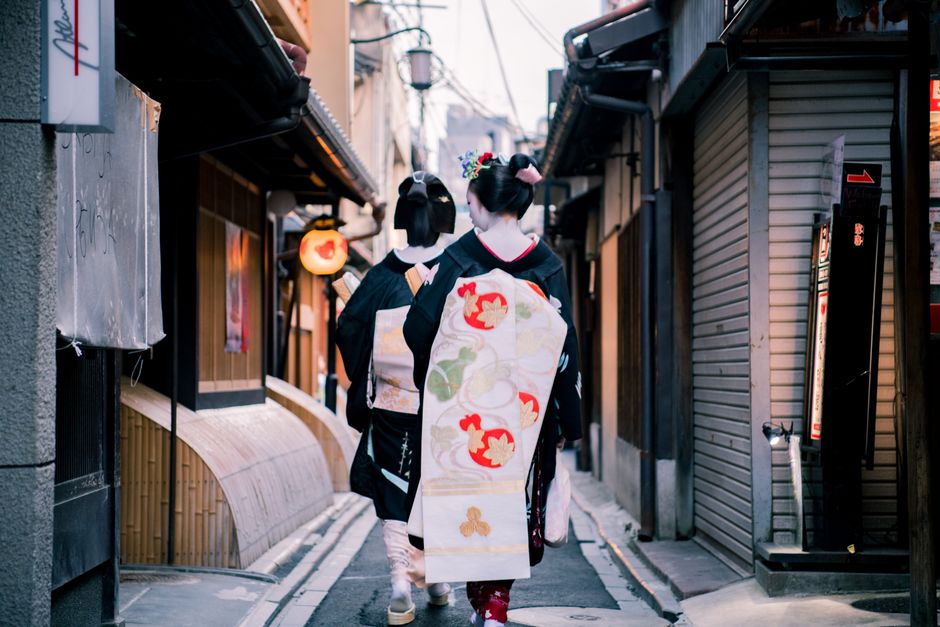
After the ceremony, you have a decision to make about Gion. The main street, Hanamikoji-dori, is crowded with tourists trying to photograph geisha. Here is the uncomfortable truth: the geisha and maiko who work in Gion are not performers for your camera. They are working women walking between appointments. Chasing them with a lens is rude. In 2026, the city has restricted photography on private streets in Gion. Fines can reach 10,000 yen. Respect the signs. If you want to see a geisha performance, buy a ticket to Gion Corner or a seasonal dance at the Minamiza Theatre. That is the appropriate way to engage with this culture.
| Tea Ceremony Option | Location | Cost (2026) | Group Size | Verdict |
|---|---|---|---|---|
| Camellia Tea Ceremony | Near Ryoan-ji | 3,500 yen | Up to 6 | Best for first-timers |
| En Tea Ceremony | Gion | 4,500 yen | Up to 6 | Best for atmosphere |
| Gion Corner | Gion | 5,500 yen | Large hall | Best for variety of arts |
| Street-side “quick” ceremony | Gion | 1,500 yen | 20+ | Avoid — rushed and impersonal |
This table exists because I have watched too many people waste money on the cheap option and then decide tea ceremony is overrated. It is not overrated. You just picked the wrong room.
Day 4: Fushimi Inari at Dawn and the Slow Afternoon
Fushimi Inari is the most photographed shrine in Kyoto. Ten thousand vermilion torii gates winding up a mountain. The failure mode is obvious: everyone goes at noon. The path is a solid column of humans. You cannot see the gates, only the backs of heads.
Go at 6:30 AM. The shrine is open 24 hours. There is no entrance fee. At dawn, the gates glow in the low light and you will share the path with a handful of photographers and local runners. Climb to the Yotsutsuji intersection about halfway up. This is where the path opens and you get a view over Kyoto. Most people turn around here. That is acceptable. The full loop takes two to three hours and the upper section is less photogenic. Unless you are a serious hiker, the half-climb is the right call.
For your final afternoon, do something that is not a temple. Kyoto’s neighborhoods are the real cultural artifact. Walk from Demachiyanagi along the Kamo River. Sit on the riverbank. Watch families, cyclists, and old men fishing. This is where Kyoto lives when it is not performing for tourists. Buy a cold drink from a vending machine. Sit. Do nothing. If you have done the first three days properly, you have earned this.
A Note on Getting Around
Kyoto’s bus system is confusing for first-timers. The subway is simple but does not reach most temples. The practical answer is a combination: use the subway for long north-south routes, and take taxis for the last mile to temples. Taxis in Kyoto are not cheap, but they are clean and the drivers are professional. A three-kilometer ride costs about 1,000 to 1,200 yen. For a four-day trip, budget 6,000 to 8,000 yen for taxis. If you are on a tight budget, the Kyoto City Bus One-Day Pass at 700 yen is still available in 2026, but the buses are slow and crowded during peak hours. Choose based on your tolerance for friction.
What Most Itineraries Get Wrong About Kyoto
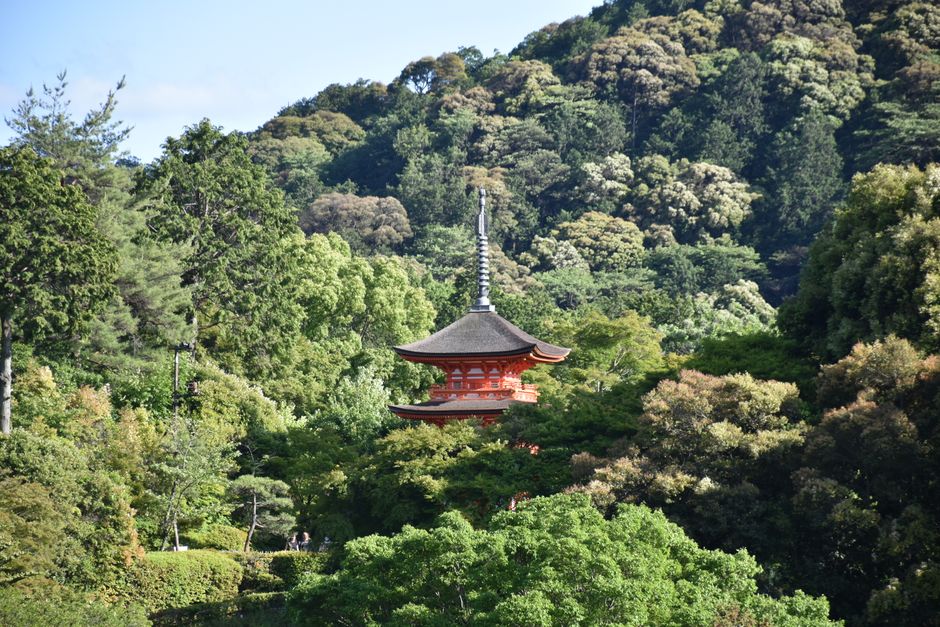
I will be direct. Most Kyoto itineraries fail because they treat the city as a checklist of sights rather than a place with a rhythm. The temples are not monuments. They are working religious sites. The tea ceremony is not a show. It is a practice. The neighborhoods are not backdrops. They are where people live.
If you take one thing from this guide, take this: do less, but do it with attention. Two temples per day. One ritual. One long walk. The rest is noise.
For the traveler who wants a structured way to carry this out, I recommend the Lonely Planet Kyoto guidebook (about $22) not because you need it for the sights, but because it has good maps and practical details on bus routes and opening hours. The Japan Rail Pass is not worth it for a Kyoto-only trip; it pays off only if you are also doing Tokyo or Osaka. Do not buy it for four days in one city.
Pack light. Bring cash. Arrive early. Leave the camera down sometimes. Kyoto rewards the patient.
Related Post
Satellite Communicator Buying Mistakes: Garmin vs Zoleo for Remote Treks
You are standing at the trailhead. Cell signal dropped thirty miles back. You are holding [...]
Schengen Visa Rules Us Citizens 2026: The US Traveler’s Schengen Problem: 90-Day Limits and How to Plan Around Them
Roughly 13 million Americans visited Europe in 2026, and a surprising number of them got [...]