Satellite Communicator Buying Mistakes: Garmin vs Zoleo for Remote Treks

You are standing at the trailhead. Cell signal dropped thirty miles back. You are holding two devices: the Garmin InReach Mini 2 and the Zoleo Satellite Communicator. One of them will work when your leg is broken. The other might leave you waiting for a response that never comes. That is not an exaggeration. That is the difference between a dedicated dispatch center and a routing service.
Most comparison articles focus on battery life and weight. That is the wrong place to start. The real question is: who answers the SOS button? Because when you press it, you are not calling the manufacturer. You are calling their backend infrastructure. And that is where these two devices diverge sharply.
The Hardware: What You Are Actually Carrying
The Garmin InReach Mini 2 is a standalone device. It weighs 3.5 ounces. It has a small screen, a physical keyboard for sending custom messages, and a battery that lasts up to 14 days in tracking mode. It runs on the Iridium satellite network, which covers the entire planet including polar regions.
The Zoleo is a different animal. It weighs 5.3 ounces. It has no screen and no keyboard. You connect it to your smartphone via Bluetooth. The Zoleo app handles all messaging. If your phone dies, the Zoleo has a single physical SOS button and a check-in button. That is it. You cannot send a custom message without a phone.
This is a fundamental design choice. Garmin assumes your phone is dead. Zoleo assumes your phone is alive. For a remote trek in 2026, that assumption matters more than any spec sheet.
When Your Phone Dies: The Garmin Advantage
On a multi-day trek, phones die. Cold drains lithium batteries. Rain gets into ports. Screens crack. If you are relying on the Zoleo and your phone is dead, you can still send an SOS. But you cannot tell anyone what is wrong. You cannot say “broken ankle, need evacuation, not life-threatening.” You can only press a button and hope the response center interprets it correctly.
The Garmin InReach Mini 2 lets you type a message on the device itself. You can communicate two-way without a phone. That is not a minor feature. It is the entire point of carrying a satellite communicator.
| Feature | Garmin InReach Mini 2 | Zoleo Satellite Communicator |
|---|---|---|
| Weight | 3.5 oz (99g) | 5.3 oz (150g) |
| Standalone Messaging | Yes (on-device keyboard) | No (phone required) |
| Battery Life (tracking) | Up to 14 days | Up to 10 days |
| Satellite Network | Iridium | Iridium |
| SOS Response Center | Garmin Response (owned, 24/7) | GEOS (third-party, 24/7) |
| Weather Forecasts | On-device, location-based | App-only |
| Price (2026) | $399.99 | $199.99 |
The price difference is real. The Garmin costs twice as much. But you are not paying for the hardware. You are paying for the screen and the keyboard. And those two things could be the difference between a coordinated rescue and a blind panic button.
The SOS Response: Who Actually Answers?

This is where the legal researcher in me gets cautious. Both companies use the Iridium satellite network. The signal goes up to space and comes back down. That part is identical. But once the signal reaches the ground, the paths split.
Garmin runs its own response center in Montgomery, Texas. It is called Garmin Response. The team there coordinates with local search and rescue agencies. They stay on the line with you until help arrives. They do not hang up. They do not transfer you to a call center in another country.
Zoleo uses GEOS International Emergency Response Coordination Center. GEOS is a legitimate company. They have been doing this for years. But they are a third-party contractor. They route your emergency to local authorities. They do not own the infrastructure. They are a middleman.
Does that matter in practice? In most cases, probably not. GEOS has a good track record. But when you are lying in a ravine at 2 a.m., the fewer middlemen, the better. Garmin’s vertical integration — device, network, response center — is a real advantage. It is not marketing fluff. It is a structural difference.
The Check-In Problem: Zoleo’s Fatal Flaw for Solo Treks
Zoleo’s app-based design creates a specific failure mode. The check-in feature — the thing that tells your family you are alive — requires your phone to be connected. If your phone dies, you can press the physical check-in button. But the message it sends is generic. It says “I am okay” but does not include your GPS coordinates unless the phone is connected.
Garmin’s check-in sends your coordinates every time. On-device. No phone needed. For solo trekkers, this is not a nice-to-have. It is the difference between your family knowing where you are and them knowing only that you pressed a button at some point.
Plans and Pricing: The Real Cost Over Two Years
Both devices require a subscription. You cannot buy the hardware and use it without a plan. This is where many buyers make a mistake. They compare the $199 Zoleo to the $399 Garmin and think they are saving $200. They are not.
Zoleo’s plans start at $20 per month for basic SOS and check-in. Garmin’s plans start at $14.95 per month for the same features. Over two years, that is $358.80 for Garmin and $480 for Zoleo. The Garmin is actually cheaper over time, despite the higher upfront cost.
- Garmin Safety Plan: $14.95/month. 10 text messages, unlimited SOS, unlimited check-ins.
- Zoleo Basic Plan: $20/month. 25 text messages, unlimited SOS, unlimited check-ins.
- Garmin Recreation Plan: $34.95/month. Unlimited texting, weather forecasts, location tracking.
- Zoleo InReach Plan: $35/month. Unlimited texting, weather forecasts, location tracking.
Both companies offer annual plans that reduce the monthly cost. Garmin’s annual safety plan drops to $11.95/month. Zoleo’s annual basic plan drops to $16.67/month. The gap narrows, but Garmin still wins on price for the core safety features.
There is a catch with Zoleo. To use the Zoleo app for messaging, you need a Zoleo plan. You cannot use a Garmin plan with a Zoleo device. The ecosystems are closed. So your choice of hardware locks you into a specific subscription model.
When Zoleo Makes More Sense

I am not going to pretend the Garmin is the right choice for everyone. It is not. The Zoleo has a specific use case where it genuinely wins.
If you are a casual hiker who stays on well-traveled trails, the Zoleo is fine. You have cell signal most of the time. The satellite communicator is a backup. Your phone is rarely dead because you are never more than a few hours from a charger. In that scenario, the Zoleo’s lower upfront cost is attractive. You save $200 on hardware and you probably never need the standalone messaging.
The Zoleo also has a better app experience. The messaging interface is cleaner. The weather forecasts are easier to read. The contact list syncs with your phone automatically. If you are someone who lives on your phone, the Zoleo feels more natural.
But here is the thing: if you are going on a remote trek in 2026, you are not a casual hiker. You are going somewhere with no cell signal for days. Your phone will die. Or it will be too cold to function. Or you will drop it in a stream. The Garmin’s standalone capability is not a luxury. It is the entire reason to carry a satellite communicator.
The Verdict: One Clear Winner for Remote Treks
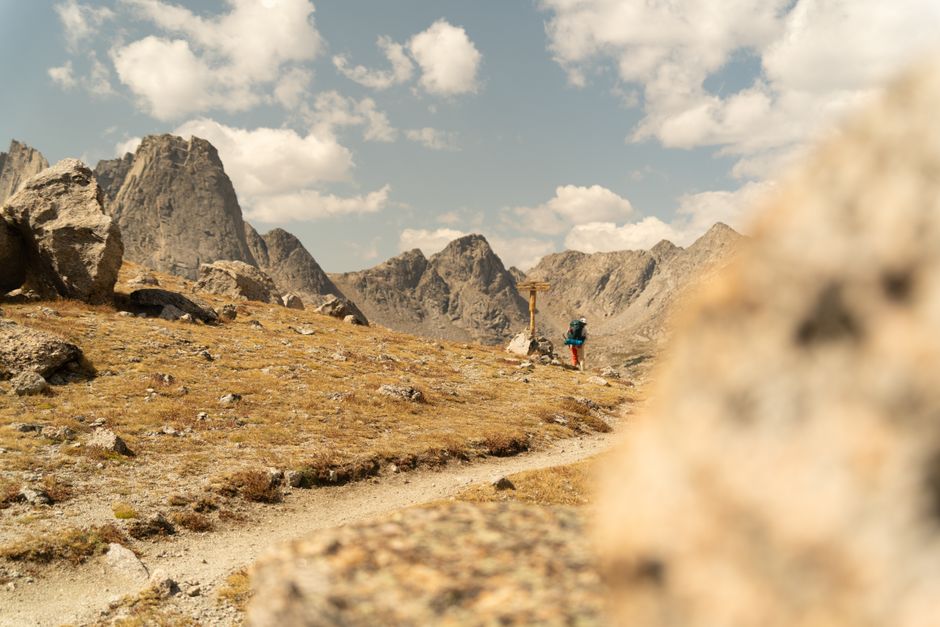
For remote treks, the Garmin InReach Mini 2 is the better choice. Not because of brand loyalty. Not because of marketing. Because of one specific feature: it works without a phone.
The Zoleo is a satellite accessory for your smartphone. The Garmin is a standalone satellite communicator. Those are different product categories. The Zoleo is cheaper upfront, but you pay more over time and you lose functionality when your phone dies. The Garmin costs more upfront, but it is cheaper over two years and it works when everything else fails.
If you are trekking in Patagonia, the Himalayas, or the Alaskan backcountry, get the Garmin. If you are doing weekend hikes in cell range, the Zoleo is a reasonable budget option. But do not buy the Zoleo for a remote trek and expect it to save you when your phone is dead. It will not.
The satellite communicator market is moving toward devices that work independently of phones. Garmin is already there. Zoleo is still catching up. In 2026, the gap is clear. Buy the device that does not depend on another device to function.
Related Post
Schengen Visa Rules Us Citizens 2026: The US Traveler’s Schengen Problem: 90-Day Limits and How to Plan Around Them
Roughly 13 million Americans visited Europe in 2026, and a surprising number of them got [...]
Smart Planning For Pet-Friendly City Breaks
City breaks with pets need quieter hotels, walkable routes, transport rules, and realistic downtime. Pet-friendly [...]