The Danger of Hot Weather for Cats and Dogs
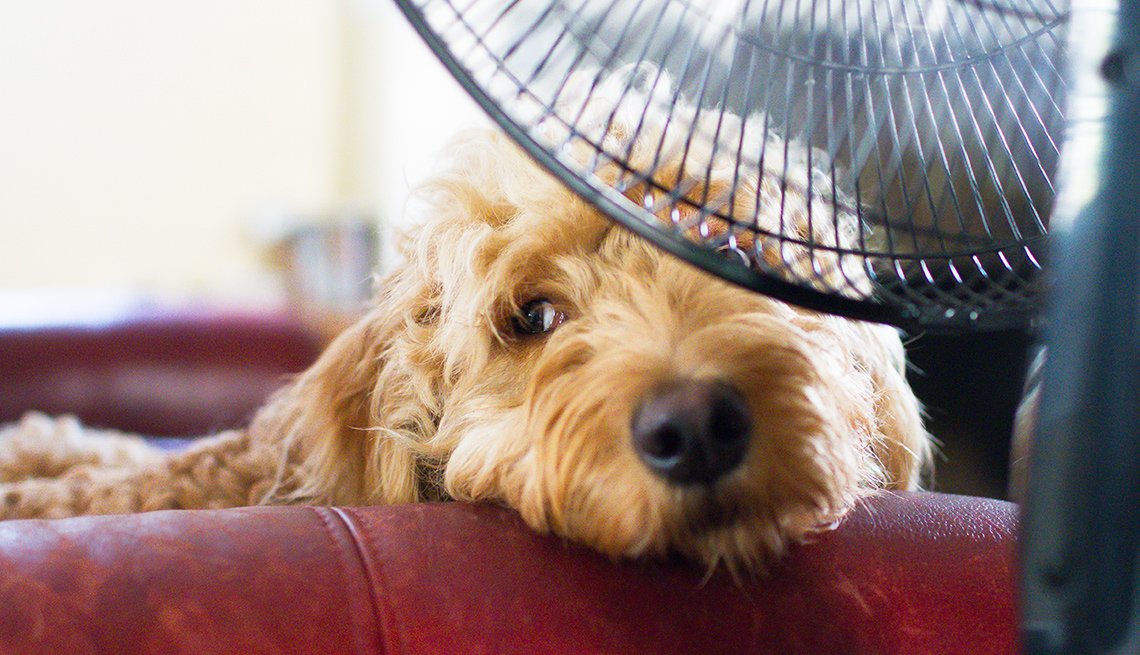
Most people think a panting dog on a summer walk is normal. It’s not always normal. Panting is the primary way dogs cool down, but when humidity climbs above 70%, panting becomes inefficient. Cats hide heat stress even better — they’ll sit still, stop eating, and you might not notice until they collapse. This article explains the medical reality, the legal landscape, and the practical steps that can save your pet’s life. This is not legal advice — consult a licensed attorney for specific questions about animal cruelty or liability in your state.
1. Heatstroke vs. Heat Exhaustion: The Legal and Medical Distinction
Heat exhaustion and heatstroke are not the same thing. The difference matters for your pet’s survival and for potential legal liability if someone else’s pet is involved.
Heat Exhaustion
Body temperature rises to 103°F–104°F (39.4°C–40°C). The pet is weak, drooling heavily, and may vomit. At this stage, cooling measures usually reverse the damage. Move the pet to shade, offer cool (not ice-cold) water, and wet their paw pads and belly with room-temperature water. Do not use ice — it constricts blood vessels and traps heat inside.
Heatstroke
Body temperature exceeds 105°F (40.5°C). Organs begin to fail. The pet may have seizures, bloody diarrhea, or lose consciousness. This is a medical emergency. Even with aggressive veterinary care, survival rates drop sharply above 107°F. Courts in several states have found pet owners liable for negligence if their dog left unattended in a yard without shade or water causes injury to another animal or person. In California, Civil Code Section 3340 allows for punitive damages in cases of cruelty to animals.
A 2026 study in the Journal of Veterinary Emergency and Critical Care found that brachycephalic breeds (bulldogs, pugs, Persian cats) reach heatstroke temperatures 30% faster than other breeds. Their anatomy literally cannot move enough air to cool them.
2. Hot Cars: State Laws and Real Temperature Data
Every year, pets die in parked cars. The numbers are not abstract.
On a 70°F day, the inside of a car reaches 89°F in 10 minutes and 104°F in 30 minutes. On a 90°F day, it hits 109°F in 10 minutes. Cracking the windows does almost nothing — the temperature rise slows by only 2–3 degrees.
As of 2026, 31 states have laws that specifically address leaving an animal in a vehicle under dangerous conditions. The penalties vary widely:
| State | Law Type | Penalty | Good Samaritan Protection? |
|---|---|---|---|
| California | Criminal misdemeanor | Up to $500 fine, 6 months jail | Yes (PC 597.7) |
| Texas | Class C misdemeanor | Up to $500 fine | No |
| New York | Civil violation | Up to $250 fine | Yes (Agriculture & Markets Law 353-d) |
| Florida | No specific law | General animal cruelty applies | No |
Good Samaritan laws protect a person who breaks a car window to rescue a pet — but only in states that have passed them. In states without such protection, you could face vandalism charges. If you see a pet in distress, call 911 or local animal control first. Do not break a window unless the animal is clearly unconscious and you are in a state with legal protection.
3. Paw Pad Burns: A Common, Avoidable Injury
Paw pads are skin, not leather boots. They burn.
The 7-second rule: place the back of your hand on the pavement for 7 seconds. If it’s too hot for you, it’s too hot for your dog. Asphalt can reach 125°F on an 85°F day. A dog’s paw pad will begin to blister after 60 seconds of contact at that temperature.
Signs of a burn: limping, licking paws obsessively, darkening or peeling pad skin, refusal to walk. Treatment involves cleaning the pad with diluted chlorhexidine (0.05%), applying a non-stick bandage, and keeping the dog off the foot for 48 hours. Severe burns require veterinary debridement.
Brands like Musher’s Secret (wax-based paw protectant, $15 for 4 oz) and Ruffwear Grip Trex boots ($50, sizes XS–XL) are effective for short walks on hot surfaces. But boots reduce traction on wet surfaces, and some dogs refuse to walk in them. The safest approach: walk before 8 AM or after 8 PM in summer months.
4. Brachycephalic Breeds: The Highest Risk Group
Flat-faced breeds cannot cool themselves effectively. Their shortened nasal passages reduce the surface area available for heat exchange. The French Bulldog, English Bulldog, Pug, and Persian cat are at extreme risk.
A study of 1,222 brachycephalic dogs published in Canine Medicine and Genetics (2026) found that 67% of owners reported respiratory distress after exercise in temperatures above 75°F. The same study showed that 22% of these dogs developed heat-related illness severe enough to require veterinary intervention.
For these breeds, the following are not optional:
- No walks when the temperature exceeds 75°F.
- Use a cooling vest (e.g., Ruffwear Swamp Cooler, $70) soaked in cool water before exercise.
- Keep indoor temperature below 78°F. A fan alone is insufficient — cats and dogs don’t sweat, so moving air doesn’t cool them the way it cools humans.
- Watch for reverse sneezing, which is a sign of airway obstruction and overheating in flat-faced breeds.
5. Water Access and Hydration: The Legal Minimum vs. Best Practice
Most states have animal cruelty statutes that require access to “adequate water.” What does that mean legally?
In Illinois (510 ILCS 70/3), “adequate water” means potable water that is accessible at all times. In Texas (Health & Safety Code 821.077), the standard is “sufficient quantity to prevent dehydration.” These laws are enforced primarily after an animal dies or is visibly suffering. They do not specify temperature.
Best practice: water should be cool (60–70°F), not cold. Ice water can cause stomach cramps and slow absorption. Metal bowls heat up faster than ceramic or plastic — use a ceramic bowl in direct sun. Change water every 4 hours in hot weather because bacteria multiply in standing warm water.
For travel, a Gulpy water bottle ($12, 18 oz) or Lixit portable water bowl ($10, collapsible silicone) allows you to offer water every 30 minutes during a car trip. Do not let your pet drink from puddles or standing water — the risk of leptospirosis is higher in warm weather.
6. When NOT to Use a Cooling Product
Not every product marketed for hot weather is safe. Some can cause harm.
Cooling mats that use gel or water: effective only if the ambient temperature is below the mat’s activation point (typically 80°F). Above that, the mat becomes a warm surface. The Green Pet Shop Cool Pet Pad ($35, 20×16 inches) activates below 82°F and stays cool for 3–4 hours. Above 85°F, it’s useless.
Cooling collars with ice packs: dangerous if the pet chews through the fabric. The gel inside is often non-toxic but can cause gastrointestinal blockage if ingested in large amounts. The Canada Pooch Cooler Dog Bandana ($20) uses evaporative cooling — soak in water, wring out, and tie. It works but requires re-wetting every 2 hours.
Shaving a double-coated dog (Husky, Golden Retriever, Chow Chow): this destroys their natural insulation. The undercoat traps cool air close to the skin. Shaving it off exposes the skin to direct sun and increases the risk of heatstroke. Brush out the undercoat instead. Use a FURminator deShedding Tool ($35–$50 depending on size) once a week during summer.
The one product that consistently works: a K&H Pet Products Cool Bed III ($45, 24×36 inches). It uses pressure-activated cooling — no gel, no electricity. It stays 10–15 degrees below ambient temperature as long as the room is below 90°F. Above that, it stops working.
7. Legal Liability: What Happens If Your Pet Harms Someone During Heat Stress?
A heat-stressed animal is an unpredictable animal. Dogs in particular can become aggressive when they are overheating because their brain is under physiological stress.
If your dog, while in a state of heat exhaustion, bites a person or attacks another animal, you could face both civil and criminal liability. Strict liability states (California, Florida, Michigan) hold the owner responsible regardless of the dog’s prior behavior. One-bite rule states (Texas, New York, Georgia) may give you one free pass if the dog had no history of aggression — but heat stress is not a defense.
In Massachusetts, a 2026 case (Doe v. Smith) found the owner liable for $45,000 in damages after their Labrador, left in a backyard without water for 6 hours on a 94°F day, jumped a fence and bit a neighbor. The court noted the dog’s heat stress as a contributing factor to the aggression.
To protect yourself legally:
- Document your cooling measures (photos of shade, water, cooling pads).
- Never leave a pet tethered outside — tethering prevents access to shade and water.
- If you board your pet, verify the facility has AC and emergency cooling protocols.
This is not legal advice — consult a licensed attorney for your specific situation.
Quick Comparison: When to Act
| Condition | Temperature Threshold | Action Required | Legal Risk if Ignored |
|---|---|---|---|
| Heat exhaustion | 103–104°F body temp | Move to shade, offer cool water, wet paw pads | Low (civil only) |
| Heatstroke | 105°F+ body temp | Emergency vet immediately | High (possible cruelty charges) |
| Hot car | 70°F+ outside | Do not leave pet in car >5 min | Misdemeanor in 31 states |
| Paw pad burn | 85°F+ pavement | Walk only before 8 AM or after 8 PM | Low (civil if injury to pet) |
Related Post

Can Cats Eat Crawfish? Vet-Reviewed Risk & Benefits
It’s no secret that felines are seafood lovers. Crawfish might seem safe for your cat, [...]
Can Cats Eat Kidney Beans? Vet-Reviewed Facts & Health Guidelines
Kidney beans are a tasty legume chock full of health benefits for humans, but are [...]