Indoor Cat Enrichment Guide Tips for Happy Healthy Felines
The 5 Pillars of Feline Enrichment: Environmental Enrichment for Your Indoor Cat
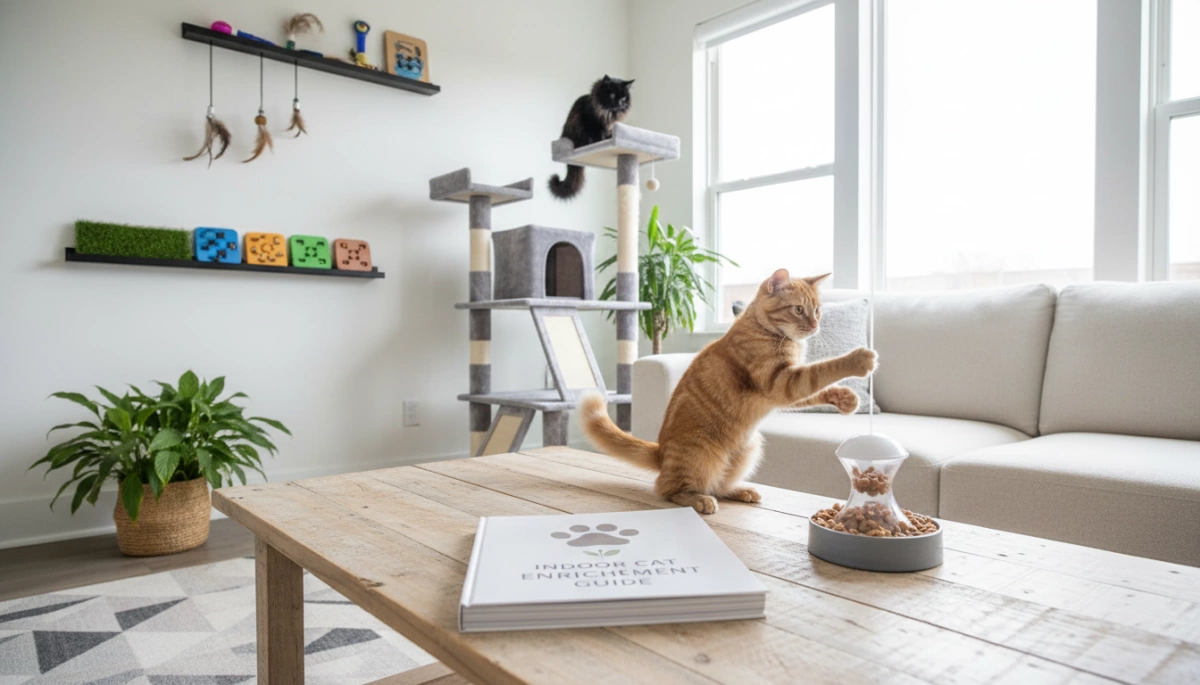
One of the most important ways to keep your indoor cat happy and healthy is through environmental enrichment, offering both vertical and horizontal spaces that mimic their natural habitat. Cats crave vertical territory—being high up gives them a sense of security and control. From these elevated spots, they can survey their surroundings, which helps reduce stress and satisfy their natural curiosity.
Why Your Cat Needs Vertical Space
Cats feel safest when they have access to high perches. This height advantage allows them to monitor potential threats or prey, fulfilling their instinctive need for surveillance and security. Your cat’s mental stimulation depends a lot on these vertical territories.
Practical Ideas to Boost Vertical Territory
- Cat trees: Invest in multi-level cat trees that provide climbing and resting spots.
- Wall-mounted shelves: Install sturdy shelves to create a vertical playground.
- Clearing fridge tops and cabinets: Give your cat some free space on tall surfaces to nap or watch the room.
Hiding Spots: Creating Safe Zones
Cats also need enclosed, protected spots where they can relax away from activity. These “safe zones” help your cat feel secure and reduce anxiety.
- Use cardboard boxes or tunnels as inexpensive hiding places.
- Covered beds or igloos give your cat a cozy retreat.
- Rotate these options to keep your cat intrigued.
Window Perches & Visual Stimulation
Set up window perches so your cat can watch the outside world. Adding a bird feeder right outside the window creates a feline “TV” packed with entertainment. This stimulates your cat’s prey drive and provides hours of amusement without leaving your home.
Environmental enrichment through vertical and horizontal spaces, safe zones, and visual stimuli is not just fun—it’s essential for your cat’s mental stimulation and overall well-being. Making these adjustments can transform your home into a stimulating playground tailored to your cat’s natural behavior and instincts.
Nutritional Enrichment: Stop the Free-Feeding Habit
One of the key pillars of indoor cat enrichment is nutritional enrichment. Instead of leaving food out all day (free-feeding), encourage your cat to work for their meals. This taps into their natural prey drive and provides much-needed feline mental stimulation.
The Hunt
Cats are hunters by nature, and feeding them should mimic this instinct. When your cat “works for food,” they’re not just eating—they’re engaging their brain and body in a satisfying way. This mental challenge reduces boredom and can improve overall wellbeing.
Puzzle Feeders
Start with simple tools like lick mats, treat balls, and slow feeders to make mealtime a game. These toys slow down eating and encourage problem-solving skills, helping prevent overeating and keeping indoor cats active. Puzzle feeders are easy DIY projects too, which adds fun for both owner and pet.
Hide and Seek
Another excellent way to boost enrichment is by hiding dry kibble around the house. Scattering small portions encourages your cat to sniff out each piece, stimulating their hunting instincts without needing extra space or expensive toys.
Switching from free-feeding to these interactive feeding methods can transform mealtime into a rewarding experience and reduce common behavioral issues linked to boredom. For more insights into cat behavior and enrichment, you might find the guide on why cats stare at nothing interesting—it touches on feline attention and focus, which ties into how cats engage with their environment.
Sensory Enrichment for Indoor Cats (Beyond Sight)
Sensory enrichment goes beyond just what your cat sees—touch, smell, and sound play huge roles in keeping their indoor cat behavior lively and mentally stimulated.
Olfactory (Smell): Cats have a highly sensitive nose, so introducing different safe scents can spark their curiosity and reduce boredom. Silvervine, catnip, and valerian root are well-known natural stimulants that many cats love. You can also bring in “safe scents” from outside like leaves or pinecones to mimic natural outdoor smells, boosting their feline mental stimulation and creating a mini sensory garden right at home.
Auditory: Sounds can keep your cat entertained or calm them when you’re busy. Bird videos for cats are excellent for visual and auditory engagement, but soothing options like classical music played softly during the day can also reduce stress and create a relaxing environment.
Tactile: Cats need to scratch and feel different textures to stay happy and healthy. Providing a variety of scratching substrates like sisal ropes, cardboard scratchers, carpet, and wood benefits their claws and engages their tactile senses, which is a critical part of environmental enrichment for pets. Variety helps keep scratching posts effective and interesting, avoiding the indoor cat boredom busters that come from repetitive textures.
Incorporating these sensory elements helps round out a comprehensive indoor cat enrichment guide that supports your cat’s overall wellbeing. For more on keeping your cat happy and healthy, check specialized tips like how to keep your cat’s nails in great condition.
Cognitive & Social Enrichment for Indoor Cats
Contrary to popular belief, cats can absolutely be trained — it just takes the right approach. Clicker training is a fantastic way to challenge your cat mentally while strengthening your bond. Simple tricks like teaching “sit,” “high five,” or target training provide feline mental stimulation and help burn off excess energy in a positive way.
Interactive play is another vital part of social enrichment. There’s a big difference between leaving a toy on the floor and actively engaging your cat with a wand toy. Moving the toy like real prey triggers their natural hunting instincts better and keeps them more interested. This human element is key to indoor cat exercise and preventing boredom.
For those new to clicker training or looking for ideas on keeping your cat mentally sharp, check out this guide on how to train your cat effectively. It’s a great resource to turn playful moments into rewarding lessons.
DIY Enrichment: Budget-Friendly Boredom Busters
Indoor cat enrichment doesn’t have to break the bank. You can create fun, engaging setups using simple household items that tap into your cat’s natural curiosity and play drive.
The Magic of Cardboard
Cats love cardboard, and it’s perfect for DIY cat puzzle feeders and hiding spots. Try building castles or puzzle boxes using empty toilet paper rolls glued together. These stimulate feline mental stimulation as cats explore and hunt for hidden treats.
Paper Bag Parks
Grab handle-free paper bags and crinkled paper to set up “parks” where cats can crunch, hide, and pounce. These simple textures and hideouts offer sensory enrichment and keep your cat entertained with minimal effort.
The Water Bowl
Add a shallow pan of water with floating toys or ice cubes for interactive water play. This encourages tactile stimulation and curiosity. Plus, many cats find the movement and sound soothing, blending sensory enrichment with a bit of light exercise.
These affordable boredom busters fit easily into a routine and provide diverse stimuli, making indoor cat behavior problems less likely to surface. For more about keeping your cat mentally and physically active, check out practical tips for why some cats play with poop, which also dives into uncommon play behaviors.
Creating a Routine: The ‘Hunt, Catch, Kill, Eat, Groom, Sleep’ Cycle
Cats are natural hunters, and their daily routine revolves around a repeating cycle: hunt, catch, kill, eat, groom, and sleep. When you mimic this in your indoor cat’s day, you tap into their natural instincts and greatly boost their mental stimulation and overall happiness.
Structuring the Day: Time Play Sessions Before Meals
The simplest way to copy this cycle is by timing interactive play sessions right before mealtime. Engage your cat in active play with wand toys or interactive cat toys that mimic prey movements, so they “hunt” and “catch” their food. Afterward, feeding reinforces the “eat” part of the cycle, making it feel rewarding and natural. This method not only encourages indoor cat exercise but also helps reduce indoor cat behavior problems like boredom or overeating.
The Art of Rotation: Keep Toys Fresh and Exciting
One of the biggest indoor cat boredom busters is rotating toys regularly. Leaving the same toys out 24/7 makes them part of the background—effectively invisible to your cat. Instead, categorize toys based on type (wand toys, puzzle feeders, balls) and rotate them weekly. This rotation keeps novelty alive and stimulates your cat’s prey drive stimulation, ensuring they stay engaged mentally and physically.
By structuring your cat’s day and mixing up their play and feeding routine, you create a rich environment that respects their natural instincts while preventing boredom and encouraging healthy habits.
For more about understanding your cat’s body language and moods during these interactions, check out common cat behaviors like why cats stretch or rub their face on objects, which tell you they’re relaxed and comfortable in their space.
Troubleshooting Common Challenges in Indoor Cat Enrichment
My Cat Is Lazy or Won’t Play: Finding Their Prey Preference
If your cat seems uninterested in toys or play, it might be a matter of the type of prey their instincts are tuned to. Cats often prefer chasing birds, mice, or bugs, so matching your toys and interactive play to their natural prey drive is key. For example:
- Bird lovers: Use feather wand toys that mimic flying.
- Mice chasers: Small, quick-moving toys that can be batted around.
- Bug hunters: Tiny rolling balls or battery-powered critters.
Experiment to see what triggers your cat’s interest—this can help overcome indoor cat boredom and boost their engagement.
Small Space Solutions for Studio Apartments or Single Rooms
Limited space doesn’t have to mean limited enrichment. Use vertical space extensively: wall shelves, window perches, or tall cat trees turn a small area into a multi-level playground. Incorporate hiding spots like cardboard boxes or tunnels that fit compactly. Puzzle feeders and slow feeders are great for mental stimulation without needing room to roam far. These ideas ensure your cat gets ample environmental enrichment even in a cozy space.
Multi-Cat Households: Preventing Resource Guarding
When you have more than one cat, competition over toys, feeding stations, and resting spots can lead to stress. To keep peace:
- Provide multiple feeding and water bowls spread out across different locations.
- Set up several scratching posts, cat trees, and hiding spots so every cat has access to vertical territory and safe zones.
- Rotate toys regularly and consider separate play sessions to match different prey drives.
Balancing resources helps all cats get the cognitive and sensory stimulation they need without conflict, supporting healthy indoor cat behavior.
By tuning into your cat’s preferences and adjusting your approach, indoor cat enrichment becomes easier and more effective, no matter your space or household setup.
Related Post
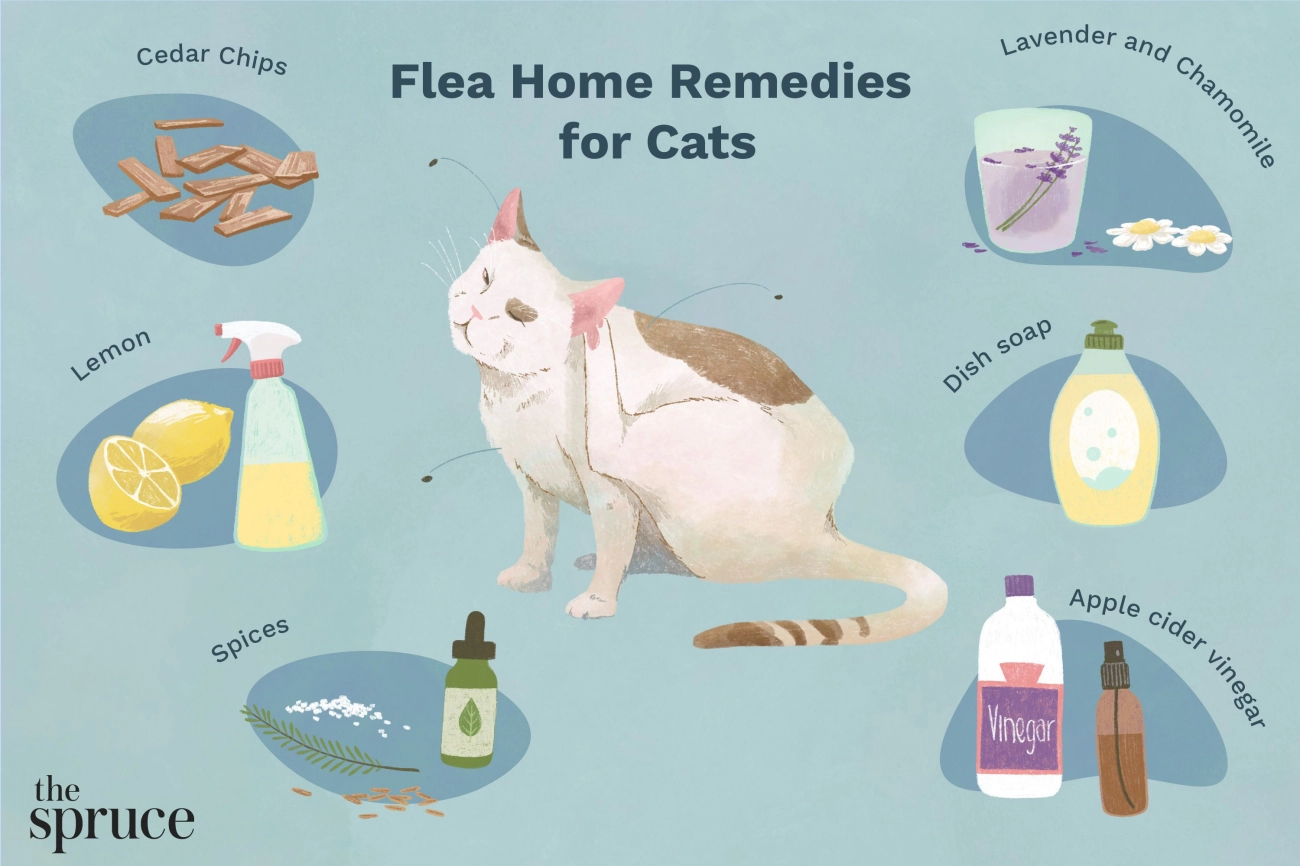
5 Simple Safe Ways to Keep Fleas Away from Your Cat
Discover 5 simple vet-approved ways to keep fleas away from your cat naturally and safely [...]
UK Cat Food Compared: Meat Content, Price, and What to Skip
The cat food aisle at Pets at Home or any UK supermarket looks manageable until [...]