5 Simple Safe Ways to Keep Fleas Away from Your Cat
Use a Vet-Recommended Topical or Oral Flea Preventive
When it comes to keeping fleas off your cat, prevention beats treatment every time. Trust me—once those tiny vampire hitchhikers show up, getting rid of them is a hassle. That’s why starting with a vet-approved flea preventive is your best defense. These products stop fleas before they become a full-blown infestation, saving you and your cat a lot of stress.
Top Vet-Recommended Options for 2026
Here are some of the top flea prevention products trusted by vets this year:
- Revolution Plus: Covers fleas, ticks, ear mites, and even heartworms. Topical and easy to apply.
- Bravecto: Long-lasting oral chew that protects for up to 12 weeks.
- Credelio: Oral tablets that quickly kill fleas and ticks, usually effective for a month.
- Comfortis: Monthly oral chew that kills fleas fast.
Choosing Between Topical, Oral, and Collar Options
How do you pick? It depends on your cat’s lifestyle and preferences.
- Topical treatments are great for cats that won’t eat pills and need monthly protection.
- Oral medications are perfect for picky eaters or cats that like water (some topicals wash off).
- Flea collars have improved a lot and can offer several months of protection, but they’re best combined with other methods for maximum coverage.
Application Tips & Safety Guidelines
- Always follow your vet’s advice and the product instructions exactly.
- Never mix flea preventives unless your vet says it’s safe.
- Apply topical products on a dry, clean spot—usually between the shoulder blades.
- Keep your cat indoors for a few hours after application to let the product dry.
- Avoid using dog flea treatments; they can be toxic to cats.
- If you have multiple pets, treat them all at the same time to prevent flea transfer.
Using a vet-recommended flea preventive is like giving your cat armor against fleas. It’s simple, safe, and sets you up for a flea-free season every year!
Daily or Twice-Weekly Flea Combing Routine
A simple, effective way to keep fleas off your cat is by using a flea comb regularly—daily or at least twice a week. Flea combing helps catch adult fleas before they multiply, breaking the flea life cycle without chemicals.
How to Use a Flea Comb Correctly
- Choose a fine-toothed flea comb designed for cats.
- Comb your cat’s fur gently, especially around the neck, tail base, and belly.
- Start at the head and work your way down in small sections, wiping the comb after each pass.
- Have a bowl of soapy water nearby to dunk any fleas you catch—this is the safest way to kill them.
For an easy-to-follow demonstration, I recommend checking out a video tutorial on proper flea combing techniques—just search “cat flea combing video 2026” for up-to-date guides.
Best Flea Combs in 2026
Look for flea combs with stainless steel teeth, sturdy handles, and close spacing to trap even tiny fleas. Popular choices include the Safari Flea Comb and the Hartz Groomer Flea Comb.
Bonus: Bonding Time
Flea combing isn’t just practical—it’s also a calm, focused time to bond with your cat. Most cats enjoy the gentle grooming, and it helps you keep a closer watch on their skin health as well.
Regular flea combing supports your vet-approved flea prevention routine and helps catch issues early, so it’s a small habit with big benefits. For more on keeping your cat healthy, check out this handy guide on recognising skin problems in cats.
Wash Bedding & Vacuum Like You Mean It
Keeping your cat’s bedding clean is a must for flea prevention. Wash all bedding and washable fabrics in hot water—at least 130°F (54°C)—using a strong detergent. Aim to do this weekly during peak flea season or anytime you suspect fleas. High heat kills fleas, larvae, and eggs effectively.
Vacuum your home regularly, at least 3 times a week if fleas are a problem. Focus on flea hotspots like baseboards, under furniture, carpets, and rugs—fleas love hiding in these cozy dark areas. Be thorough and don’t skip corners. After vacuuming, empty the vacuum bag or canister outside immediately to prevent fleas from escaping back indoors.
Try a simple homemade flea trap to catch any nighttime hitchhikers: place a shallow dish filled with soapy water under a lamp (a desk lamp or nightlight works great). The light attracts fleas, and when they jump toward it, they fall into the soapy water and can’t escape.
This regular washing and vacuuming combo makes your home a hostile place for fleas, cutting down the chance they’ll settle on your cat. For tips on routine care and preventing flea-related health issues, check out how to keep your cat healthy and happy.
Natural Repellents That Actually Work
If you prefer to keep fleas off your cat without harsh chemicals, there are natural repellents that really work and are safe when used correctly.
Cat-Safe Essential Oils
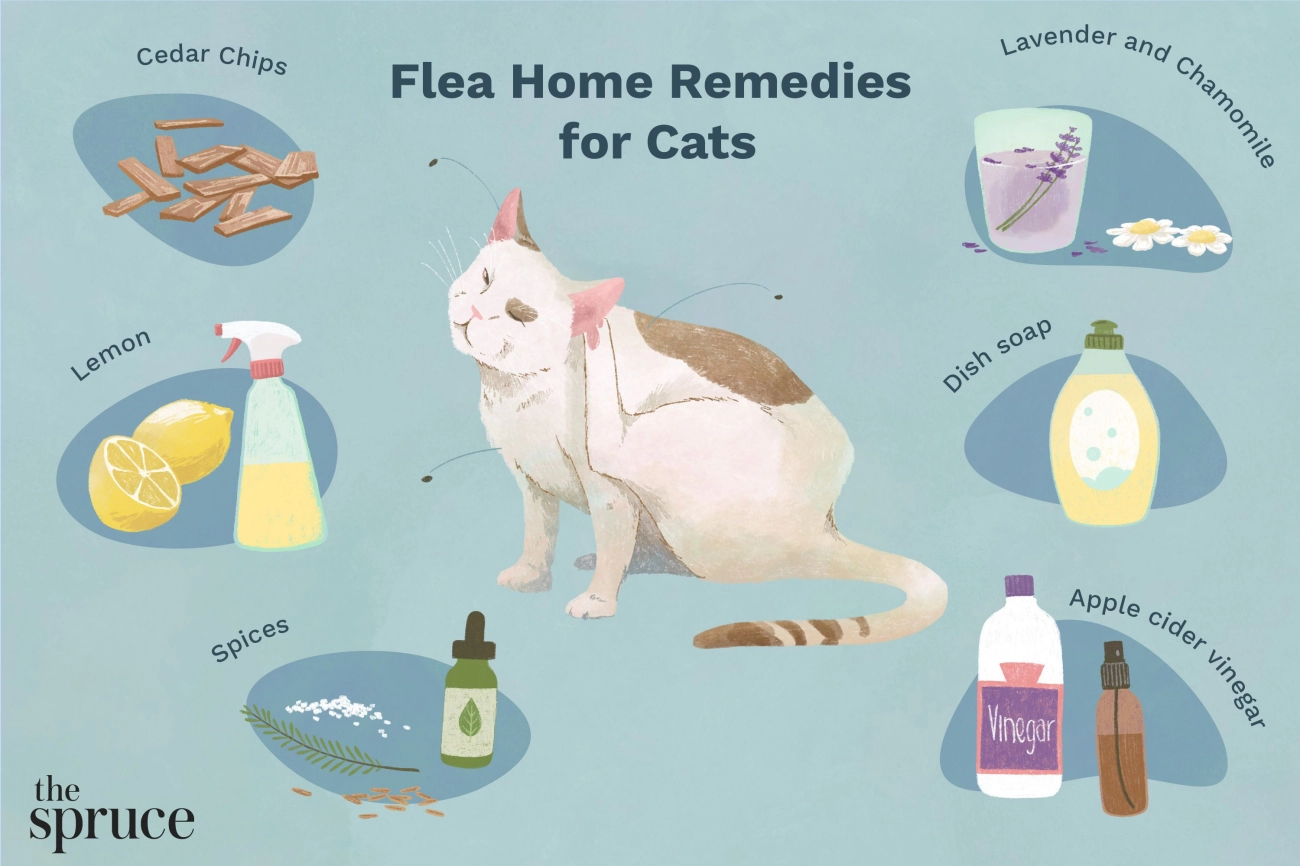
Some essential oils can repel fleas effectively, but only a few are safe for cats. Cedarwood, lemongrass, and lavender are your best bets. Always dilute oils properly—about 1-2 drops of essential oil per tablespoon of carrier oil (like coconut oil) or water for sprays. Never apply oils directly onto your cat’s skin without dilution.
Important: Avoid toxic oils like tea tree, pennyroyal, eucalyptus, and cinnamon—they can cause serious harm to cats.
Food-Grade Diatomaceous Earth
Diatomaceous earth (DE) is a natural powder made from fossilized algae that kills fleas by drying them out. Use only food-grade diatomaceous earth, never the industrial grade. Lightly dust your cat’s bedding, carpets, and favorite hangouts—just avoid applying directly to your cat’s fur to prevent irritation. Reapply after vacuuming or cleaning.
Apple Cider Vinegar Spray
Apple cider vinegar (ACV) works both internally and externally to repel fleas. Mix a spray with:
- 1 part apple cider vinegar
- 1 part water
Spray lightly onto your cat’s coat—but not near eyes or open wounds. You can also add a teaspoon of raw, unfiltered ACV to your cat’s drinking water after consulting your vet. This helps make your cat less attractive to fleas from the inside out.
Using these natural flea repellents can be a gentle, effective way to prevent fleas—just stick to safe ingredients and always keep your cat’s health in mind. For more on vet-approved flea prevention, check out our guide on why use monthly flea treatment.
Keep Your Home & Yard Flea-Unfriendly
Making your home and yard unpleasant for fleas is a smart way to keep them away from your cat. Start indoors by adding flea-repelling plants like rosemary, mint, and other natural herbs. These plants not only freshen up your space but also discourage fleas from settling in.
For your yard, consider using nematodes—tiny, beneficial worms that naturally control flea larvae by feeding on them. They’re an eco-friendly option and safe for pets and people. Another great outdoor defense is cedar mulch around garden beds or walkways, which repels fleas. You can also spray cedar oil as a natural flea deterrent, but make sure to use pet-safe products specifically designed for outdoor use.
Lastly, keeping wildlife like stray cats, opossums, and raccoons away from your property helps reduce the chance of fleas hitching a ride indoors. Secure trash cans, close off access points under decks, and minimize food sources. Together, these steps create a yard and home environment that fleas want to avoid, protecting your cat all year round.
What to Do If Your Cat Already Has Fleas (Emergency Steps)
If your cat already has fleas, don’t panic, but act quickly to prevent the infestation from worsening.
How to Safely Give a Flea Bath (Dawn Dish Soap Method)
A flea bath can help remove fleas fast. Use plain Dawn dish soap—a gentle option that breaks down flea oils without harsh chemicals. Here’s how to do it safely:
- Use lukewarm water and a small amount of Dawn soap.
- Wet your cat thoroughly, avoiding eyes and ears.
- Gently lather with the soap, focusing on flea hotspots like the neck and tail base.
- Leave the soap on for 3–5 minutes, then rinse thoroughly.
- Dry your cat well with a towel and keep them indoors until fully dry.
Remember, this is a short-term fix and should be combined with vet-approved flea prevention afterward.
Treating Your Home During an Infestation
Fleas don’t just stay on your cat—they’ll hide in carpets, bedding, and furniture. To break their life cycle:
- Wash all pet bedding and your cat’s favorite blankets in hot water (at least 60°C/140°F) weekly.
- Vacuum carpets, baseboards, and under furniture daily for a week, then regularly after. Dispose of vacuum bags or empty canisters immediately.
- Use flea sprays or powders safe for indoor use, following label instructions carefully.
- Consider the “flea trap” method by placing a lamp over a shallow dish of soapy water at night—the light attracts fleas, and they drown.
When to Call the Vet Immediately
If your cat shows signs of flea allergy dermatitis (severe itching, red skin, hair loss) or if flea treatment attempts cause adverse reactions, call your vet. Also, seek urgent help if your cat is very young, old, or has other health problems, as fleas can cause anemia quickly in these cases. Your vet can prescribe effective treatments and provide advice tailored to your cat’s needs.
For more on how to get rid of fleas on cats naturally and safely, check our detailed guide on how to get rid of fleas on cats.
Yearly Flea Prevention Calendar for Cat Owners
Keeping fleas off your cat year-round means staying ahead with a simple monthly plan. Flea activity peaks during warm months, but depending on where you live, the timing can shift. Here’s a quick month-by-month checklist to keep your cat protected:
- January to March: Cold months in many regions—but indoor cats can still pick up fleas. Keep applying vet-approved flea preventives regularly, especially if your cat goes outside or if you have other pets.
- April to June: Flea season kicks off as temperatures rise. Increase flea combing to twice a week and wash bedding more often.
- July to September: Peak flea season in most areas. This is when consistent topical or oral flea treatments like Revolution Plus or Bravecto are a must.
- October to December: Fleas slow down but don’t disappear. Continue monthly preventives and keep vacuuming regularly.
Key reminder: Treat all pets in your household at the same time, even indoor ones. Fleas can easily jump between animals, making one untreated pet a source of infestation.
For a smooth year-round flea prevention routine, keeping up with this calendar helps you protect your cat effectively through every season. For more insights on cat care routines, check out our detailed guides on cat behavior and bonding.
Related Post

Caring for a Senior Cat or Dog
We all want our pets to live a long and happy life. As with us, [...]
Recognising Skin Problems in Your Cat or Dog
A thick glossy coat is an outward sign of a healthy well cared for pet. [...]