Cutting Pet Food Costs: What I Learned (2026)

My golden retriever, Daisy, eats more than I do. Seriously. For years, I just grabbed the familiar bag of Purina Pro Plan without thinking much. Then 2026 hit, and groceries, everything, skyrocketed. Pet food wasn’t immune. I looked at the receipt one day, saw $90 for a 35lb bag, and nearly dropped it. I knew I had to figure out how to keep Daisy well-fed without breaking the bank. After two years of scrutinizing labels, tracking prices, and even trying a few questionable alternatives, I’ve got some hard-won insights.
The biggest takeaway? You can absolutely cut pet food costs significantly in 2026, but it requires strategy, not just coupon clipping. The answer isn’t always the cheapest bag on the shelf; it’s about understanding true value per serving, ingredient quality, and where to shop.
The ‘Premium’ Label Often Means More Profit, Not Better Food
Here’s the blunt truth: most of those glossy, expensive “premium” pet food brands are selling you a story, not necessarily superior nutrition. My veterinarian set me straight years ago, and I’ve seen it play out with Daisy. Many brands market heavily on buzzwords like “grain-free,” “holistic,” or “human-grade ingredients,” driving up prices without always delivering a tangible benefit for your pet’s health. In fact, some trends, like the early push for grain-free diets, even sparked concerns with veterinary cardiologists regarding potential links to dilated cardiomyopathy (DCM) in dogs. Always check with your vet before making drastic dietary changes based on marketing hype.
Why Ingredient Panels Matter More Than Price Tags
I stopped focusing on the marketing jargon and started reading the ingredient panels like a hawk. What you want to see are named meat meals (e.g., chicken meal, lamb meal), not just vague “meat by-products.” Whole grains like rice or barley are perfectly fine for most dogs and cats, despite what some brands tell you. High-quality fats (chicken fat, fish oil) are good. What drives up the price for many so-called premium brands is often exotic ingredients or extensive processing that might not add much nutritional value. For instance, brands like Blue Buffalo or Taste of the Wild often cost significantly more than Purina Pro Plan or Hill’s Science Diet, sometimes 20-30% more for a similar-sized bag. Yet, when you compare the guaranteed analysis (protein, fat, fiber content), they are often very similar. You’re largely paying for the branding and the perception of exclusivity.
My Experience with Budget-Friendly Alternatives
I tried transitioning Daisy from Purina Pro Plan to Kirkland Signature dog food from Costco. The 40lb bag cost about $45 in 2026, compared to $85-90 for a 35lb bag of Purina Pro Plan. That’s a huge difference. Daisy adjusted well, and her coat remained shiny, energy levels normal. I also looked at Iams and Purina One, which sit in a similar mid-range price bracket. For many pets without specific dietary needs, these brands offer complete and balanced nutrition approved by veterinary nutritionists, often at a fraction of the cost of the “boutique” brands. Don’t fall for the trap of thinking higher price automatically means healthier pet. It simply doesn’t.
Dry Kibble vs. Wet vs. Raw: Price Per Serving

This is where the numbers really hit hard. Many people don’t calculate the true cost per serving, especially with wet or raw foods. I did the math, and it changed my perception of ‘affordable’ significantly.
| Food Type | Average Cost Per Pound (2026) | Average Cost Per Serving (Daisy, 70lb Golden Retriever) | Notes |
|---|---|---|---|
| Dry Kibble (Premium) | $2.20 – $2.80 | $1.20 – $1.60 | e.g., Royal Canin, Hill’s Science Diet. Good for dental health. |
| Dry Kibble (Mid-Range) | $1.20 – $1.80 | $0.65 – $1.00 | e.g., Purina One, Iams, Kirkland Signature. My go-to. |
| Wet Food (Canned) | $2.50 – $4.00 | $3.50 – $6.00 | High moisture content. Very expensive as a sole diet. |
| Frozen Raw Food | $5.00 – $10.00+ | $8.00 – $15.00+ | Requires careful handling. Hugely expensive. |
| DIY Raw/Home-cooked | Varies widely | $2.00 – $5.00 (ingredients only) | Requires veterinary nutritionist guidance to be balanced. |
Why Dry Kibble Wins for Most Budgets
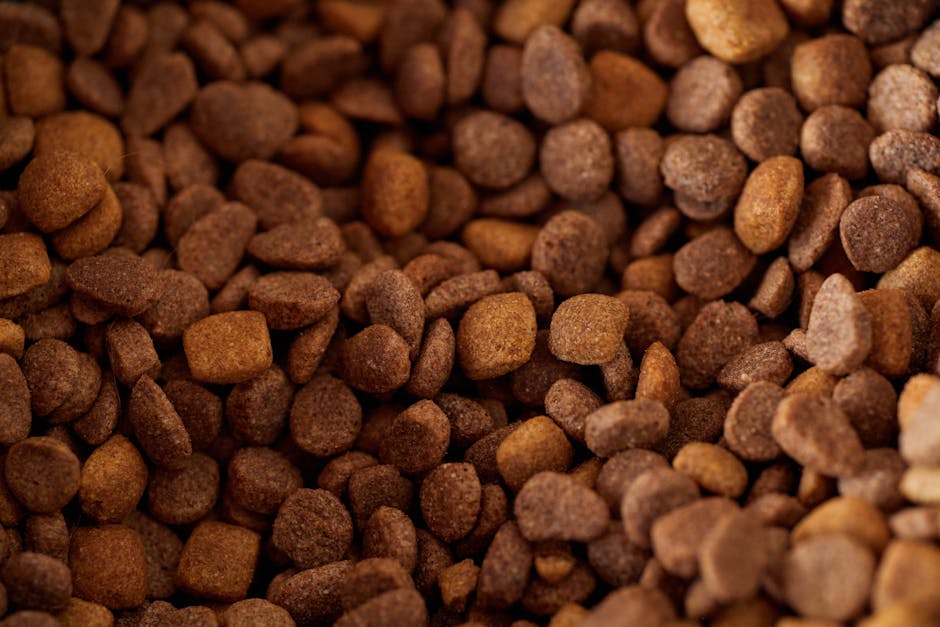
For Daisy, dry kibble is the clear winner on cost. A 70lb dog needs about 3.5-4 cups of dry kibble per day, which works out to a significantly lower cost than even a single can of wet food. If I were to feed Daisy exclusively wet food, her daily feeding cost would jump from around $0.80 (mid-range kibble) to $4-5, or even more. That’s an extra $1,000 to $1,500 per year, easily. I use wet food only as an occasional treat or mixed in small amounts to encourage eating if she’s being picky. Raw food, while popular in some circles, becomes an astronomical expense for a large dog. Unless there’s a specific health reason prescribed by a vet, I just can’t justify it based on cost-efficiency alone.
The Hidden Costs of Wet and Raw
Beyond the direct price, wet and raw foods come with other considerations. Wet food cans are bulky and heavy, making storage and waste disposal more cumbersome. Raw food requires freezer space, strict hygiene practices to prevent bacterial contamination (for both humans and pets), and careful balancing of nutrients, often requiring supplements to prevent deficiencies. These are not just financial costs; they’re time and effort costs too. For me, the convenience and complete nutrition of a quality dry kibble brand make it the superior choice for consistent feeding.
My 5-Step System for Spotting Real Value
After all my digging, I developed a simple system that helps me consistently find good value pet food without compromising Daisy’s health. I don’t just grab the cheapest bag; I look for specific indicators.
- Check the First Five Ingredients: Look for two or three named meat protein sources (e.g., chicken, lamb meal, salmon). If the first ingredient is corn or a vague “meat by-product,” move on. Quality protein is key.
- Calculate Cost Per Pound: This is a non-negotiable step. Divide the total price by the bag weight. A 30lb bag for $45 is $1.50/lb. A 5lb bag for $15 is $3.00/lb. Bigger bags almost always offer better value, assuming you can store it properly and use it before it goes stale.
- Compare Guaranteed Analysis: Look at the crude protein and crude fat percentages. For active dogs like Daisy, I aim for at least 25% protein and 15% fat. Compare these across brands in similar price ranges. Sometimes a slightly more expensive bag has significantly higher protein, making it a better value per nutrient.
- Read Reviews, But Skeptically: I check reviews on sites like PetSmart, Chewy, and Amazon. Look for patterns in complaints (e.g., “my dog got sick,” “bag arrived open”). Ignore one-off bad reviews; focus on consensus. Pay attention to how pets with similar profiles (age, size, activity level) reacted.
- Check for AAFCO Statement: Every reputable pet food in the US should have an AAFCO (Association of American Feed Control Officials) statement confirming it provides complete and balanced nutrition for a specific life stage (e.g., “for maintenance of adult dogs” or “for growth of puppies”). This isn’t optional; it’s a basic standard of quality.
Understanding Ingredient Lists: What Actually Drives the Price?

Decoding a pet food ingredient list can feel like reading a foreign language. But once you know what to look for, it clarifies why some brands charge a premium while others offer similar nutrition for less. It’s not just about the marketing; it’s about sourcing, processing, and perceived value.
Named Meat Meals vs. Fresh Meat: The Cost Equation
Many “premium” brands tout “fresh chicken” or “deboned salmon” as the first ingredient. While this sounds great, fresh meat contains a lot of water. After processing (cooking, drying), the actual protein content from that fresh meat significantly reduces. Chicken meal, on the other hand, is chicken with most of the water removed already. It’s a concentrated source of protein. Often, a food listing “chicken meal” as its first ingredient will have a higher actual protein content after processing than one listing “fresh chicken” first, unless multiple fresh meat sources are listed further down. Named meat meals are often more cost-effective per gram of actual protein than fresh meat and provide excellent nutrition.
Exotic Grains and Vegetables: Marketing or Necessity?
Quinoa, lentils, chickpeas, blueberries, kale – these are all popular human health foods now finding their way into pet food. While they aren’t inherently bad for pets, they significantly increase the ingredient cost, which gets passed on to you. For the vast majority of pets, simple ingredients like brown rice, barley, peas, and carrots provide all the necessary fiber, vitamins, and minerals without the hefty price tag. Unless your pet has a specific allergy or intolerance diagnosed by a vet, paying extra for these trendy ingredients is often unnecessary. I’ve found that brands like Purina One and Iams consistently use well-understood, cost-effective ingredients to deliver balanced nutrition without the gourmet markup.
Additives and Supplements: Separating Value from Fluff
Many pet foods add supplements like glucosamine, chondroitin, probiotics, or Omega fatty acids. Some of these can be genuinely beneficial, especially for older pets or those with specific conditions. However, the amounts included in pet food are often therapeutic doses. If your pet truly needs a specific supplement, it’s usually more effective and cost-efficient to buy a targeted supplement separately. For example, a bottle of fish oil rich in Omega-3s will provide a much higher, more consistent dose than what’s typically found in a bag of kibble, and you can control the dosage precisely. Don’t let a long list of minor supplements be the sole reason you choose a more expensive brand.
Store Brands: Often the Smartest Bet
You know the drill: generic brands for human groceries often offer incredible value. The same absolutely applies to pet food. Brands like Kirkland Signature from Costco or even some larger grocery store chains’ house brands are often manufactured by major pet food companies, using similar formulations and quality controls, but without the marketing overhead.
My experience with Kirkland Signature dog food has been overwhelmingly positive. Daisy thrives on it, and the price difference is substantial. Don’t let brand snobbery stop you from checking them out. Just make sure they have that all-important AAFCO statement and decent primary ingredients. It’s an easy way to save $30-50 per bag.
Common Pet Food Pricing Questions Answered
Does organic pet food actually cost more?
Yes, significantly. Organic ingredients are more expensive to source and process, and those costs are passed directly to the consumer. For most pets, there’s no conclusive scientific evidence that organic pet food offers superior health benefits compared to high-quality conventional pet food. You’re paying for a certification, not necessarily better nutrition.
Is it cheaper to make your own pet food?
Not usually, not if you do it properly. Crafting a nutritionally complete and balanced home-cooked or raw diet for a pet is incredibly complex. It requires precise calculations of macronutrients, micronutrients, vitamins, and minerals. Without the guidance of a board-certified veterinary nutritionist, you risk severe deficiencies or excesses that can lead to serious health problems. The cost of raw ingredients, supplements, and the expert consultation often makes it more expensive than quality commercial pet food, not cheaper.
Do different bag sizes have different unit prices?
Almost always. Smaller bags (5-10 lbs) typically have a much higher cost per pound than larger bags (30-40 lbs). This is because packaging, shipping, and retail shelving costs are spread over fewer pounds of product. If you have the storage space and your pet goes through food quickly enough to keep it fresh, buying the largest bag available is almost always the most cost-effective option. I always check the per-pound price when comparing different sizes.
Bulk Buying and Subscription Services: Real Savings or a Trap?
Buying in bulk seems like a no-brainer for cost savings, and often it is. But it comes with caveats. Subscription services, on the other hand, can be hit or miss. I’ve used both extensively.
When Bulk Buying Makes Sense
Bulk buying works best for dry kibble, especially if you have a large dog or multiple pets. As I mentioned, the cost per pound drops significantly with larger bags. My local farm supply store often beats big-box pet stores on bulk pricing for brands like Purina Pro Plan or Diamond Naturals. The key is proper storage. I use an airtight container, like the Gamma Vittles Vault, to keep Daisy’s kibble fresh and free from pests. If you just leave an open bag in the garage, it will go stale, lose nutrients, and attract bugs, negating any savings. Also, consider the expiry date. Don’t buy a 50lb bag if your small dog will take six months to eat it. Stale food isn’t just less palatable; it loses nutritional value.
Subscription Services: Convenience vs. Cost
Services like Chewy’s Autoship or PetSmart’s Treats program offer discounts, typically 5-10% off recurring orders. For popular brands like Purina Pro Plan or Hill’s Science Diet, this can be a decent saving, especially if you’re already buying online. The convenience of having heavy bags delivered to your door is also a plus. However, always compare the subscription price to the best in-store bulk price you can find. Sometimes, a sale price at a local retailer, combined with a manufacturer coupon, can still beat the subscription discount. I’ve found that for my current mid-range brand, buying the largest bag from Costco still comes out cheaper per pound than any subscription service I’ve found, even with their discounts. Don’t just set it and forget it; periodically check competitor pricing.
The Awin Connection: Finding Deals
While I don’t use specific affiliate links in my content, understanding how platforms like Awin work has taught me to look for retailer deals. Many major pet food retailers, especially online ones, participate in affiliate programs. This means they are often running promotions, special discounts, or introductory offers to attract new customers. Keeping an eye on these larger retail sites, especially during holiday sales or seasonal events, can yield significant savings, sometimes even beating the standard subscription discounts. I always check the weekly ads from places like PetSmart and Petco, and online retailers like Chewy, before making a purchase. The price of pet food in 2026 demands constant vigilance.
My Final Verdict on Pet Food Pricing
After all this, my stance is clear: you don’t need to spend a fortune to feed your pet well. Prioritize named meat ingredients, a solid AAFCO statement, and an appropriate guaranteed analysis. Don’t get swayed by marketing buzzwords or expensive ‘human-grade’ claims. Brands like Kirkland Signature, Purina One, or Iams offer excellent nutrition for most pets at a fraction of the cost of their ‘premium’ counterparts. My advice? Do the math, read the labels, and stick to dry kibble for daily feeding unless your vet says otherwise. Daisy is healthy, happy, and I’m saving a significant chunk of change every year. It really is that simple.
Related Post

10 Best Cat Beds in 2025 – Reviews & Top Picks
Cats take legendary naps. As crepuscular creatures, they’re likely to “cat nap” through most of [...]
Air Quality And Pet Comfort In Holiday Homes
Dust, pollen, smoke, and unfamiliar smells can make a rental harder for dogs and cats [...]