Best Cat Litter Australia: The Australian Cat Owner’s Guide to Choosing Cat Litter That Works
I travel a lot. Between weekend trips and longer stints away, I need cat care that holds up without daily attention. After years of testing nearly everything stocked at Petbarn, PetStock, and the major supermarkets, I have strong opinions about what actually performs — and what’s wasting your money.
The 5 Cat Litter Types Sold in Australia — One Table to Clear the Confusion
Before you pick a brand, you need to pick a category. The type of litter matters far more than which specific brand you land on within it. Here is the full picture of what is actually available in Australian stores:
| Type | Australian Examples | Clumps? | Dust Level | Approx AU Price | Best For |
|---|---|---|---|---|---|
| Clumping clay | Catsan Clumping, Fresh Step, Tidy Cats | Yes | Medium–high | $15–$30 / 7–10kg | Multi-cat households, easy daily scooping |
| Silica crystals | Catsan Crystals, PetSafe ScoopFree | No (absorbs) | Very low | $20–$35 / 3.8kg | Single cats, minimal weekly effort |
| Paper/recycled pellets | Breeders Choice, Breederpack | No (absorbs) | Near zero | $15–$25 / 10L | Kittens, post-surgery recovery cats |
| Wood/pine pellets | OzPet, Feline Fresh | No | Very low | $15–$20 / 10kg | Eco-conscious buyers, tightest budget |
| Plant-based clumping | World’s Best Cat Litter, Rufus & Coco Wee Kitty | Yes | Low | $20–$40 / 6–8kg | Cats that track litter, flushable option |
Clumping Clay: Why It Dominates the Market — and Where It Falls Short
Clumping clay — the sodium bentonite granules that form solid balls around waste — is what most Australian cat owners use by default. Brands like Catsan Clumping (~$22 for 8kg at Woolworths) and Fresh Step are reliable and widely available. The clumps are firm, easy to scoop, and most cats accept the texture without hesitation.
The downsides are real. Clay litter produces fine silica dust. Pour a fresh bag and you will see the cloud rise. That dust lands in your cat’s lungs and yours. In a multi-cat home, odour control disappears within 24 hours if you skip a scoop. And clay tracks — fine granules end up on floors, furniture, and somehow pillowcases.
One hard rule that many first-time owners miss: do not use clumping clay with kittens under three months old. Kittens groom their paws constantly and can ingest enough bentonite to cause intestinal blockages. Use paper pellets like Breeders Choice until they are old enough to understand not to eat everything they step in.
Plant-Based Clumping: The Upgrade That Earns Its Price
World’s Best Cat Litter (corn-based, ~$34 for 6.35kg at Petbarn) and Rufus & Coco Wee Kitty Corn Litter (~$25 for 4kg at PetStock) are made from whole-kernel corn or similar plant fibres. They clump just as firmly as clay but produce almost no dust. They are also flushable in small amounts — a genuine convenience when you are cleaning a tray mid-trip without access to a bin.
Odour control is measurably better than any budget clay option. The corn naturally neutralises ammonia at the source rather than masking it with fragrance. For a single indoor cat, a 6.35kg bag of World’s Best lasts around five to six weeks with daily scooping. That changes the cost-per-week maths considerably.
When Pellets Are the Smarter Call
Pellet litters — paper, pine, or wood — do not clump. They absorb liquid until they break down into sawdust or wet pulp, which you sift out every couple of days. OzPet pine pellets ($17 for 10kg at PetStock) and Breeders Choice paper pellets ($16 for 10L at Woolworths and most pet stores) are both solid options in this category.
The trade-off is a different workflow rather than a lighter one. You need a two-tray sifting system: intact pellets stay in the top tray, broken-down sawdust falls through. Weekly effort is comparable to clumping setups. The upside is the lowest possible tracking — pellets are too large to stick to paws — and near-zero dust. If your cat scatters fine litter all over your house, switching to pellets fixes that problem immediately.
Why Cheap Supermarket Cat Litter Is a False Economy
The Woolworths Essentials Clay Litter at $8 for 5kg looks like obvious value. It is not. The clumps crumble when you scoop, the dust is genuinely aggressive, and odour control is gone within a day of use. You burn through it roughly twice as fast as a proper brand. At $1.60/kg versus $2.25/kg for Catsan Clumping, the budget option ends up costing more per week once you factor in volume consumed. Spend the extra five dollars once and stop buying it every ten days.
How to Set Up a Litter Box Your Cat Will Not Avoid
Most litter complaints — persistent smell, mess, cats eliminating outside the box — trace back to setup errors, not the litter brand itself. Get these fundamentals right and almost any decent product will perform well.
- Use the right number of boxes. The standard rule is n+1: one box per cat plus one extra. Two cats means three boxes. This reduces territorial stress and competition over access.
- Choose a quiet location away from food. Cats will not use a box placed near their food bowl. A low-traffic corner with two walls behind the box is ideal — the cat feels less exposed mid-use.
- Pour 5–7cm of litter minimum. Most people pour too little. Under that depth the cat cannot dig and bury properly, which triggers avoidance behaviour and faster odour buildup. Silica crystals are the exception — 4cm is sufficient because they work by absorption rather than burial.
- Scoop at least once daily. Twice daily in multi-cat households. A visibly dirty box is the single most common reason cats find alternative locations.
- Do a full clean every two to three weeks. Dump everything, scrub the box with unscented dish soap, let it dry completely, and refill fresh. Never use ammonia-based cleaners — ammonia smells like urine to a cat and can actively discourage use.
- Replace the physical box once a year. Plastic scratches over time and permanently holds odour even after washing. A new $15 box annually is cheap maintenance that solves a lot of persistent smell problems.
Why Box Size Is Probably the Issue You Overlooked
Most commercial litter boxes sold in Australia are undersized. A cat needs roughly 1.5 times its own body length to turn around comfortably inside. Most adult cats exceed what the standard off-the-shelf box provides. The workaround: an IKEA SAMLA 45L storage container ($8–$12) with one short side cut lower makes an excellent oversized litter box. Cut one wall down to about 10cm so the cat can step in without jumping — a jigsaw or heavy-duty scissors on thinner plastic handles this easily. Cats that previously scattered litter over the sides almost always stop when you give them enough space to move normally.
Covered Boxes, Dust, and the Real Trade-Off
High-sided or fully covered boxes reduce scatter significantly for cats that dig aggressively. OzPet and World’s Best Cat Litter both work well in enclosed boxes since neither produces fine dust. Cheap clay in a covered box is a different story — the dust concentrates inside the enclosure and your cat breathes it in concentrated form on every visit. If you want a covered box, use a low-dust litter inside it. That combination alone eliminates most of the sneezing and watery-eye complaints cat owners attribute to allergies.
The Cat Litters Worth Buying in Australia Right Now
The best single cat litter available in Australia right now is World’s Best Cat Litter. That is my clear pick. But at $34 for 6.35kg it is not right for every budget or situation. Here is where each realistic option sits and who it is actually for.
World’s Best Cat Litter — Best Overall (~$34 for 6.35kg, Petbarn)
Corn-based clumping litter with very low dust and firm, easy-to-scoop clumps. Odour control holds for three-plus days without scooping — which matters specifically when you travel and rely on a cat sitter who may not scoop on your schedule. It is flushable in small amounts down a standard toilet, which simplifies cleanup when you are away from a bin. One 6.35kg bag lasts five to six weeks for a single cat with daily scooping.
The one real downside: the coarser corn texture takes some cats longer to accept than clay. Run the 10-day transition process carefully if your cat is particular about texture.
Breeders Choice — Best Budget Option ($15–$18 for 10L, Petbarn/PetStock/Woolworths)
Recycled paper pellets. Essentially dust-free. Absorbs well and costs very little per week. No clumping means you need a sifting tray system, but the ongoing cost is the lowest on this list. It is also the correct choice for kittens under three months and for any cat recovering from paw surgery, where fine particles in wounds are a genuine medical risk. The wet pulp at the bottom of the tray can smell if left beyond two days — sift every other day and it stays clean.
Catsan Crystals — Best for Low-Maintenance Setups (~$28 for 3.8kg, Woolworths/Petbarn)
Silica gel crystals absorb liquid on contact. For a single cat, one full tray lasts around four weeks before replacement. You still need to scoop solids daily, but liquid waste simply disappears into the crystals with no odour. Dust level is near zero. If you have one cat and want the simplest possible weekly routine, this is it. It does not scale well — in multi-cat households the crystals saturate too fast and the economics stop making sense.
OzPet — Best Eco Value ($17 for 10kg, PetStock and online)
Australian-made compressed pine pellets. The best cost-per-kilogram option on this list by a significant margin. Naturally deodorising, compostable, and minimal tracking since pellets are too large to stick to paws. The catch: some cats will not accept the pine scent. There is no way to predict this in advance — if your cat rejects it, you will know within the first two days. If they are indifferent to the smell, OzPet at $17 for 10kg is outstanding value that is hard to beat.
Switching Cat Litters Without Your Cat Staging a Boycott
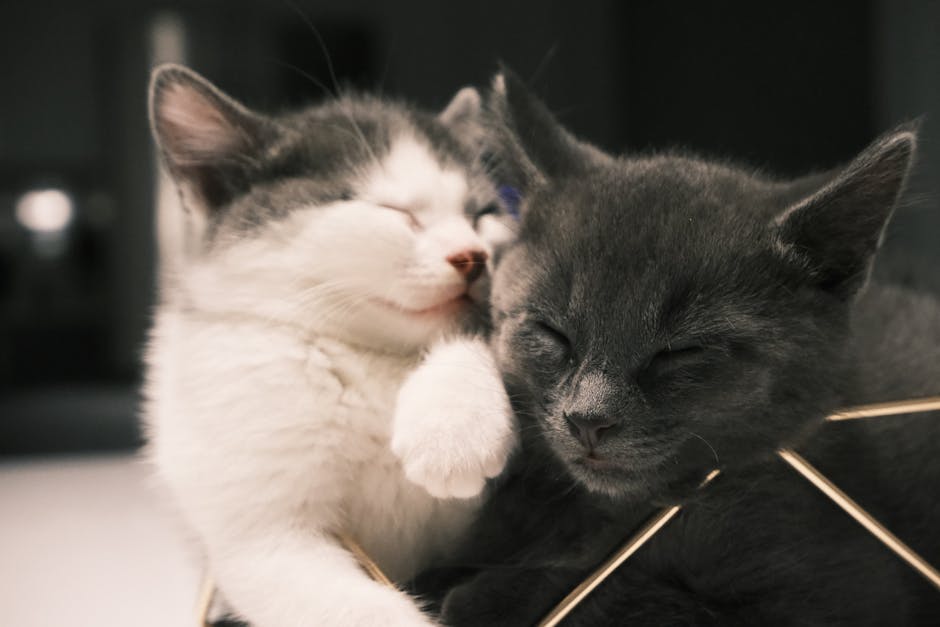
Cats are creatures of habit. Swap their litter overnight and some of them will find a corner of your laundry instead. The transition method is not complicated, but skipping it causes most of the problems people blame on the new litter itself.
How long does a litter transition actually take?
Seven to ten days for most cats. Persians and Bengals are notorious for needing closer to three weeks. The method: start with 25% new litter mixed into the current brand. After three days, move to 50/50. Three more days, switch to 75% new litter and 25% old. Then 100% new. If your cat avoids the box at any stage, step back to the previous ratio for another three days before moving forward again. The process is slow on purpose — the gradual scent shift is what makes it work.
What are the signs that a litter is not working for your cat?
Four clear signals to watch for:
- Elimination happening outside the box — on bathroom floors, in corners, or on soft surfaces
- Pawing at the box rim rather than inside it, which means the cat is trying to avoid touching the litter
- Sneezing or watery eyes near the box — almost always caused by fine clay dust
- Refusing to cover waste, which cats do instinctively when the substrate feels right
If you see two or more of these consistently, the litter type is the problem — not just the brand. Switch categories entirely rather than trying a different product within the same format.
When should you not switch litters?
Do not start a litter transition during a period of existing stress: a new pet arriving, a house move, a recent vet procedure, or a stretch where you will be away with an unfamiliar sitter. A stressed cat is already on edge and far more likely to reject changes to the litter box specifically. Wait until the household is stable, then introduce the new litter. The same transition process takes half the time when nothing else in the cat’s environment is changing at the same time.
For most Australian cat owners, start with Breeders Choice if budget is the priority or you have a kitten under three months. When you are ready to upgrade, World’s Best Cat Litter from Petbarn handles odour better than anything else currently available here — and for anyone who travels regularly, that margin in odour control is the difference between coming home to a neutral-smelling house and immediately knowing you have been away.
Related Post

Schengen Visa Rules Us Citizens 2026: The US Traveler’s Schengen Problem: 90-Day Limits and How to Plan Around Them
Roughly 13 million Americans visited Europe in 2026, and a surprising number of them got [...]
Bali 7-Day Itinerary 2026: The Real Hidden Gems and the Tourist Traps That Waste Your Money
You land at Ngurah Rai International Airport at 2pm. By 4pm you’re stuck in a [...]