Dog Calm Treats Before a Trip: A Practical Routine That Helps

Some dogs do not fall apart dramatically when travel plans change. They just become harder to live with for a day. They pace by the door, bark at ordinary sounds, refuse to settle in the car, or stare at you as if every packed bag is a personal betrayal.
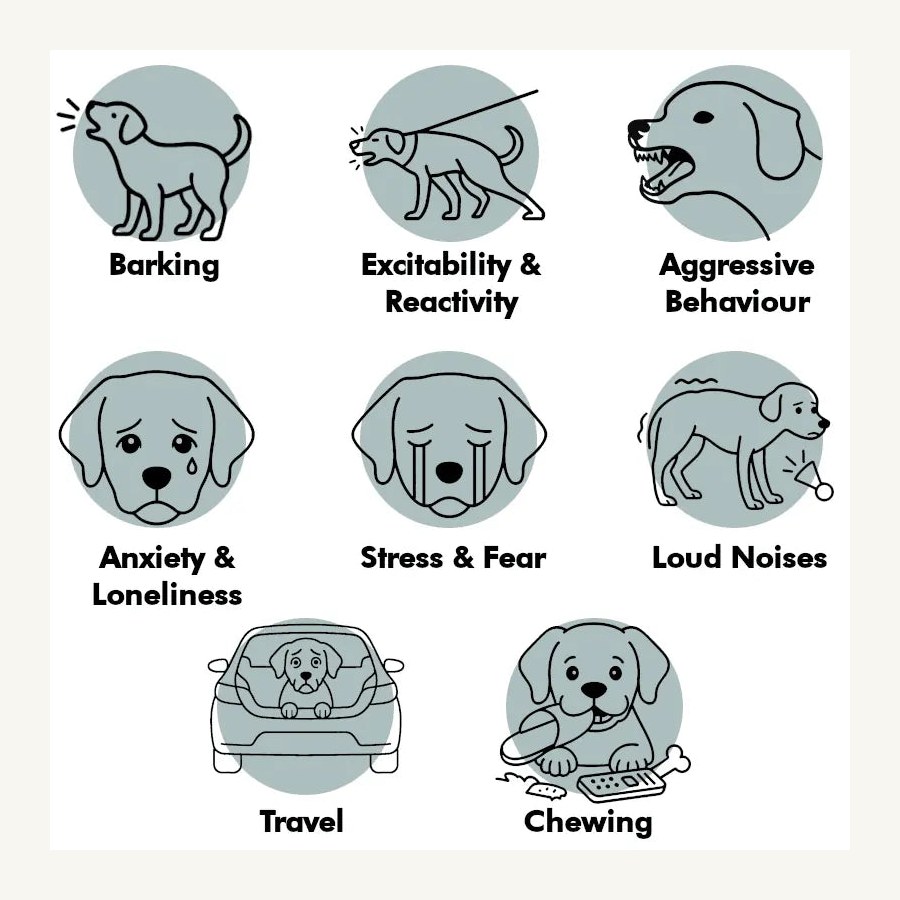
That is the dog owner Pets Calm Down seems to be speaking to: not the owner looking for a heavy sedative, but the one trying to make normal life less frantic. Its “Calm The Eff Down” dog treats are sold as natural calming treats, with the brand leaning into everyday problems such as barking, reactivity, anxiety, loneliness, loud noises, stress, and fear. For pet-friendly holidays, that makes the product interesting because the problem is rarely just the journey. It is the build-up before the journey and the first few hours after arriving somewhere new.
Use Calm Treats as Part of a Routine
The mistake is treating any calming product like a switch. Give the treat, expect instant peace, then decide it does not work if the dog still notices the suitcase. A better approach is to build a small routine around it: same quiet room, same mat or blanket, same chew, same timing before departure. The treat becomes one cue in a chain of cues telling the dog that nothing strange is required from them.
For travel, test the routine on an ordinary day first. Give the treat when there is no pressure, then do a short car sit, a five-minute drive, or a calm visit to a friend. If you only try it on the morning of a four-hour journey, you are asking too much from both the product and the dog.
The Travel Problems It May Suit
These treats make most sense for dogs who are alert, excitable, or mildly unsettled rather than medically distressed. A dog who barks at every service station sound, cannot stop scanning a new room, or takes a long time to lie down after arrival may benefit from a calmer pre-trip pattern. A dog with severe separation anxiety, panic in the car, or aggression around strangers needs a trainer or vet-led plan as well.
| Situation | Practical use |
|---|---|
| Before a car journey | Use with a toilet break, water, and a familiar blanket. |
| First evening in a cottage | Keep the dog in one calm area before exploring the whole place. |
| Fireworks or loud resort noise | Pair with closed curtains, background sound, and a safe resting spot. |
| Short periods alone | Practise at home first; do not start with holiday separation. |
What I Would Check Before Buying
Read the ingredient list carefully if your dog has allergies or a sensitive stomach. Calming treats are still treats, and a calm dog with an upset stomach is not a travel win. Check the serving guidance for your dog’s weight, especially if you have a small breed. If your dog is pregnant, elderly, on medication, or under veterinary care, ask your vet before adding a calming supplement.
The packaging and tone are playful, but the use case should stay practical. This is not a replacement for training. It is a possible support for dogs who already have a manageable baseline and need a little help settling during predictable stressful moments.

A Calm-Trip Checklist
- Test the treat on a normal day before using it for travel.
- Keep feeding, walking, and toilet timing as normal as possible.
- Bring one familiar bed, blanket, or mat that already smells like home.
- Choose a quiet arrival window instead of walking straight into the busiest part of the day.
- Do not leave a nervous dog alone in a new place until they have practised short, calm separations.
The Honest Bottom Line
Pets Calm Down is most useful when it is part of a repeatable plan. Give the dog fewer surprises, make the first hour of the trip boring on purpose, and use calming treats as one support rather than the whole strategy. That is how you get a better chance of a dog who can rest while you unpack instead of supervising every zip, door, and hallway noise.
Related Post

Best Bird Cage Brands: Bird Cage Brands That Are Actually Worth Buying
A budgie placed in a cage with zinc-coated bars can develop heavy metal toxicity within [...]
Booking Affordable Pet-Friendly Flights And Stays In 2026
Cheap travel advice changes when a dog or cat is coming too, because flexibility, luggage [...]