Fish Tank Setup Price: What a 10-Gallon Aquarium Actually Costs
You walk into a pet store, see a 10-gallon tank kit for $39.99, and think: “That’s cheap. I can do this.” Three weeks later, your fish are gasping at the surface, the water is cloudy, and you’ve spent $280. The $39.99 kit didn’t include a filter that actually works, a heater that holds temperature, or a test kit you absolutely need.
I’ve seen this pattern in hundreds of aquarium forums and consumer complaints. The fish tank setup price that most people quote is the price of the glass box. The real cost is everything inside it. This article breaks down the actual cost of a stable, low-maintenance 10-gallon freshwater tank using 2026 retail prices. No fluff. Just the numbers.
Breaking Down the Fish Tank Setup Price: Equipment List
Below is the equipment you actually need for a healthy 10-gallon freshwater tank. These are not luxury upgrades. This is the minimum viable setup that keeps fish alive and water clear. Prices are from major US retailers (Petco, Amazon, Chewy) as of early 2026.
| Item | Brand / Model | Price (USD) | Why It Matters |
|---|---|---|---|
| Tank + Lid | Aqueon 10-Gallon Standard Kit | $39.99 | Comes with glass tank, hood, and basic LED light |
| Filter | Fluval C2 Power Filter | $44.99 | Handles 20 gal/hr; replace the cartridge-style that comes with kits |
| Heater | Hygger 100W Adjustable Heater | $19.99 | Maintains 78°F stable; built-in thermostat |
| Thermometer | NICREW LCD Digital Thermometer | $6.99 | Sticks outside the glass; accurate within 1°F |
| Substrate | CaribSea Super Naturals Sand (10 lb) | $17.99 | 1-2 inch layer; inert sand is easiest to clean |
| Water Conditioner | API Stress Coat (16 oz) | $8.49 | Removes chlorine and chloramines; adds slime coat |
| Test Kit | API Freshwater Master Test Kit | $29.99 | Liquid tests for ammonia, nitrite, nitrate, pH. 800 tests |
| Gravel Vacuum | Python Pro Clean Gravel Vacuum | $14.99 | Cleans substrate without removing water |
| Bucket | Home Depot 5-Gallon Bucket | $3.98 | Dedicated water change bucket. Never use soap |
| Decor (2 plants + 1 hide) | Marineland Silk Plants + Coconut Cave | $22.00 | Silk plants won’t rot; cave provides hiding spot |
| Total | $209.40 | No fish. No food. No electricity cost. |
That’s $209.40 before you add a single fish. The $39.99 kit tricked you. You need to budget at least $200 for a 10-gallon tank that doesn’t kill its inhabitants within 30 days.
Hidden Costs That First-Time Buyers Miss
Three costs catch people off guard. First: the nitrogen cycle wait period. A new tank needs 4-6 weeks to grow beneficial bacteria before it can support fish. During that time, you’ll do partial water changes every 2-3 days. That means you use water conditioner and test kit reagents faster than expected. Budget an extra $15 for replacement test liquid and conditioner.
Second: electricity. A 100W heater running 24/7 in a 68°F room costs about $6-8 per month. A filter running continuously adds $2-3. Over a year, that’s $100-130 in electricity. Not a deal-breaker, but it’s real money.
Third: fish mortality. Beginner fish die. That’s not cynical, it’s statistical. Expect to lose 2-3 fish in the first two months from stress or uncycled water. A school of 6 neon tetras costs $12. If you lose half, that’s $6. Not catastrophic, but it adds to the effective cost of “getting started.”
When a Kit Makes Sense and When It Doesn’t
The $40-60 “starter kits” (Top Fin, Aqueon, Tetra) are not scams. They’re just incomplete. The filter that comes with most kits uses disposable cartridges that cost $8 every 4 weeks. After one year, you’ve spent $96 on cartridges alone. A Fluval C2 with reusable media costs $15 per year in replacement foam.
Buy the kit if you want the glass, lid, and basic light for one low price. Then immediately replace the filter with a quality hang-on-back unit. Skip the kit if you want a rimless tank or a specific size. Buy the tank separately ($30 for a bare 10-gallon) and build from there.
My recommendation: buy the Aqueon 10-gallon kit for $39.99 (for the tank and lid), toss the cartridge filter, and install a Fluval C2 ($44.99). That gives you a sturdy tank with a reliable filter for $84.98 — cheaper than buying the tank and lid separately.
How to Cut the Fish Tank Setup Price by 30%
You can shave about $60 off the $209 total without sacrificing fish health. Here’s where to cut:
- Skip the name-brand substrate. Play sand from a hardware store ($5 for 50 lb) works perfectly. Wash it thoroughly first. That saves $12.
- Use a sponge filter instead of a power filter. A Hygger double sponge filter ($8.99) plus a USB air pump ($12.99) costs $21.98 total, versus $44.99 for the Fluval C2. Sponge filters are quieter and safer for fry. Save $23.
- Buy decor secondhand. Check Facebook Marketplace or local aquarium club classifieds. Silk plants and ceramic hides are easy to sterilize with a 10% bleach soak. Expect to pay $10 for a bundle that would cost $25 new.
- Use a glass thermometer ($2.99) instead of digital ($6.99). Save $4.
Total with these cuts: about $149. Still not $39.99, but much closer to a realistic entry point. The test kit and heater are non-negotiable. Do not skip those.
Failure Modes: What Goes Wrong and Why
Three mistakes kill more fish than any disease. Overstocking is the most common. New owners see a 10-gallon tank and think they can keep 10 fish. The rule is 1 inch of adult fish per gallon. A 10-gallon tank can hold 8-10 inches of fish total. That’s 5 neon tetras (1.5 inches each) plus 2 corydoras catfish (2 inches each). That’s it.
Skipping the nitrogen cycle is the second killer. Adding fish on day one without waiting for bacteria to grow guarantees ammonia spikes. Test your water every 3 days. When ammonia drops to 0 and nitrite drops to 0, the tank is cycled. That takes 4-6 weeks. Use bottled bacteria (FritzZyme 7, $12.99) to speed it to 2-3 weeks.
Overfeeding is the third. Uneaten food rots into ammonia. Feed only what the fish can eat in 60 seconds. Once per day. If you see food sinking to the bottom, you’re feeding too much.
Alternatives to a 10-Gallon Freshwater Tank
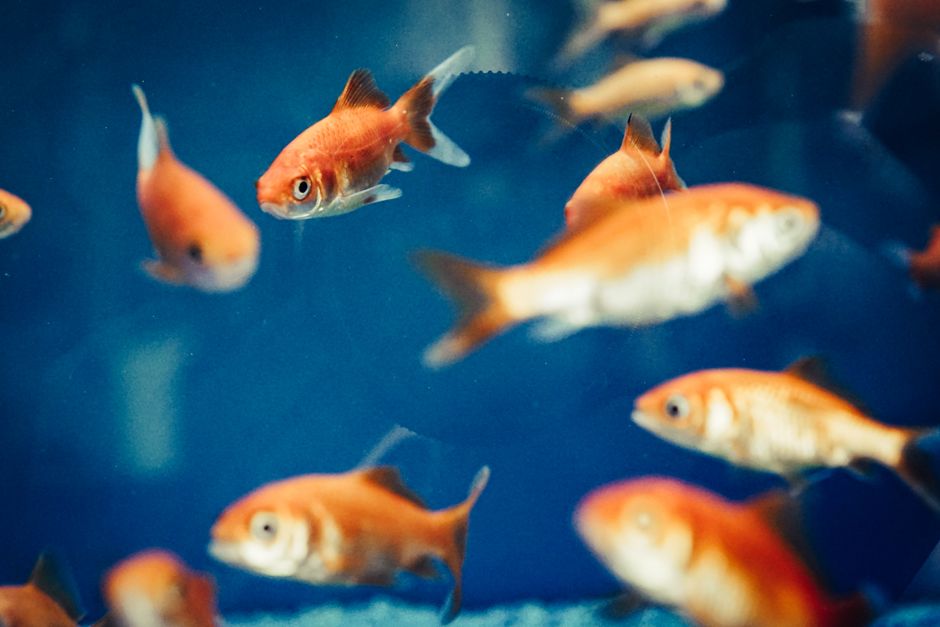
A 10-gallon tank is not the right choice for everyone. If you travel frequently (more than one week per month away from home), a smaller tank is harder to maintain because water parameters fluctuate faster. A 20-gallon long tank is actually more stable and costs only about $30 more in equipment. The extra water volume buffers against mistakes.
If you live in a rental and move often, consider a 5-gallon planted shrimp tank. Setup cost is about $120 (smaller filter, smaller heater, less substrate). Shrimp have a lower bioload than fish, so you can do water changes every 2 weeks instead of every week. The tradeoff: you can’t keep most fish in 5 gallons. Only shrimp, snails, or a single betta.
If you want saltwater, expect to triple every number . A 10-gallon saltwater setup with a protein skimmer, live rock, and RO/DI water filtration costs $500-700 minimum. Saltwater is not a budget option.
Comparing the Real Costs: Kit vs. Custom Build
| Approach | Initial Cost | Year 1 Total (incl. consumables) | Pros | Cons |
|---|---|---|---|---|
| Starter kit + upgrade filter | $110 | $180 | Quick, simple, decent light | Kit light is weak for plants |
| Custom build (sponge filter) | $149 | $210 | Lowest initial cost, quiet, safe for fry | Sponge filters take up tank space |
| Full premium (Fluval C2, LED plant light) | $250 | $350 | Best water quality, grow real plants | Higher upfront cost |
The custom build with a sponge filter is the cheapest path that still works reliably. The premium path is for people who want live plants and don’t want to upgrade later. The kit+upgrade path is a middle ground that most people end up at after buying the kit and realizing the filter is junk.
Bottom Line: Budget $200, Not $40
The fish tank setup price for a healthy 10-gallon freshwater aquarium is $200-250 for the first year. The $39.99 kit is a loss leader that gets you in the door. The real expense is the filter, heater, test kit, and substrate — the parts that actually keep fish alive.
If you have $150, go with the sponge filter build and buy used decor. If you have $250, get the Fluval C2 filter and a proper LED light. Either way, do not skip the liquid test kit and do not add fish before the tank cycles. Those two decisions prevent 80% of beginner disasters.
One final number: the API Freshwater Master Test Kit costs $29.99. A single dead fish from ammonia poisoning costs $3-8. The test kit pays for itself after 4-5 fish saved. That’s the math that matters.
Related Post
Why Do Cats Rub Their Face on Corners? 5 Vet-Verified Reasons
Cats often engage in behaviors that leave us feeling puzzled or confused. Even though we [...]
Why Does My Cat Play With Poop? 6 Possible Vet-Reviewed Reasons for This Behavior
Typically, cats are very clean animals. They groom themselves regularly and they have quite specific [...]