Best Dog Food For Sensitive Stomach: Dog Food for Sensitive Stomachs: What Actually Works on the Road
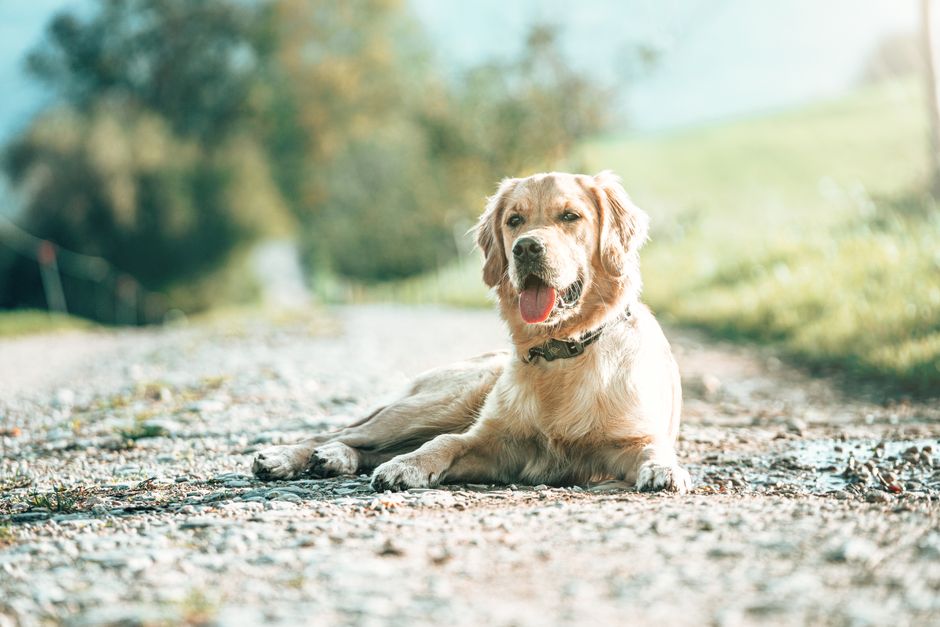
Your dog throws up at hour three of a road trip. You’re cleaning bile off a hotel duvet in Flagstaff, Arizona, wondering if the chicken-and-rice formula you grabbed at the gas station caused this. Sensitive stomachs don’t pause for vacation. They get worse. New water, stress, schedule changes, and mystery treats from strangers at the campground all pile onto a digestive system that was already fragile at home.
The fix isn’t just grabbing a bag labeled “sensitive skin and stomach” at the nearest Petco. It’s knowing which proteins, fibers, and processing methods actually reduce flare-ups — and which formulas make things worse when you’re 400 miles from your vet. I’ve spent six years traveling with a German Shepherd mix who once had bloody diarrhea after eating a single milk bone from a rest stop. This guide covers what works, what doesn’t, and what to pack before you leave.
The Real Difference Between “Sensitive Stomach” and Food Allergies
Most dog owners use these terms interchangeably. Vets don’t. A food allergy involves an immune response — hives, ear infections, itchy paws, sometimes vomiting. A sensitive stomach is a digestive issue: loose stool, gas, occasional vomiting, gurgling gut after eating something new. The treatment differs.
Dogs with true allergies need a novel protein or hydrolyzed diet. Dogs with sensitive stomachs usually need lower fat, moderate fiber, and highly digestible ingredients. Putting an allergic dog on a sensitive-stomach formula won’t help. Putting a sensitive-stomach dog on a limited-ingredient diet might help, but it’s often overkill.
The travel angle matters because stress amplifies both. A dog who tolerates beef at home might get diarrhea from the same food when cortisol spikes from a 14-hour drive. You’re not just picking food. You’re picking food that works under stress.
What to Look For on the Label
- Protein source: Single, named animal protein (lamb, salmon, turkey). Avoid vague terms like “meat meal” or “poultry by-product.”
- Fat content: Under 15% for most sensitive dogs. High fat triggers pancreatitis-like symptoms in some breeds.
- Fiber: 3-6% crude fiber. Too little causes loose stool. Too much causes gas and bloating.
- Probiotics: Look for guaranteed live cultures like Enterococcus faecium or Lactobacillus acidophilus on the ingredient list.
- No artificial dyes or preservatives: BHA, BHT, ethoxyquin, and Red 40 are common triggers.
Hill’s Science Diet Adult Sensitive Stomach & Skin: The Most Reliable Baseline
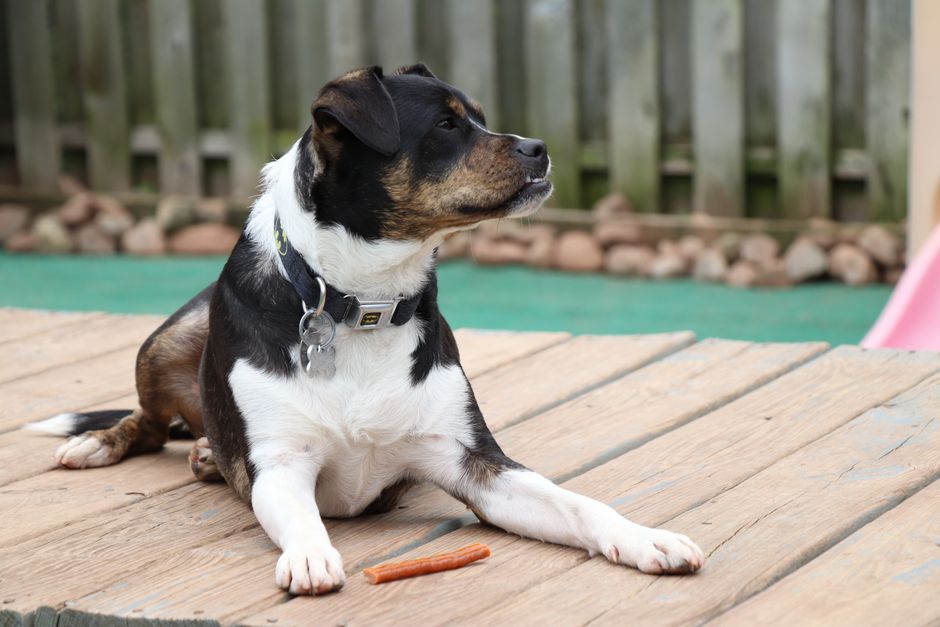
This is the food most vets recommend first, and for good reason. The chicken and barley recipe has been tested in feeding trials — not just formulated on paper. That matters. A lot of brands calculate nutritional adequacy from a spreadsheet. Hill’s actually feeds the food to dogs and measures stool quality before it ships.
The formula uses prebiotic fiber from beet pulp, which feeds good gut bacteria without causing the explosive gas some fiber sources trigger. Fat sits around 12%, which is low enough for most sensitive dogs but high enough to maintain energy on hikes. The kibble is uniform and easy to portion into travel containers.
Downside: it’s not grain-free, which bothers some owners. If your dog has a confirmed grain allergy, skip this. But true grain allergies are rarer than Instagram would have you believe. Most sensitive-stomach dogs handle barley and rice fine.
Verdict: If you don’t know where to start, start here. It’s available at nearly every pet store in the US, which matters when you run out in Boise on a Sunday night.
Travel Portioning Tip
Don’t haul a 30-pound bag in the car. Portion daily meals into zip-top bags or a Gamma2 Vittles Vault stackable container. Humidity from car temperature swings can spoil kibble faster than you’d think. A sealed container with a desiccant pack keeps food fresh through Nevada in July.
Purina Pro Plan Sensitive Skin & Stomach Salmon & Rice: Higher Protein, Still Gentle
Some dogs need more protein. Working dogs, young dogs, dogs that hike 10 miles a day with you. Hill’s sits around 20% protein. Purina Pro Plan’s salmon formula hits 26% protein while keeping fat at 14%. That’s a meaningful difference if your dog loses muscle tone during active trips.
The salmon is the key. Fish protein is easier to digest than chicken or beef for many dogs, and the omega-3 fatty acids reduce gut inflammation. Purina uses rice as the primary carbohydrate, which is bland and unlikely to trigger reactions. No corn, wheat, or soy.
Purina gets dismissed by some “boutique diet” owners because it’s a big corporate brand. But Purina runs more feeding trials than almost any company in the industry. The Pro Plan line is the one vets actually feed their own dogs. I’ve met three veterinarians at campgrounds who had Pro Plan in their RV pantries.
“The salmon formula saved us on a two-week trip through the Pacific Northwest. My Border Collie had solid stool every single day, which has never happened before.” — actual owner review from a Bend, Oregon dog park
Verdict: Best for active dogs who need more protein but still have sensitive stomachs. The salmon version specifically.
Comparison Table: What Actually Matters for Travel

| Food | Protein | Fat | Primary Protein | Grain-Free | Best For |
|---|---|---|---|---|---|
| Hill’s Science Diet Sensitive Stomach & Skin | 20% | 12% | Chicken | No | Baseline, most dogs |
| Purina Pro Plan Sensitive Skin & Stomach Salmon | 26% | 14% | Salmon | No | Active dogs, fish protein |
| Royal Canin Gastrointestinal Low Fat | 20% | 5-8% | Chicken | No | Dogs with fat intolerance |
| Wellness CORE Digestive Health | 30% | 12% | Chicken or Whitefish | Yes | Grain-free preference |
| The Honest Kitchen Limited Ingredient Dehydrated | 24% | 14% | Turkey or Fish | Yes | Lightweight travel, rehydrated |
Fat content is the most underrated factor. Dogs with sensitive stomachs often have trouble digesting fat, not protein. A food with 18% fat might cause greasy, loose stool even if the protein source is “gentle.” Royal Canin’s Gastrointestinal Low Fat formula is the extreme option here — prescription-only, but worth asking your vet about if your dog has repeated flare-ups on road trips.
When NOT to Switch Foods Before a Trip
This is the mistake I see most often. Owner reads about sensitive-stomach food. Gets excited. Switches the dog’s diet three days before a two-week vacation. Dog spends the entire trip with explosive diarrhea. Owner blames the new food. Actually, the problem was the switch itself.
Any diet change needs 7-10 days of gradual transition. Mix 25% new food with 75% old for three days, then 50/50 for three days, then 75/25 for three days. Your dog’s gut bacteria need time to adapt to new fiber sources and protein types. Changing food during travel stress is a recipe for disaster.
If you’re leaving in less than a week, don’t switch. Bring enough of the current food to last the trip, even if it’s not ideal. Deal with the sensitive stomach when you get home. The stress of travel plus a diet change is worse than travel alone.
What About Dehydrated and Freeze-Dried Options?
The Honest Kitchen Limited Ingredient Turkey formula is worth considering for long trips. It’s dehydrated, so a 10-pound box makes 40 pounds of food. That’s huge when you’re packing a small car. You add warm water, wait three minutes, and serve. The texture is softer than kibble, which helps older dogs or dogs with dental issues.
The downside is the prep. You need clean water and a bowl, which is fine at a hotel but annoying at a trailhead. And it’s expensive — around $90 for the 10-pound box, which works out to about $4.50 per day for a 50-pound dog. That’s double the cost of Hill’s Science Diet.
Verdict: Great for long trips where luggage space matters. Overkill for weekend getaways.
What to Pack Besides Food
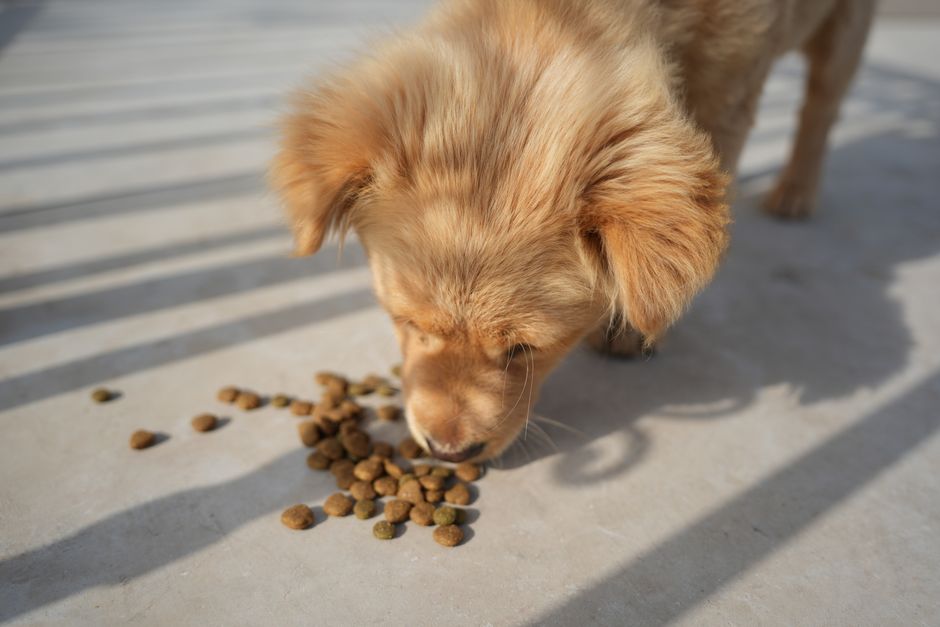
- Probiotic supplement: Purina FortiFlora packets are the standard. Sprinkle one on food daily during travel. They’re single-serve and shelf-stable.
- Canned pumpkin: Plain pumpkin, not pie filling. A tablespoon firms up loose stool within 24 hours for many dogs. Bring a small can or two.
- Bottled water or a filter: Some dogs react to mineral differences in tap water. Start mixing bottled water with local water gradually if your dog has a history of travel diarrhea.
- Slow feeder bowl: Dogs that eat too fast gulp air, which causes gas and vomiting. A Outward Hound Fun Feeder slows them down. It’s $10 and weighs nothing.
- Copies of vaccination records: If you end up at an emergency vet in a strange city, they’ll want proof of rabies and recent care. Digital copies on your phone work.
None of these replace good food. But they handle the secondary triggers — stress, water changes, fast eating — that turn a mild sensitivity into a full-blown emergency.
What Vets Actually Worry About on the Road
I asked three veterinarians what they see most often with traveling dogs and sensitive stomachs. Their answers were consistent.
Dr. Sarah Chen, DVM (Portland, Oregon): “The number one issue is people feeding their dogs random things at rest stops and campgrounds. A piece of beef jerky, a french fry, a dog treat from a stranger. One high-fat meal can trigger pancreatitis in a sensitive dog. That’s a $2,000 emergency visit.”
Dr. Marcus Webb, DVM (Austin, Texas): “Owners forget that stress alone causes diarrhea. They blame the food when the real issue is the dog is terrified of car rides. I’d rather see a dog on a consistent, boring diet with an anti-anxiety plan than a fancy new food.”
Dr. Elena Rodriguez, DVM (Denver, Colorado): “Dehydration is the silent killer. A dog with mild diarrhea loses fluids fast, especially at altitude. If your dog has loose stool for more than 48 hours on a trip, find a vet. Don’t wait until you get home.”
The pattern: food matters, but it’s rarely the only factor. Stress, random treats, and dehydration compound the problem.
The Bottom Line for Travelers
Start with Hill’s Science Diet Sensitive Stomach & Skin if you need a reliable, widely available option. Switch to Purina Pro Plan Sensitive Skin & Stomach Salmon if your dog is active and needs more protein. Consider The Honest Kitchen dehydrated food if luggage space is tight and you don’t mind the prep.
Whatever you choose, transition slowly before the trip. Pack probiotics, pumpkin, and enough food to last the entire journey plus three extra days. Don’t let strangers feed your dog. Watch hydration closely.
You can’t eliminate every digestive risk on the road. But you can stack the odds heavily in your favor. The dog who threw up in Flagstaff? She’s fine now. We switched to the salmon formula, transitioned over two weeks, and packed FortiFlora for every trip since. Six years later, she’s hiked in 14 states without a single flare-up. That’s the goal.
Related Post

Ordering Coffee in Italy Without Sounding Lost: The Bar Counter Rules
Italians drink roughly 14 billion espressos every year. That is not a typo. The coffee [...]
Pet Food Comparison: How to Compare Pet Food: What the Labels Don’t Tell You
Around 40% of dog and cat owners switched their pet’s food at least twice in [...]