How To Choose The Best Collar For Your Cat
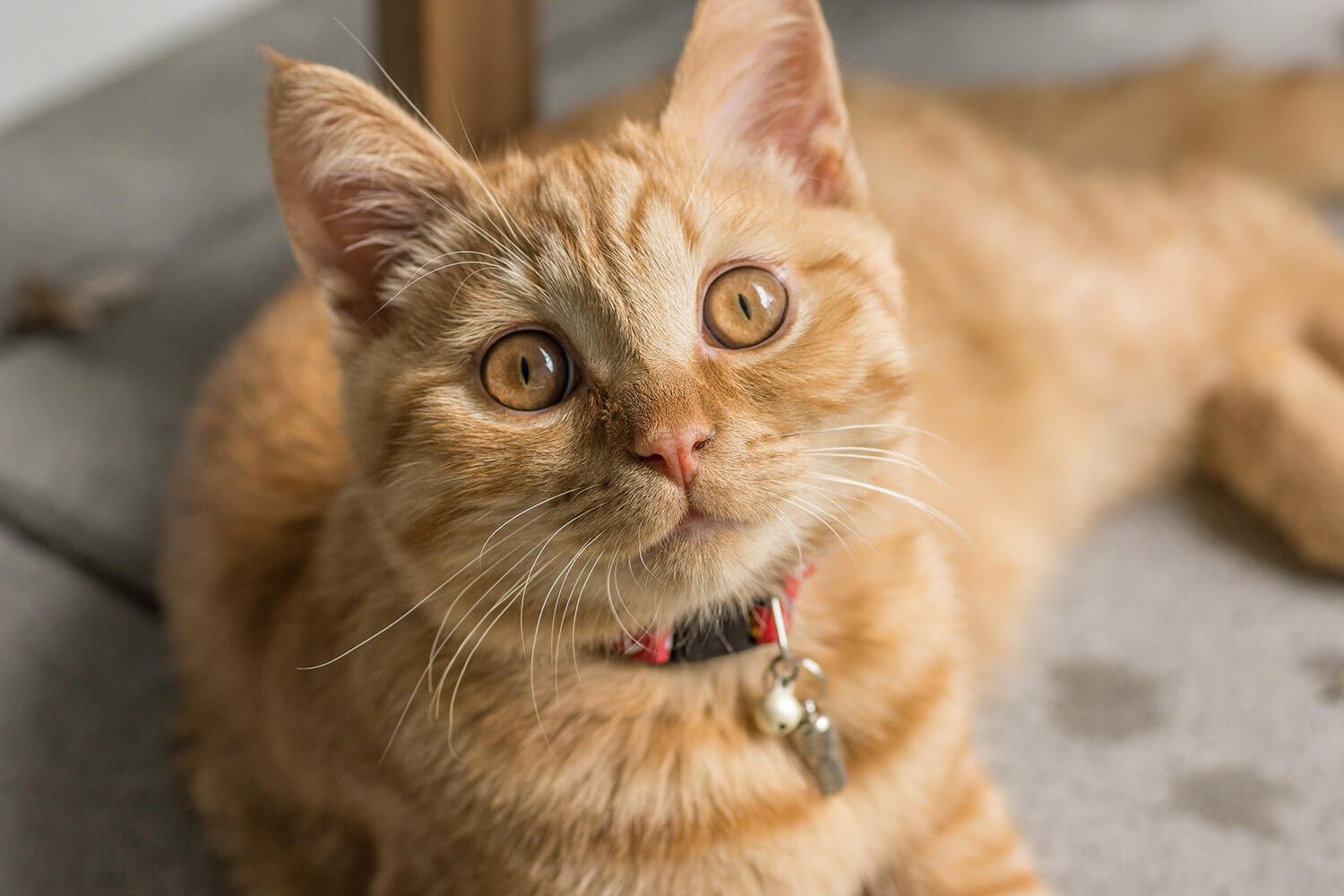
Buy a breakaway collar. That’s the verdict — and everything below supports it with specs, failure data, and specific product comparisons.
Standard fixed-buckle collars kill cats. They catch on branches, fence slats, and heating grates. A cat in a panic cannot free itself, and the collar doesn’t release. This isn’t an edge case — it’s a documented risk profile that the American Veterinary Medical Association has flagged for decades. The cat collar market offers a clear safer alternative. Most buyers still pick wrong.
This guide covers what the safety data shows, what materials actually do, where buyers consistently go wrong, and which products clear the minimum risk threshold worth recommending.
Breakaway vs. Standard Collars: The Risk Profile Comparison
The collar market breaks into three functional types. Each carries a measurably different risk profile based on documented veterinary case data and manufacturer safety testing. The table below covers the key variables.
| Collar Type | Releases Under Pressure | Entrapment Risk | Jaw-Snag Risk | Vet-Recommended | Verdict |
|---|---|---|---|---|---|
| Standard Buckle | No | High | Low | No | Avoid |
| Elastic/Stretch | Partial | Medium | High | No | Avoid |
| Breakaway (single release) | Yes | Low | Low | Yes | Recommended |
| Breakaway (dual-release) | Yes — two points | Very Low | Low | Yes | Best Default |
Why elastic collars are not a safe compromise
Elastic collars feel like a reasonable middle ground. They give when pulled, so entrapment seems less likely. The actual failure mode is different: cats frequently hook their lower jaw inside elastic collars while grooming. Once caught, the elastic provides enough resistance to cause jaw injury or suffocation before the cat can work free. Emergency veterinary clinics see this presentation regularly. Elastic is not a safety feature.
How a breakaway buckle actually works
A properly calibrated breakaway buckle snaps open when pull force exceeds approximately 3–5 pounds. That’s enough tension to stay closed during normal movement — jumping, running, shaking — but releases cleanly when a collar catches on a fixed object and the cat pulls against it. The PetSafe KeepSafe Breakaway Collar ($10–$14) uses a dual-release mechanism with two buckle points, one of which is rated for leash attachment without triggering the release. Standard single-release breakaway collars are not safe with a leash — the whole point is they release under load.
The buckle quality variable most buyers ignore
Not all breakaway buckles perform the same. Cheap unbranded versions either release too easily — the collar falls off constantly — or require too much force to open, defeating the safety function entirely. Brands like Rogz, Coastal Pet, and Blueberry Pet test release thresholds as part of manufacturing QC. A $4 collar from an unbranded discount bin has not been tested. The $8–$14 price range from established brands buys a calibrated mechanism. That’s the core product, not a luxury upgrade.
The Two-Finger Rule
After buckling the collar around your cat’s neck, slide two fingers underneath it. Two fingers fit snugly — not loose, not barely — and you’re done. One finger means too tight. Three fingers means too loose, and a loose collar snags more easily than a fitted one. This takes 10 seconds and solves the majority of collar-related injury cases that aren’t caused by the wrong collar type.
Material Breakdown: What Cat Collar Fabrics Actually Do
Material choice affects durability, skin tolerance, water resistance, and whether a cat will accept wearing the collar long-term. These are not cosmetic decisions. The three dominant materials — nylon, leather, and reflective fabric — have distinct performance profiles that map to different use cases.
Nylon: the default for good reason
Nylon is the most common cat collar material and the right starting point for most owners. A standard nylon cat collar weighs 3–6 grams, is machine washable, available in widths from 3/8 inch to 3/4 inch, and resists fading after outdoor exposure. The Blueberry Pet Classic Solid Color Breakaway Safety Collar ($8–$12) is the benchmark here — it uses a Duraflex breakaway buckle with a tested release threshold, comes in over 20 colors, and holds up to repeated washing and outdoor use without significant degradation.
The failure mode for cheap nylon: fraying at the buckle edge. A frayed edge against the neck causes friction hair loss and skin irritation, usually visible as a bare stripe around the neck. Inspect the buckle contact points every 2–3 months. If the material is fraying, replace the collar.
For cats with fine fur or known skin sensitivity, the Beastie Band Cat Collar ($12–$16) uses a soft microfiber construction that eliminates the friction problem entirely. It’s not machine washable, but for sensitive-skin cats it’s the right trade-off.
Leather: durable, but check the buckle first
A well-made leather collar outlasts nylon by years — 3–5 years versus 1–2 for mid-range nylon. The problem is that most leather collars use standard fixed buckles, not breakaway mechanisms. Before buying any leather collar, confirm it has a breakaway release. If it doesn’t, it doesn’t clear the minimum safety threshold regardless of construction quality.
New leather is stiff. Expect 1–2 weeks of break-in time before a leather collar conforms to the neck shape. Cats that are sensitive to new textures or easily irritated may reject a stiff leather collar during the break-in period. Start with nylon for those cats.
Reflective collars: not optional for outdoor cats
A cat crossing a road at dusk has almost no visibility without reflective material. This is a straightforward risk reduction. The Rogz Safeloc Breakaway Reflective Cat Collar ($9–$13) combines a tested breakaway buckle with retroreflective stitching visible up to 100 meters in headlight conditions. The price premium over non-reflective nylon collars is under $3. For any cat with outdoor access after dark, the non-reflective option is the wrong choice.
Width and weight: two specs most buyers skip
Cat collars should be 3/8 inch wide for most domestic cats. Collars at 1/2 inch or wider are generally designed for dogs and can restrict neck movement or cause discomfort over time. Weight matters independently of width — a collar loaded with a heavy ID tag, a bell, and a GPS device can easily exceed 25–30 grams total, which creates measurable neck muscle fatigue in smaller cats. Keep total collar assembly weight under 20 grams for cats under 10 pounds.
Five Mistakes Cat Owners Make When Buying Collars
- Choosing a non-breakaway collar because it looks sturdier. A collar that doesn’t release is not a safer collar. Sturdiness is a liability when the collar catches on a fixed object. Release behavior is the spec that matters.
- Fitting the collar loose for comfort. A loose collar snags more easily, not less. Cats can hook a slack collar on their lower jaw during grooming or catch it on protruding objects. Use the two-finger rule — not a rough estimate.
- Attaching a leash to a standard breakaway collar. The collar will release. Walking a cat requires a harness — a Rabbitgoo Escape-Proof Cat Harness ($18–$22) uses an H-style chest harness that distributes pressure across the torso and eliminates neck load entirely.
- Buying based on appearance only. Large decorative bells, charm pendants, and heavy metal hardware add weight and snagging points. A collar with a large bell is a liability near dense shrubs, fence gaps, and garden netting.
- Never rechecking fit after the first adjustment. Kittens grow fast. A correctly fitted collar on a 4-month-old can become dangerously tight within 6–8 weeks. Check fit monthly for cats under one year old — it takes 10 seconds and the failure mode is severe.
The most common single purchase mistake: buying unbranded to save $3–$4. The safety buckle on a $4 collar from an unknown manufacturer has not been tested against a release threshold. The $8–$14 range from Rogz, Blueberry Pet, or Coastal Pet buys a calibrated mechanism, not just a prettier label.
When to Skip the Collar Entirely
Microchip your cat regardless of whether you use a collar — then collar them too.
For strictly indoor cats with zero outdoor access, some veterinary behaviorists make a legitimate case against collars. An indoor cat cannot get lost, so visible ID has no functional benefit. The collar introduces a small but real risk of jaw-snagging or furniture entrapment. If your cat lives completely indoors and has documented skin sensitivity, skipping the collar while maintaining current microchip registration is defensible.
For any cat with outdoor access — even occasional supervised yard time — a collar with an ID tag remains the fastest recovery mechanism if the cat goes missing. A microchip requires a vet or shelter with a scanner. A collar tag requires a phone call. Shelter intake data consistently shows that collar-tagged cats are reunited with owners faster than microchipped-only cats, because neighbors and finders can act immediately. The collar is the first line of identification. The microchip is the backup when the collar comes off — which it should, if you bought the right one.
The harness alternative for high-escape-risk cats
If your cat has a history of collar removal, strong outdoor drive, or documented neck sensitivity, a Kitty Holster Cat Harness ($22–$28) worn for supervised outdoor time can carry an ID tag on the D-ring without any neck contact. Harnesses are not practical for all-day wear, but they fully eliminate strangulation risk and are the correct tool for leash walking. Expect 2–4 weeks of acclimation time before most cats tolerate a harness without resistance.
Collar Products That Clear the Safety Checklist
The five products below meet the minimum safety specification: confirmed breakaway buckle, tested release threshold, appropriate width for cats, available in correct size range. Prices reflect 2026 standard retail.
| Product | Material | Breakaway | Reflective | Price | Best For |
|---|---|---|---|---|---|
| Blueberry Pet Classic Breakaway | Nylon | Yes — Duraflex buckle | No | $8–$12 | General daily wear |
| Rogz Safeloc Reflective | Nylon + retroreflective | Yes — tested threshold | Yes (100m) | $9–$13 | Outdoor cats, low-light areas |
| PetSafe KeepSafe Breakaway | Nylon | Yes — dual-release | No | $10–$14 | Supervised leash use |
| Beastie Band Cat Collar | Soft microfiber | Yes | No | $12–$16 | Sensitive skin, fine-fur cats |
| Coastal Pet Breakaway | Nylon | Yes — QC-tested | No | $6–$10 | Budget pick with proven buckle |
Clear verdict: for most cats in most situations, the Rogz Safeloc Reflective Breakaway Collar is the best default. It covers both safety requirements and low-light visibility, costs under $13, and holds up to daily outdoor use. For cats with friction-sensitive skin, move to the Beastie Band. For leash walking, the PetSafe KeepSafe is the only collar here rated for leash attachment.
ID Tags and GPS Trackers: What Actually Gets Cats Home
What should go on a cat’s ID tag?
Your phone number and the cat’s name. That’s the minimum viable tag. Skip the home address — most finders will call rather than visit, and a printed address is a minor security exposure. Keep the tag lightweight: aluminum tags weigh 1–2 grams versus 4–6 grams for standard stainless steel. On a 3/8-inch collar carrying a 5-gram breakaway buckle, that 4-gram difference in tag weight is meaningful for all-day comfort.
Do GPS trackers on cat collars actually work?
Yes — with an important caveat about weight. The Tractive GPS Cat Tracker ($49.99 device, $5–$8/month subscription) provides real-time cellular location on a smartphone app and covers areas with mobile network access. The cat-specific version weighs 20 grams. That’s at the upper comfortable limit for an average domestic cat. On a small or fine-boned cat under 8 pounds, 20 grams on the neck is too heavy — attach the tracker to a harness D-ring instead.
The Apple AirTag ($29, no subscription) weighs 11 grams and uses Bluetooth plus the crowd-sourced Find My network. When any iPhone passes within range of your cat, it logs a location update. In dense urban areas this works reasonably well as a passive recovery tool. In rural areas with sparse iPhone density, real-time location isn’t available. AirTag is not a GPS tracker — it’s a passive proximity logger. The distinction matters when a cat goes missing in a low-traffic area.
Which setup is actually worth building?
The most effective system for most cat owners: a breakaway collar with a lightweight aluminum ID tag for everyday visible identification, plus current microchip registration with your active phone number. Add a Tractive GPS on a harness for cats with outdoor roaming habits or a documented history of escaping. The microchip covers the scenario where the collar releases — which a correctly specified breakaway collar absolutely will do under the right conditions.
The single most effective action for your cat’s safety is a breakaway collar correctly fitted to the two-finger rule, paired with a microchip registered to your current contact information.
Related Post

How to get rid of fleas on cats fast
To successfully kill fleas on cats, you’ll need a good quality cat flea treatment as [...]
Top Tips for New Kitten Owners
You drive home from the shelter with a carrier on the passenger seat. Inside, a [...]