How to Manage Your Cat’s Weight at Home with Vet-Approved Tips

If you’ve noticed your cat putting on extra pounds, you’re not alone—and you’re in the right place. Managing your cat’s weight at home isn’t just about aesthetics; it’s about preventing serious health risks like diabetes and joint issues. In this guide, you’ll discover practical, vet-approved steps to safely and effectively help your cat shed excess weight while keeping them happy and active. Ready to take control and improve your feline friend’s quality of life? Let’s get started.
Assessment: Is Your Cat Actually Overweight?
Beyond the Scale: Why Weight Alone Isn’t Enough
Wondering if your cat is truly overweight? The number on the scale is a start, but it doesn’t tell the whole story. Cats come in different sizes and frames, so a simple weight measurement won’t give you the full picture of their health status or fat levels. That’s why assessing your cat’s overall body condition is crucial.
The Body Condition Score (BCS)
One of the best tools vets and pet owners use is the Feline Body Condition Score (BCS). It’s a simple 9-point scale that helps you visually and physically evaluate your cat’s fat coverage and muscle tone. A score of 4-5 is ideal: ribs are easily felt but not visible, waist is visible behind ribs, and the abdomen is tucked up. Scores above 6 indicate overweight or obesity.
The “Hand Test” for Quick Checks
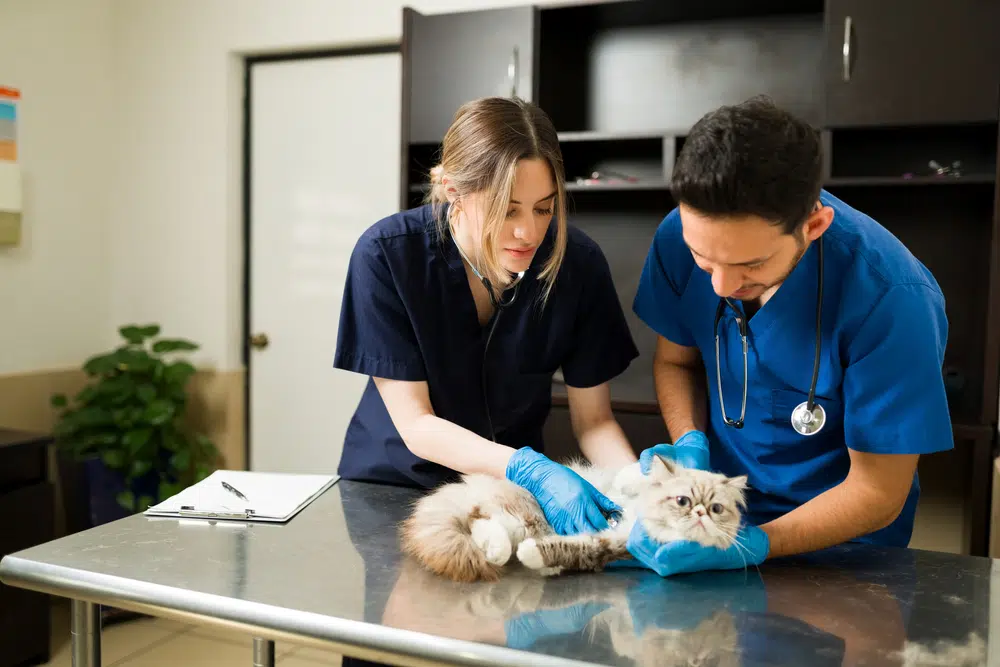
A quick, at-home test is the “hand test.” Gently run your hands over your cat’s ribs:
- If you can’t feel the ribs without pressing hard, that’s a sign of excess fat.
- If ribs are too prominent, your cat may be underweight.
This tactile method is a simple way to keep tabs on your cat’s health between vet visits.
The Visual Check: What to Look For
Stand back and observe your cat from above and from the side:
- Above: Look for a visible waist between the ribs and hips.
- Side: Check for an abdominal tuck (a slight upward curve behind the ribs).
If your cat’s shape is round with no waist and a bulging belly, it’s likely a weight problem.
Why Early Assessment Matters
Evaluating your cat’s weight and body condition isn’t about judgment—it’s about preventing serious cat obesity health risks like diabetes, arthritis, and hepatic lipidosis. Early detection of excess weight lets you take action with confidence and care.
Use these simple assessment techniques regularly to keep your feline friend at a healthy weight—and set the stage for effective weight management at home!
The Diet Overhaul: What Goes in the Bowl
Managing your cat’s weight starts with what you put in the bowl. First off, understanding calories is key—using a cat weight loss calculator or calculating the Resting Energy Requirement (RER) for cats helps you figure out how much food your cat really needs. Overfeeding is a common pitfall, so precision matters.
Next, the wet vs. dry food debate. Wet food tends to be lower in carbs and higher in moisture, which supports hydration and can aid weight management. Dry food often has more carbs and less protein, which isn’t ideal if your cat needs to shed pounds. Aim for high-protein low-carb cat food, as protein keeps your cat feeling full longer—this is critical for weight control and satiety in cats.
Treats are a sneaky source of extra calories. Keep treats minimal and factor them into the daily calorie count. Use healthy, low-calorie options and try interactive puzzle feeders to slow down eating and make treats last longer.
To prevent health risks like feline diabetes prevention and hepatic lipidosis prevention, focus on a metabolic diet for cats that balances nutrients but limits unnecessary carbs and fats. Portion control for pets is essential here—controlled portions mean controlled weight.
If you care about long-term success, follow these diet basics consistently. For specific concerns like skin issues that sometimes come with weight changes, check out tips on recognising skin problems in cats to keep your feline friend healthy inside and out.
Changing Feeding Habits: The “How” Matters
One of the biggest challenges in managing your cat’s weight at home is changing how you feed them. The old habit of leaving food out all day—known as the all-day buffet—often leads to overeating and weight gain. Instead, ditch free-feeding and switch to scheduled meal times. Feeding your cat twice or three times a day helps control calorie intake and prevents snacks from turning into extra pounds.
In homes with more than one cat, the multi-cat dilemma complicates feeding schedules. Some cats may eat more than their share, while others may get left out. Using portion control for pets with separate feeding stations or microchip pet feeders can help ensure each cat gets the right amount of food without stress or competition.
This approach not only supports weight loss but also builds good habits, helping your cat maintain a healthy weight long-term. It’s a simple but powerful change that makes all the difference when managing cat obesity health risks and maintaining overall wellbeing.
Environmental Enrichment & Exercise (Burning the Calories)
Helping your cat shed those extra pounds isn’t just about diet—it’s also about getting them moving. Cats, especially indoor ones, often struggle with weight because they don’t burn enough calories. Here’s how to boost their activity naturally.
Make Them Work for It
Turn feeding and playtime into a chance to burn calories. Using interactive puzzle feeders encourages your cat to solve challenges to earn their food, stimulating both mind and body.
Interactive Play
Daily play sessions are essential. Toys that mimic prey—like feather wands or laser pointers—keep your cat engaged and active. Short bursts of play throughout the day can add up to significant calorie burning, helping with cat weight loss while preventing boredom.
Vertical Territory
Cats love climbing and exploring vertical spaces. Providing cat trees, shelves, or window perches lets them climb, jump, and scratch, all great forms of indoor cat exercise that naturally increase activity levels.
Passive Exercise
Encourage natural movement even when you’re not around. Leave toys scattered to encourage independent play and consider puzzle feeders that require effort. These small changes help reduce the risk of cat obesity health risks by keeping your cat moving more often.
By combining these strategies, you create a stimulating environment that supports a healthier, more active lifestyle for your cat. For more insights into your cat’s behavior and how movement affects them, you might find it interesting to explore why cats stretch or how their ear movements signal mood changes.
Monitoring and Troubleshooting Your Cat’s Weight Loss Journey
Keeping an eye on your cat’s progress is key when managing their weight at home. Weekly weigh-ins help track changes without stressing your cat too much. Use a consistent spot and time, ideally the same scale, so results are accurate. If your cat’s weight stalls or plateaus, don’t panic—this is common and means you might need to tweak their diet or exercise routine.
Begging behavior can be tempting to give in to, but managing treats is crucial. Offering low-calorie or portion-controlled snacks can help maintain satiety without undoing your efforts. Remember, consistent portion control for pets is far more effective than sporadic treats.
If weight loss plateaus, re-evaluate calorie intake using tools like a cat weight loss calculator to ensure you’re meeting but not exceeding the ideal Resting Energy Requirement (RER) for cats. Adjust activity levels with interactive puzzle feeders or new play routines to boost their metabolism safely.
Regular monitoring also helps prevent serious issues like hepatic lipidosis—especially if weight drops too fast. Keeping an eye out and troubleshooting early supports a healthy, steady weight loss that benefits your cat’s long-term health, especially in preventing cat obesity health risks and feline diabetes.
Related Post
Cat Reproduction & Mating: Vet-Approved Facts & Explanation
Cat breeders and veterinarians aren’t the only ones who need to know about the feline [...]
10 Best Cat Beds in 2025 – Reviews & Top Picks
Cats take legendary naps. As crepuscular creatures, they’re likely to “cat nap” through most of [...]