Freeze-Dried Dog Food for Travel Days: What I Pack Now
The hardest part of feeding a dog on the road is not usually the food itself. It is the timing, the storage, the sudden change in routine, and the fact that a dog who eats perfectly well at home may become suspicious of everything once the suitcase comes out.
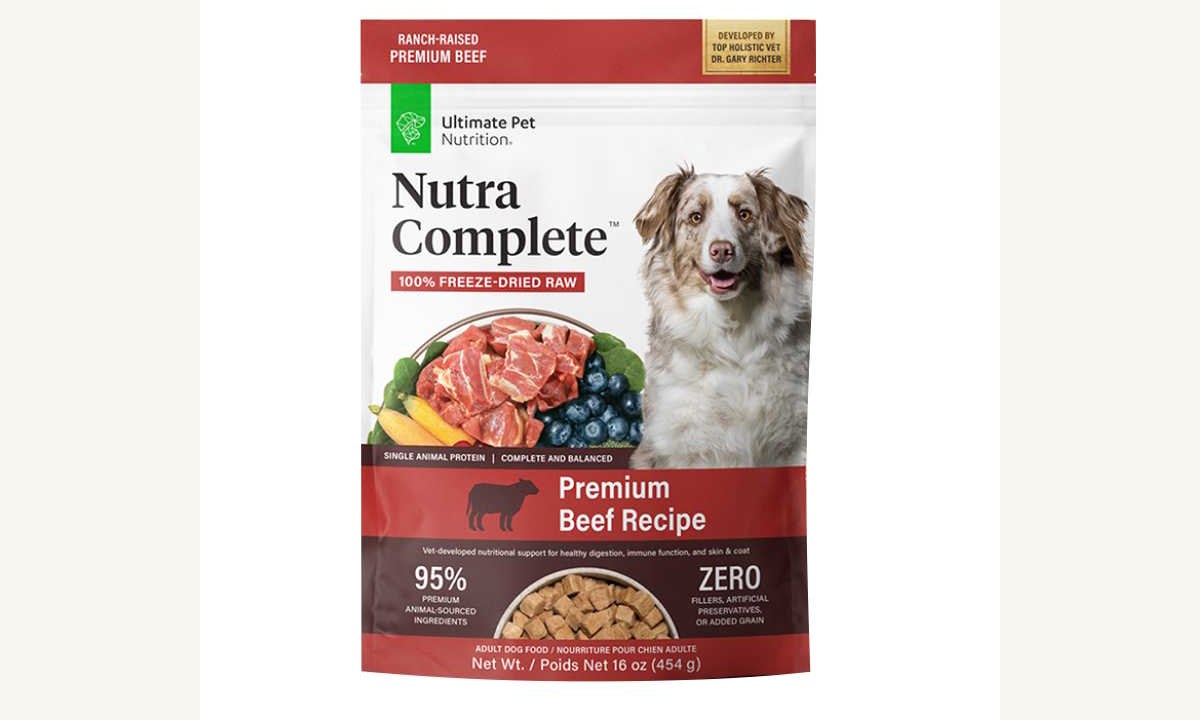
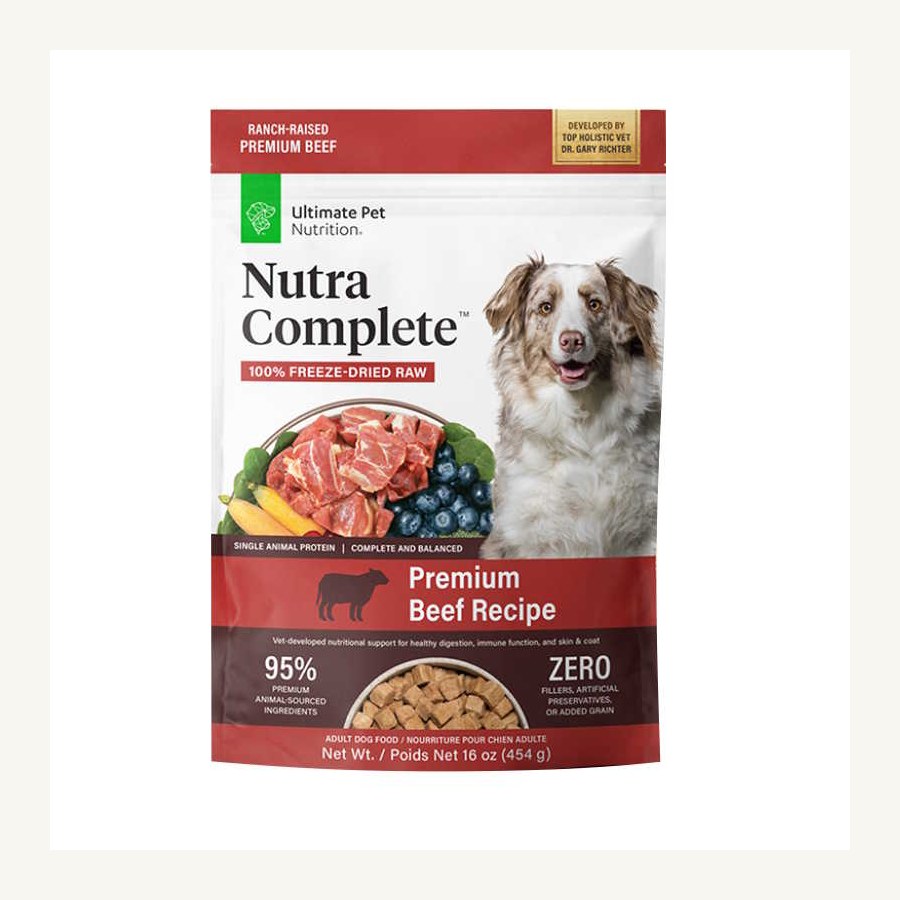
That is why freeze-dried dog food has become one of the more practical travel options for owners who do not want to rely on whatever is available near the hotel. Ultimate Pet Nutrition is best known for Nutra Complete, a freeze-dried dog food built around meat, organs, vegetables, seeds, and added nutrients. It is not the cheapest way to fill a bowl, but for short trips, fussy eaters, or dogs who do better with a consistent diet, it solves several small problems at once.
Why Freeze-Dried Food Travels Well
Traditional wet food is convenient until you have opened a can in a guest room and need to store the leftovers. Kibble is simple, but some dogs lose interest when stress rises. Frozen raw food can be excellent at home and awkward everywhere else. Freeze-dried food sits in the useful middle: lighter than wet food, easier to portion than frozen food, and more appealing to many dogs than plain dry kibble.
The big advantage is control. You can pack exact daily portions, keep the food dry, and add warm water when you want a softer meal. That matters on trips where the dog is already dealing with car time, new smells, delayed walks, and different sleeping arrangements.
Where Nutra Complete Fits In
Nutra Complete is usually talked about as a full meal, but many owners use freeze-dried food more flexibly. It can be served as the main meal, mixed into an existing diet, or used as a higher-value topper when a dog becomes picky away from home. For travel, that last use is especially handy. A small amount can make a familiar bowl more interesting without rebuilding the entire feeding plan overnight.
If your dog already eats a sensitive diet, transition slowly before the trip rather than experimenting at the destination. A travel day is a poor time to discover that a rich new food is too much for your dog. Start at home, watch stool quality, and build up only if everything stays settled.
A Simple Packing Method
For a weekend away, I would rather pack food like a small first-aid kit than like a grocery bag. The goal is not abundance. The goal is predictability. Measure each meal into a separate pouch or container, label the day, and carry one extra meal in case plans change. Keep a collapsible bowl, a measuring cup, and a bottle of plain water with the food instead of scattering them through different bags.
| Travel problem | Why freeze-dried helps |
|---|---|
| No fridge in the room | Dry food is easier to store before it is prepared. |
| Dog refuses normal kibble | Warm water can release more aroma and soften the meal. |
| Messy car feeding | Portions are light and can be prepared only when needed. |
| Changing meal times | Pre-measured servings reduce rushed guesswork. |
Who Will Get the Most Use From It?
- Owners of picky dogs who eat better when food smells fresh and warm.
- Weekend travellers who want a light food option that does not need refrigeration before serving.
- Dogs on mixed feeding routines where a topper can keep meals familiar but more appealing.
- Older dogs who may prefer a softer meal once water is added.
Who Should Be Careful?
Do not switch suddenly if your dog has pancreatitis history, severe food sensitivities, or a veterinary diet. Rich freeze-dried food can be too much for some dogs when introduced quickly. It is also not a magic cure for travel nerves. If your dog refuses food because they are frightened, the feeding plan should sit alongside calmer travel practice, shorter first outings, and a quiet place to rest.
Price is the other honest point. Freeze-dried food often costs more per bowl than basic kibble. For many families it makes most sense as a travel food, a topper, or a short-term option rather than the everyday diet for a large dog.

Before You Leave Home
Try the food at least a week before the trip. Feed a small amount first, then a partial serving, and only then decide whether it belongs in the travel bag. Pack it in a sealed container rather than relying on a half-open bag. If you add water, use the same amount each time so the texture stays familiar. Dogs notice changes faster than we do.
The best travel food is not the most impressive label. It is the one your dog eats calmly, digests well, and can be served without turning a hotel room or holiday cottage into a feeding project. Nutra Complete is worth considering because it makes that routine easier to control.
Related Post
Caring for a Senior Cat or Dog
We all want our pets to live a long and happy life. As with us, [...]
Recognising Skin Problems in Your Cat or Dog
A thick glossy coat is an outward sign of a healthy well cared for pet. [...]