Itch Flea Treatment Reviews 2024: Reliable Protection for Pets on the Move
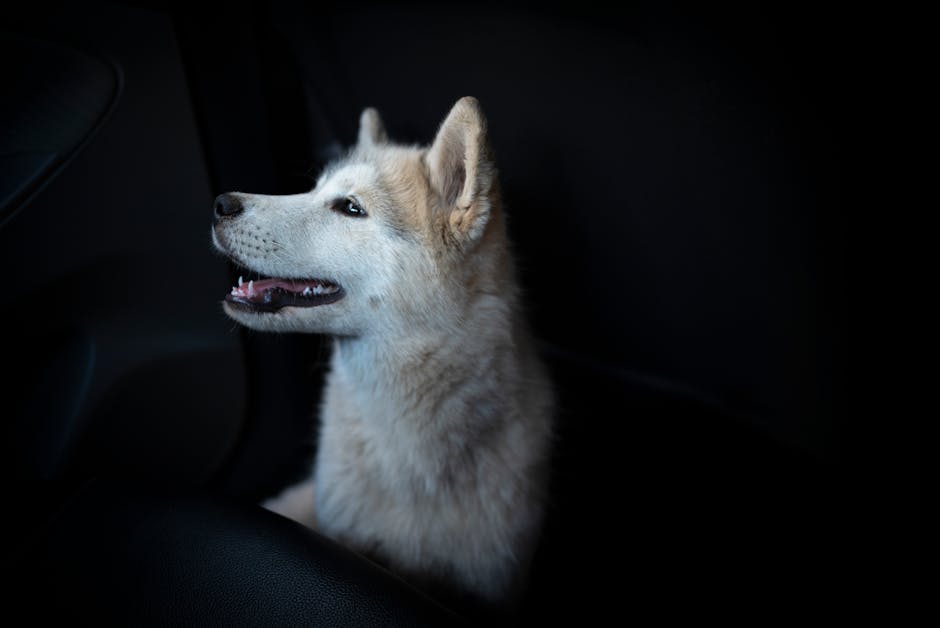
The scratching starts in the backseat of the SUV, somewhere between the winding roads of the Peak District and the rugged coastline of Cornwall. It is a rhythmic, thumping sound—a hind leg meeting a collar—that signals the arrival of an uninvited passenger. Traveling with pets introduces them to a kaleidoscope of new environments: sandy dunes, dense forest floors, and the communal carpets of dog-friendly boutique hotels. Each of these locations is a potential reservoir for Ctenocephalides felis, the common flea that, despite its name, is perfectly happy to infest your dog, your upholstery, and your holiday peace of mind. For the traveler, a flea infestation isn’t just a health nuisance; it is a logistical disaster that can lead to cleaning fees and a car that feels like a biological hazard.
When we look at the current market for parasite protection, the subscription model has gained significant traction. Itch, a UK-based pet wellness company, has positioned itself as a convenient, vet-approved solution for those who struggle to remember the exact date their pet’s last treatment was applied. This is particularly relevant for those of us who spend weeks at a time away from home, where the routine of the kitchen calendar is replaced by the spontaneity of the road. In this deep dive, we will examine the pharmaceutical profile of Itch flea treatments, the logistics of their delivery system, and how the product holds up under the rigorous demands of a travel-heavy lifestyle.
What is Itch Flea Treatment and How Does the Subscription Model Work for Travelers?
Itch is not merely a retailer; it is a specialized service that focuses on the chronic nature of pet parasite prevention. The core philosophy is simple: consistency is the only way to break the flea life cycle. For travelers, this is the first hurdle. When you are moving between Airbnbs or campsites, the monthly task of visiting a vet or a high-street pet shop often falls to the bottom of the priority list. Itch solves this by utilizing a recurring delivery model that sends a precisely dosed pipette to your door—or your temporary holiday address—every 31 days.
The Logistics of Subscription on the Road
The service starts with a detailed profile of your pet, including their weight, age, and lifestyle. This is vital because under-dosing is a primary cause of treatment failure. For a dog that spends its days hiking in the Highlands, the risk profile is significantly higher than a sedentary indoor cat. The standard Itch Flea for Dogs costs approximately £7.00 to £13.00 per month, depending on the size of the animal. This price point is competitive when compared to high-street retail prices for similar dual-action formulas. One of the most significant advantages for the traveler is the letterbox-friendly packaging. If you are staying at a long-term rental or a friend’s house, the slim profile of the delivery means you don’t need to be in to sign for it, and it won’t be left vulnerable on a porch in an unfamiliar neighborhood.
Customization and Add-ons for Enhanced Protection
Beyond the basic flea treatment, Itch allows for the inclusion of worming tablets and home sprays. For those traveling in caravans or motorhomes, the Itch Flea Home Spray is an essential companion. Fleas spend only a fraction of their life cycle on the pet; the rest is spent as eggs and larvae in the environment—which, in your case, is the small, carpeted area of your vehicle. Being able to bundle these products into a single monthly package reduces the mental load of pet maintenance while away from home.
Analyzing the Active Ingredients: Fipronil and (S)-methoprene Efficacy
When evaluating itch flea treatment reviews, we must look past the branding and into the biochemistry. Itch uses a combination of two key active ingredients: Fipronil and (S)-methoprene. This is a “dual-action” approach, meaning it targets both the adult parasites and their offspring. For a traveler, this distinction is critical. If you only kill the adults, you are merely pruning the population. The eggs dropped in your car’s footwell will hatch days later, leading to a re-infestation just as you reach your next destination.
The Role of Fipronil as a Neurotoxin
Fipronil is a broad-spectrum insecticide that belongs to the phenylpyrazole chemical family. Its mechanism of action involves disrupting the insect’s central nervous system by blocking GABA-gated chloride channels and glutamate-gated chloride channels. In simpler terms, it causes hyperexcitation of the flea’s nerves and muscles, leading to death. What makes Fipronil particularly suited for travel is its lipophilic nature. Once applied to the skin, it dissolves into the oils of the pet’s coat and collects in the hair follicles. It is then released over time, providing a month of protection that doesn’t wash off easily if your dog decides to take an impromptu dip in a lake.
Why (S)-methoprene is Essential for Holiday Rentals
(S)-methoprene is an Insect Growth Regulator (IGR). It mimics a natural juvenile hormone in insects, preventing larvae from molting and eggs from hatching. This is the “insurance policy” for travelers. If your dog picks up fleas at a public park, they may lay eggs before the Fipronil kills them. Without an IGR, those eggs would hatch in your hotel room. By including (S)-methoprene, Itch ensures that any eggs dropped are essentially “duds.” This protects the reputation of pet-friendly accommodations and ensures you don’t bring a persistent problem back home with you after the trip.
Itch Flea Treatment Reviews: Real-World Performance on Road Trips and Hiking
Applying a liquid treatment to a dog in the cramped confines of a campervan or the back of a car requires a product that dries quickly and doesn’t leave a lingering chemical odor. In my research into user experiences and technical specifications, several practical themes emerge regarding the application process of Itch. The pipette design is standard—a snap-off top that allows for direct skin contact at the base of the skull. However, the viscosity of the liquid is a point of contention in many itch flea treatment reviews.
Drying Time and Residue Considerations
For travelers, the “greasy spot” is a genuine concern. After application, it is recommended to keep the pet away from furniture (and your car seats) until the product is dry. Itch typically takes about 12 to 24 hours to fully absorb and dry. During this window, the area of application can look slightly matted or oily. If you are on a road trip, it is best to apply the treatment at the end of the day once you have reached your accommodation, rather than right before a long drive. This prevents the active ingredients from rubbing off on the upholstery and ensures the pet doesn’t lick the product off in the car.
- Pro: High efficacy against adult fleas within 24 hours.
- Pro: The subscription ensures you never miss a dose, which is the most common cause of flea outbreaks.
- Con: The oily residue can be messy if the pet is allowed on furniture immediately.
- Con: Some pets with sensitive skin may experience localized redness (a common trait of Fipronil-based products).
Crucially, the effectiveness of any spot-on treatment is dependent on correct application. You must part the hair and apply the liquid directly to the skin, not the fur. On a thick-coated breed like a Border Collie—a common travel companion—this requires deliberate effort and patience.
Comparing Itch Flea Treatment to Leading Brands
To understand the value of Itch, we must compare it to the established giants of the industry, such as Frontline Plus and Advantage. Many of these products are available through major retail outlets, often accessible via affiliate partners like Awin-supported pet stores. While the active ingredients in Itch are identical to those in Frontline Plus (Fipronil and (S)-methoprene), the delivery mechanism and price structure differ significantly.
| Feature | Itch Flea | Frontline Plus | Advantage (Bayer) |
|---|---|---|---|
| Active Ingredients | Fipronil, (S)-methoprene | Fipronil, (S)-methoprene | Imidacloprid |
| Target | Adults, Eggs, Larvae | Adults, Eggs, Larvae | Adults, Larvae |
| Price (Approx) | £7 – £13 / month | £20 – £30 (3 doses) | £15 – £22 (4 doses) |
| Purchase Method | Subscription (Direct) | Retail / Pharmacy | Retail / Pharmacy |
| Travel Convenience | High (Auto-delivery) | Medium (Manual buy) | Medium (Manual buy) |
The primary differentiator here isn’t the science; it’s the logistics. Frontline Plus is a proven entity, but it requires the owner to remember to buy it and apply it. Advantage uses Imidacloprid, which is excellent for killing adult fleas quickly but lacks the specific egg-inhibiting power of (S)-methoprene unless you opt for the “Advantix” version which adds extra protection. For the traveler, Itch’s main advantage is the removal of the “oops, I forgot” factor. When you are navigating foreign roads or planning hiking routes, having the treatment arrive exactly when needed is a significant benefit that justifies the subscription model.
Managing Flea Infestations in Travel Accommodations and Vehicles

Even with the best spot-on treatment, a traveler must be proactive about the environment. If you discover a flea on your pet while staying in a holiday rental, the panic is real. You are in a space you don’t own, often with a security deposit at stake. This is where the broader Itch ecosystem, specifically the home spray, becomes a vital tool in your travel kit. The home spray contains Permethrin and an IGR, designed to kill fleas in the carpet and cracks of the floorboards.
The “Car Infestation” Scenario
The car is the most overlooked area in flea prevention. It is warm, vibration-heavy (which stimulates flea pupae to hatch), and full of small crevices. If your dog is carrying fleas, the car becomes a mobile incubator. Most itch flea treatment reviews focus on the pet, but the environmental control is what prevents a one-week holiday from turning into a six-month household battle. When traveling, I recommend a thorough vacuuming of the vehicle every three days if you are in high-risk areas like woods or farms. If a flea is spotted, use the Itch Home Spray on the mats and under the seats. Note: Permethrin is highly toxic to cats, so if you are a multi-pet traveler, ensure your feline companions are nowhere near the vehicle when it is being treated.
Steps for a Flea-Free Journey
- Pre-Trip Dose: Apply Itch three days before you leave. This ensures the product is dry and the active ingredients are fully distributed through the coat’s oils before you hit the road.
- The Grooming Kit: Carry a fine-toothed flea comb. After every hike in long grass, give your pet a quick once-over. This isn’t just for fleas; it’s the best way to spot ticks before they attach.
- Bedding Management: Bring your pet’s own bed from home. This provides a familiar scent and reduces the chance of them picking up something from hotel carpets. Wash this bedding at 60°C immediately upon your return.
- The “Hot Spot” Check: Fleas love the base of the tail and the armpits. Check these areas daily during your trip.
In the final analysis, Itch flea treatment reviews suggest a product that is robust enough for the adventurous pet owner. It balances pharmaceutical efficacy with a modern delivery system that fits the nomadic or busy lifestyle of a traveler. While the formula itself is not revolutionary—relying on the tried-and-tested Fipronil/Methoprene combination—the service model addresses the human error that usually leads to treatment failure. For those who view their pets as essential travel partners, the peace of mind offered by a consistent, door-to-door protection plan is a valuable addition to the packing list.
Related Post
Best Aquarium Filter for 30 Gallon Tank: 2024 Reliability Review
You are standing in the security line at the airport, shoes off, laptop out, and [...]
Stardew Valley Fish Ponds: Your Gold Problem Solved
You’re deep into Stardew Valley, maybe struggling to afford that next farm upgrade or just [...]