International Pet Travel Documents: What Actually Gets You Denied at the Border
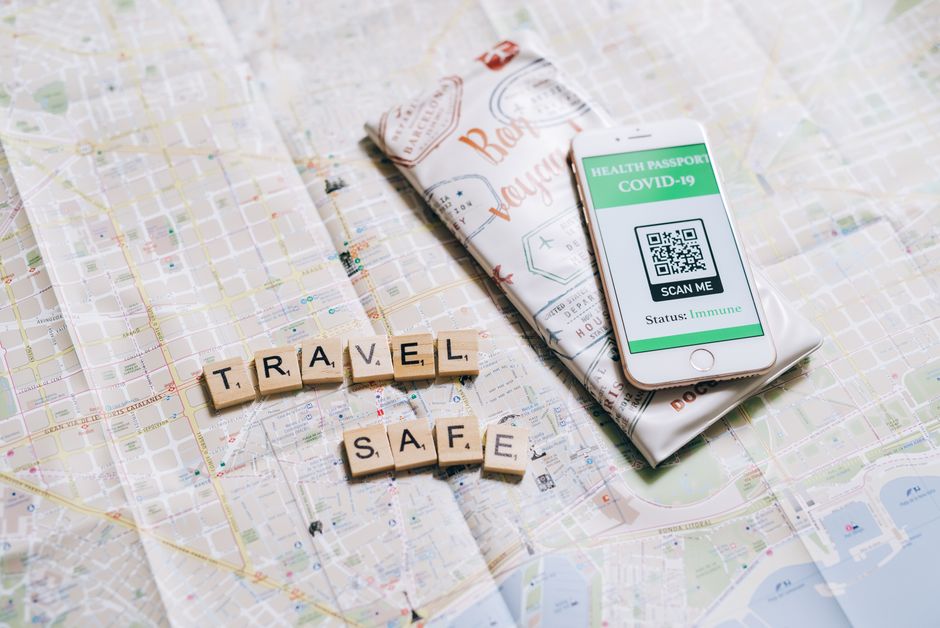
A common misconception is that your pet’s rabies vaccine record is the only document you need for international travel. It isn’t. Not even close. In 2026, border agents reject pets for missing endorsement stamps, incorrect microchip placement, and titer tests drawn 5 days too early. The paperwork isn’t hard. It’s just precise. And precision has a timeline.
This guide covers the exact documents, the order to get them, the deadlines that matter, and the mistakes that cost travelers $500–$2,000 in rebooking fees and quarantine boarding. No products. No affiliate links. Just the document workflow.
1. The Document Stack: What You Actually Need
Different countries have different rules, but the core stack is consistent. If you’re flying from the US to the EU, the UK, Australia, Japan, or most of Latin America, you’ll need these five items. Missing one doesn’t mean a delay. It means your pet doesn’t board.
ISO 11784/11785 Microchip — The First Domino
Your pet must have an ISO 11784/11785 compliant 15-digit microchip. Not a 9-digit Avid chip. Not a 10-digit FECAVA chip. The 15-digit ISO standard. This matters because the rabies vaccine only counts if it’s administered after the microchip is implanted. If your dog got vaccinated in March, then microchipped in June, the vaccine is considered invalid for international travel. You’d need to re-vaccinate. Check the chip number with a universal scanner before booking anything.
Rabies Vaccination Certificate
This is the document everyone thinks they have. But the certificate must show the microchip number, the vaccine manufacturer, the serial number, the lot number, the vaccination date, and the veterinarian’s signature. A generic receipt from a vet visit does not count. The vaccination must be at least 21 days old before travel, but not more than 1–3 years old depending on the destination. The EU accepts 3-year vaccines. Japan accepts 2-year vaccines. Check the destination’s specific window.
International Health Certificate (IHC)
This is the big one. In the US, the USDA APHIS Form 7001 is the standard international health certificate. Your vet fills it out, then it must be endorsed by the USDA APHIS office. This endorsement is not optional. An unendorsed health certificate is the #1 reason pets get denied at check-in. The endorsement can be done electronically via the USDA’s VEHCS system, which is faster than mailing paper forms. The health certificate is valid for 10 days from the date of endorsement. Not from the vet visit. From the USDA endorsement date. If your flight gets delayed past that window, you need a new certificate.
Rabies Titer Test (FAVN) — For Specific Countries
If you’re traveling to Japan, Australia, New Zealand, Singapore, or the EU from a non-listed country, you’ll need a rabies titer test. This is a blood test that proves the vaccine actually worked. The blood draw must happen at least 30 days after the rabies vaccination, and the result must be at least 0.5 IU/ml. The test must be processed at an approved lab — Kansas State University in the US, or the EU-approved labs. Results take 4–8 weeks. Japan requires a 180-day waiting period after the blood draw before entry. Australia requires 180 days too. This is not a fast process.
Import Permit — Country-Specific
Some countries require an import permit issued before you travel. Australia, New Zealand, and Singapore all do. The permit application must include the microchip number, vaccine records, and titer test results. Processing takes 2–6 weeks. You cannot apply for the permit after you’ve booked flights — the permit number is required on the airway bill.
2. The Timeline: When to Start Each Document

Here’s the problem. People start this process 3 weeks before a trip. That’s too late. The rabies titer test alone can eat 8 weeks. The full timeline for a country like Japan or Australia is 7–8 months. For the EU, it’s 3–4 months if you start from scratch.
| Timeline Before Travel | Action | Cost Range | Notes |
|---|---|---|---|
| 7–8 months out | ISO microchip implant + rabies vaccination | $50–$150 | Vaccine must be after chip. Confirm chip number. |
| 6 months out | Rabies titer test (FAVN) blood draw | $150–$300 | Must be 30+ days after vaccine. Use approved lab. |
| 4–5 months out | Apply for import permit (if required) | $100–$500 | Australia, NZ, Singapore, Japan. |
| 3 months out | Book flights with pet-friendly airline | Varies | Confirm pet cargo or cabin policy. |
| 10–14 days out | Vet visit + USDA APHIS endorsement | $200–$400 | Health certificate valid 10 days from endorsement. |
| 3–5 days out | Confirm all documents with airline | Free | Send copies ahead. Bring originals. |
The most common failure mode: people get the health certificate at the vet 14 days before travel, then the USDA endorsement takes 5 days to process, and by the time they fly the certificate is past the 10-day validity window. The fix is simple. Vet visit at day 10. USDA endorsement within 48 hours. Travel within the window.
3. Country-Specific Gotchas That Cause Denials
This section is short. It’s the list of things that don’t show up on generic checklists.
- EU from the US: The EU requires a non-commercial movement declaration if you’re traveling with fewer than 5 pets. It’s a one-page form that says you’re not selling the animal. No one mentions this. Border agents ask for it.
- UK: The UK no longer accepts the EU Pet Passport for pets from the US. You need the Animal Health Certificate (AHC) instead. The AHC is valid for 10 days for entry, but valid for 4 months of onward travel within the UK. Different validity windows for different purposes.
- Australia: Requires a pre-export quarantine period of at least 10 days in an approved country before arrival. You can’t fly directly from the US. You have to stage through a country like New Zealand or Singapore.
- Japan: Requires advance notification to the Animal Quarantine Service at least 40 days before arrival. Not 39 days. 40. The form is in Japanese. Use a pet relocation agent or you will make mistakes.
- Mexico and Canada: Much simpler. Mexico requires a health certificate and proof of rabies vaccine. Canada requires a rabies certificate. No titer test. No import permit. This is why many travelers fly into Mexico or Canada and drive across the US border instead of flying directly into a strict country.
If you’re traveling to a country with strict import rules, a pet relocation agent costs $1,000–$3,000 and handles the paperwork. That’s not a product recommendation. It’s a cost-benefit decision. For Australia, the DIY route has a high failure rate. For the EU, you can do it yourself if you follow the timeline.
4. The Paperwork Mistakes That Cost the Most Money

I’ve seen the same mistakes repeated. Here’s the list, with the financial damage.
Mistake #1: Microchip number doesn’t match across documents. The chip number on the vaccine certificate must match the health certificate must match the titer test must match the import permit. One digit off? Denied. The airline doesn’t check this. The destination country’s quarantine service does. Cost to fix: re-vaccination, new titer test, new permit. $500–$1,000 and 2–6 months.
Mistake #2: Using a non-USDA-accredited vet. Any vet can fill out Form 7001. But only a USDA-accredited veterinarian can submit it electronically for endorsement. Non-accredited vets produce paperwork that gets rejected by the USDA. Check the accreditation before the appointment.
Mistake #3: Assuming the airline checks documents. Airlines check that you have documents. They do not verify that the documents are correct for the destination country. You can board the plane with wrong paperwork and get denied at arrival. Then you pay for return cargo or quarantine. This is a $2,000+ mistake.
Mistake #4: Translating documents yourself. Some countries require documents in their language. Japan requires Japanese. Germany requires German. Use a certified translator. A self-translated document gets rejected. Cost: $50–$150 per document for certified translation.
The fix for all of this is the same: check the destination country’s official government website for pet import requirements. Not a blog. Not a forum. The actual government agriculture department. The USDA APHIS website has a country lookup tool. Use it.
5. What You Should Do Right Now

Here’s the compressed verdict. If you’re planning international pet travel in 2026, the document process is not a last-minute task. It’s a 4–8 month project. The specific order matters: microchip first, vaccine second, titer test third, import permit fourth, health certificate last. Any other order creates rework.
For the EU, the DIY route is manageable if you start 3 months out and use a USDA-accredited vet. For Japan, Australia, New Zealand, or Singapore, hire a pet relocation agent. The $1,500–$3,000 fee is cheaper than a failed titer test, a 180-day quarantine, or a denied entry that costs $4,000 in return flights and boarding.
Print three copies of every document. Keep one set with you, one set attached to the carrier, one set in your checked bag. Digital copies on your phone are a backup, not a replacement. Border agents want paper.
This is not financial advice. But it is practical advice. The document stack is not complicated. It’s just unforgiving. Start early. Check the official government source. And don’t assume your vet knows the destination country’s rules — they don’t. You have to.
Related Post

Eating Out Safely When Traveling With Dogs: Cafe And Street Food Habits
Pet-friendly trips often include outdoor tables, markets, and food stops, so owners need a safe [...]
Best Cat Litter Australia: The Australian Cat Owner’s Guide to Choosing Cat Litter That Works
I travel a lot. Between weekend trips and longer stints away, I need cat care [...]