7-Day Iceland Ring Road Itinerary: The Real Route, Costs, and What Actually Goes Wrong
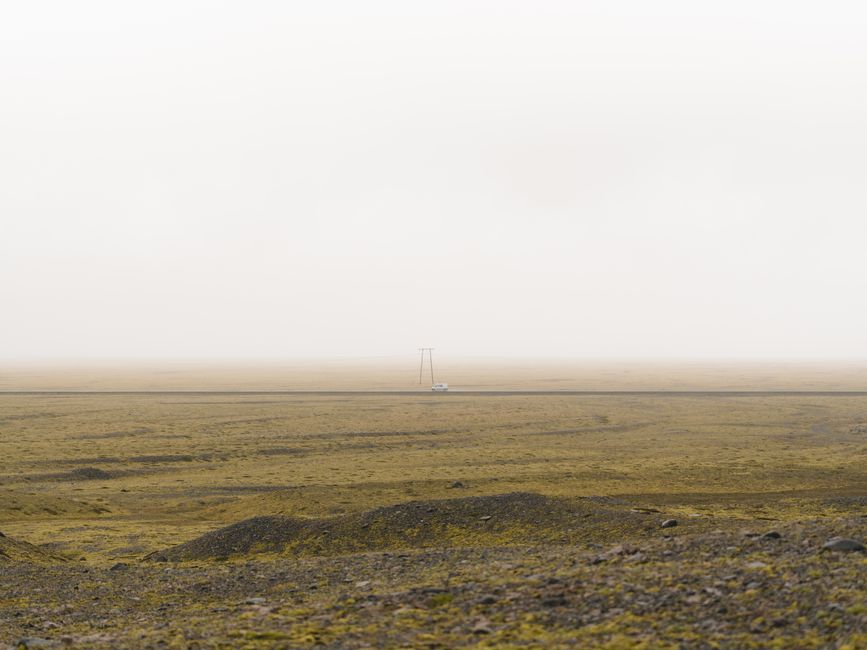
Seven days is the minimum for the Ring Road. Not the comfortable minimum. The actual minimum. You’ll drive 1,332 kilometers (828 miles) in a week. That’s roughly the same as driving from New York to Chicago and back, except with sheep in the road, one-lane bridges, and weather that changes four times before lunch.
This itinerary works for summer 2026. Not winter. If you’re going between October and April, close this tab and book a Reykjavik-based trip instead. The Ring Road in winter is a different animal entirely.
Here’s the route, the real drive times, where to sleep, and the mistakes that send people home early.
The Daily Breakdown: Where You’ll Actually Be Each Night
Most Ring Road itineraries online are written by people who’ve never driven it. They’ll tell you to do the Golden Circle and drive to Vik on day one. That’s six hours of driving plus stops. You’ll arrive at 9pm, exhausted, and hate the next day.
Here’s a realistic split. It front-loads the driving on days when you’re still fresh and keeps the last two days lighter.
| Day | Route | Drive Time | Sleep In | Non-Negotiable Stop |
|---|---|---|---|---|
| 1 | Keflavik → Golden Circle → Selfoss | 4 hrs | Selfoss or Hella | Gullfoss |
| 2 | Selfoss → Seljalandsfoss → Skogafoss → Vik | 2.5 hrs | Vik | Skogafoss (climb the stairs) |
| 3 | Vik → Skaftafell → Jokulsarlon → Hofn | 4.5 hrs | Hofn | Jokulsarlon at sunset |
| 4 | Hofn → East Fjords → Egilsstadir | 4 hrs | Egilsstadir | Stokksnes (if weather holds) |
| 5 | Egilsstadir → Myvatn → Akureyri | 3.5 hrs | Akureyri | Hverir geothermal area |
| 6 | Akureyri → Snaefellsnes Peninsula | 5 hrs | Grundarfjordur | Kirkjufell |
| 7 | Snaefellsnes → Reykjavik | 3 hrs | Reykjavik | Blue Lagoon or Sky Lagoon |
Day 6 is the long one. Five hours of driving plus the Snaefellsnes loop adds another two. That’s a seven-hour day. You can skip Snaefellsnes entirely if you’re drained and save it for another trip. But then you’ve missed the most underrated part of Iceland.
What Actually Goes Wrong: The Four Trip-Killers
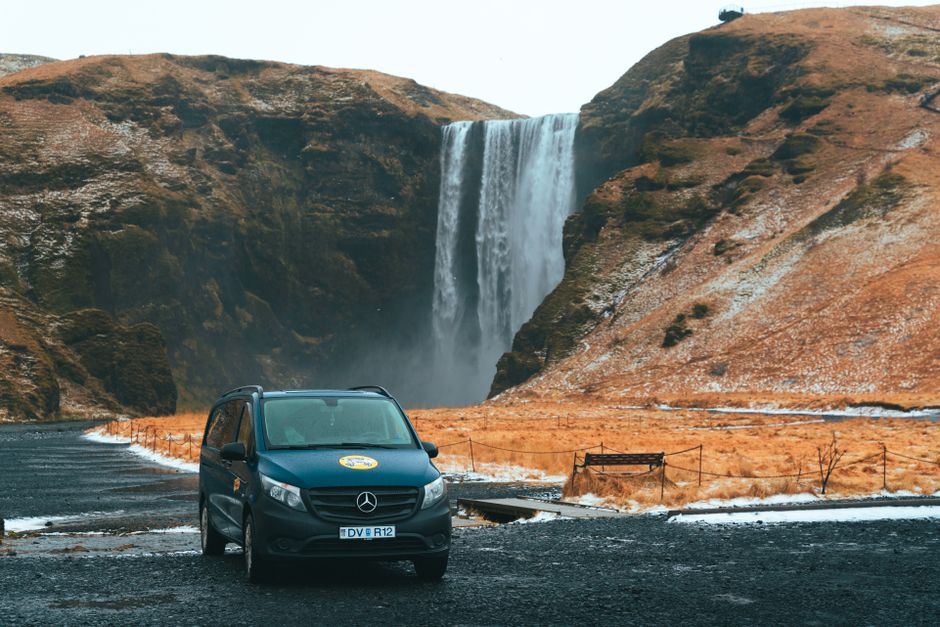
Every failed Ring Road trip I’ve heard about comes down to one of these four things. Not the weather. Not the cost. These.
1. Booking the wrong car
You do not need a 4×4 in summer. The entire Ring Road is paved. But you do need a car with enough space for your luggage and enough power for the mountain passes in the East Fjords. A Toyota Yaris will do it, but you’ll hate the climbs. A Kia Sportage or similar compact SUV is the sweet spot. Book through Lotus Car Rental or Blue Car Rental. Both have good reputations for not screwing people on insurance.
Get the full insurance. Every single coverage. Iceland’s gravel roads and wind-blown sand will chip your paint and crack your windshield. The insurance costs roughly $30-40 per day. A new windshield costs $1,000. Do the math.
2. Underestimating food costs
Iceland is expensive. A basic burger and fries in Vik runs $25. A sit-down dinner for two with a beer each? $80-100. If you try to eat every meal at restaurants, you’ll spend $150+ per day per person on food alone.
The fix: hit Bonus or Kronan supermarkets in Selfoss, Vik, Egilsstadir, and Akureyri. Stock the car with skyr, bread, cheese, salami, and fruit. Eat breakfast from the car. Eat one restaurant meal per day. This cuts your food budget in half.
3. Ignoring the wind
Icelandic wind is no joke. It can rip a car door off its hinges if you open it facing the wrong way. Always park facing into the wind. Always hold the door handle when you open it. This sounds paranoid until you see a rental car with a door bent backward at a gas station in Vik.
4. Booking every single night in advance
Summer 2026 will be busy. But booking every night locks you into a schedule that weather will definitely break. Book the first two nights and the last night. Leave the middle flexible. Use Booking.com or Airbnb the afternoon before you arrive somewhere. In July, you’ll still find rooms in most towns except Vik and Hofn. Those two, book ahead.
The Stops Worth Your Time (and the Ones to Skip)
You cannot see everything in seven days. Anyone who tells you otherwise is lying or has never done the drive. Here’s the honest ranking.
Worth every minute:
- Skogafoss — climb the 527 steps to the top. The view down the valley is better than the waterfall itself.
- Jokulsarlon glacier lagoon — go at 10pm in summer. The light is unreal and the tour buses are gone.
- Hverir geothermal area near Myvatn — otherworldly. It smells like rotten eggs. You’ll get used to it in five minutes.
- Kirkjufell — the most photographed mountain in Iceland for a reason. Go at midnight for the softest light.
Skip without guilt:
- The Blue Lagoon on day one. Do Sky Lagoon in Reykjavik on day seven instead. Cheaper, less crowded, better view.
- Dettifoss if you’re on day five and already tired. It’s a 45-minute detour on a rough gravel road. The waterfall is impressive but not worth the time when you still have Akureyri to reach.
- The plane wreck at Solheimasandur. It’s a 4km walk each way on flat black sand. You’ll see a plane. That’s it.
Budget Reality Check: What This Trip Costs Per Person
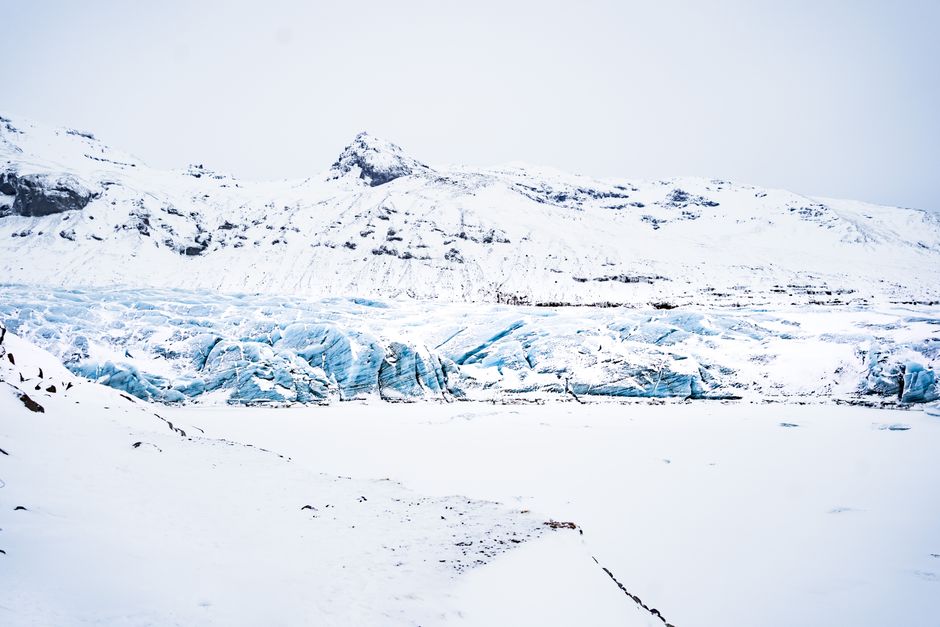
Iceland is not a budget destination. Anyone who says you can do the Ring Road for under $100 per day is either camping in a tent or not eating. Here’s a realistic mid-range budget for July 2026, per person, based on two people sharing a car and a room.
| Category | Cost Per Day (USD) | Notes |
|---|---|---|
| Car rental + insurance | $90-120 | Split between two people |
| Fuel | $30-40 | Gas is ~$8.50/gallon |
| Accommodation | $70-110 | Guesthouse or budget hotel, shared room |
| Food (one restaurant meal) | $50-70 | Includes supermarket breakfast and lunch |
| Activities | $20-30 | Parking fees, one paid activity |
| Total | $260-370 | Per person per day |
For seven days, budget $1,800 to $2,600 per person excluding flights. Flights from the US East Coast run $400-700 round trip in summer. From the West Coast, $600-900.
Camping cuts the accommodation cost to near zero, but then you’re sleeping in a tent in Iceland. In July, the average low is 8°C (46°F). It rains 15-18 days per month. You decide if that’s worth saving $70 a night.
Packing: The Only Gear That Matters
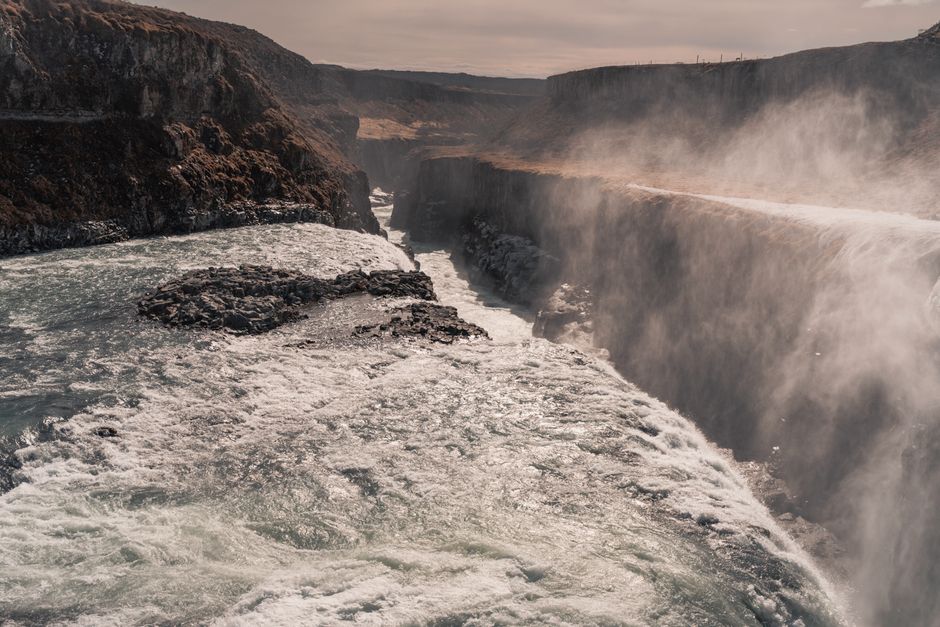
You do not need hiking boots for the Ring Road. You need waterproof everything. Iceland’s summer weather is a cycle of drizzle, sun, wind, and sudden downpour. All in one hour.
The non-negotiables:
- A proper rain jacket. Not a water-resistant windbreaker. A real rain shell. The Patagonia Torrentshell 3L ($179) is the standard for a reason. The Marmot PreCip Eco ($100) works if you’re on a tighter budget.
- Waterproof pants. You’ll think you don’t need them until you’re standing behind Seljalandsfoss getting soaked.
- A power bank. You’ll be using your phone for navigation, photos, and booking rooms. The Anker PowerCore 20000 ($40) keeps you charged through a full day of driving and shooting.
- A sleep mask. In July, it doesn’t get dark. Civil twilight lasts from midnight to 3am. If you need darkness to sleep, bring a mask or you will not sleep.
Skip the DSLR if you’re not a photographer. A recent phone handles Iceland’s landscapes fine. Skip the drone unless you’ve checked local rules — most major waterfalls ban them outright.
One more thing. Bring a reusable water bottle. Icelandic tap water is the best water you’ll ever taste. Free. Everywhere. Buying bottled water in Iceland is the fastest way to mark yourself as a tourist who didn’t do the reading.
That’s the route. That’s the budget. That’s what goes wrong. Now go book the car and the first two nights. The rest you figure out on the road.
Related Post
Bangkok Co-Working Spaces Long Stays: Bangkok Co-working Spaces for Long Stays: What Actually Holds Up After Week Three
Bangkok has over 150 co-working spaces, but fewer than 20 of them survive a three-week [...]
Best Bird Cage Brands: Bird Cage Brands That Are Actually Worth Buying
A budgie placed in a cage with zinc-coated bars can develop heavy metal toxicity within [...]