Winter Feeding for Dogs: Adjusting Portions When Walks Get Shorter
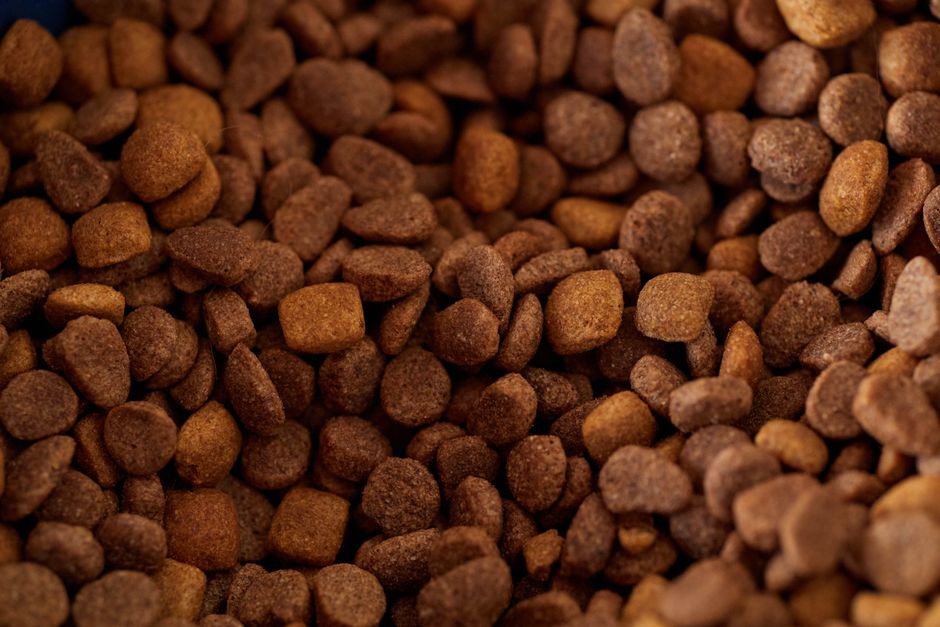
Shorter winter walks can lower a dog’s daily energy burn, but cold weather may raise energy needs for dogs that spend a lot of time outside. The safest plan is to measure food, track body shape, and make small changes only when the evidence points to weight gain.
Set a calorie baseline before changing the bowl
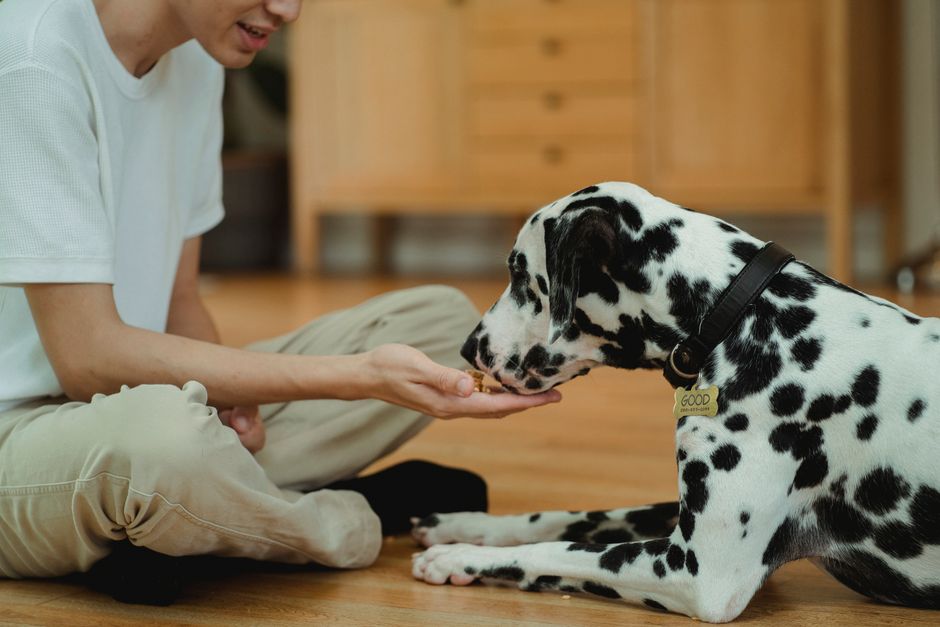
The label on the food bag gives you a starting point, not a guaranteed serving. Different dry foods can vary by more than 100 calories per measuring cup, so removing half a cup from one formula can remove far more energy than removing half a cup from another.
Compare the energy density on real dog foods
| Dog food | Listed energy | Useful winter planning detail |
|---|---|---|
| Purina Pro Plan Adult Sensitive Skin & Stomach Salmon & Rice Formula | 401 kcal per cup | One cup supplies a high calorie load, so small cup changes matter. |
| Hill’s Science Diet Adult Perfect Weight Chicken & Brown Rice Recipe | 298 kcal per cup | A full cup contains fewer calories than the Purina example. |
| Royal Canin Medium Adult Dry Dog Food | 340 kcal per cup | The label provides separate low-, medium-, and high-activity amounts. |
These values are examples from manufacturer labels. Check the exact bag in your home because recipes, package sizes, and calorie statements can change. Use the calorie figure for the food you actually serve, not a number copied from a different flavor or life-stage formula.
Convert the label into a measured daily portion
Start with the manufacturer’s amount for your dog’s ideal weight and activity level. If the bag lists cups and grams, use the gram figure. A kitchen scale gives a repeatable portion when kibble pieces vary in size or settle differently in a cup. Split the daily amount between two meals if your dog is used to breakfast and dinner, then remove training treats from the same daily calorie budget.
For a 50-pound adult dog eating 2 cups of a 401-kcal food, the daily total is about 802 kcal. A 10 percent reduction removes roughly 80 kcal, or about 0.2 cup of that food. The same cup reduction from a lower-calorie formula would not produce the same change.
Follow this seven-day winter portion adjustment routine
Small changes are easier to evaluate than a sudden diet cut. Use the following routine for a healthy adult dog whose walks have become shorter but whose weight has not changed dramatically.
Make one controlled change at a time
- Weigh food in grams for three normal days before changing anything. Record the morning and evening amounts, chews, table scraps, and training treats.
- Measure the dog’s weight on the same scale, preferably before breakfast. If your dog will not stand still, weigh yourself, then weigh yourself while holding the dog and subtract the first number.
- Keep the current portion steady for seven days if the ribs, waist, and weight still look right. A shorter walk does not automatically require a reduction.
- If weight is slowly rising and the dog remains indoors most of the day, reduce the daily food amount by 5 percent. Divide that reduction across both meals.
- Hold the new amount for another 10 to 14 days. Do not cut again after only two meals because gut contents and water can move the scale.
Keep exercise changes separate from food changes
Replace lost walking time with indoor movement when the weather allows. Five-minute scent games, hallway recalls, food puzzles, and controlled tug sessions can add activity without sending your dog onto unsafe ice. Use part of the measured meal for these games instead of adding extra treats.
Do not force a dog through painful snow, salt, or frozen ground to justify the usual portion. Clean and dry the paws after outdoor trips, and watch for limping, shivering, or reluctance to move. The goal is a safe winter routine, not a perfect step count.
How to tell if the new portion is working
What should happen after one to two weeks?
The best result is a stable weight with the same easy-to-feel ribs and visible waist. If your dog was gaining slowly, the scale should stop climbing before you expect a dramatic loss. A sudden drop in weight, unusual hunger, weakness, vomiting, diarrhea, or a major change in thirst needs a veterinary call rather than another food cut.
Which measurement matters most?
Use three checks together: weekly body weight, weekly body shape, and a daily food log. A dog can weigh the same while gaining muscle or losing muscle, so the ribs and waist still matter. If the weight rises for two checks and the waist looks rounder, reduce the measured daily calories by about 5 percent and reassess after 10 to 14 days; if the dog stays lean and active, keep the portion steady.
How should treats fit into the calculation?
Treat calories count even when the treat is small. A few pieces of cheese, a dental chew, and scraps from dinner can erase a careful kibble reduction. Reserve a portion of the daily food for training, or use low-calorie pieces such as chopped cucumber only if your veterinarian has confirmed they suit your dog. Never use treats to compensate for a missed walk without reducing the main meal.
Winter feeding mistakes that cause avoidable weight gain
Most winter portion problems come from inconsistent measuring, not from a mysterious seasonal change in metabolism.
Fix these common errors
- Using a heaped cup: Fill the same level cup each time, or better, weigh the food. A heaped cup can add a surprising amount of kibble over two meals.
- Cutting food because the dog begs: Cold, boredom, and a changed routine can increase begging without increasing calorie needs. Offer a sniffing game or a measured chew instead of automatically adding dinner.
- Changing food and portion together: A new recipe may contain a different number of calories per cup. Change one variable at a time so you can see what caused the weight change.
- Ignoring wet food toppers: A spoonful of wet food, gravy, oil, or meat can add calories that never appear in the dry-food cup.
- Using the puppy or active-dog chart for a sedentary adult: Feeding tables often show several activity levels. Choose the closest honest description of your dog’s current routine.
- Making a large cut after one weigh-in: Water, stool, and meal timing can move body weight from one day to the next. Look for a trend.
When not to reduce food at home
Do not make an unsupervised calorie cut for a puppy, pregnant or nursing dog, underweight dog, dog with diabetes, or dog on a prescription diet. Older dogs with muscle loss also need more than a simple scale reading. A lower number on the bag is not automatically safer if the new food fails to provide the nutrients your dog needs.
For an adult dog that is already overweight, a veterinary weight-loss plan is the better choice. The vet can set a target weight, check for pain that limits movement, and choose a food with enough protein and nutrients for controlled loss.
Choose the feeding method that matches your dog

My recommendation: measure the food in grams and adjust only after a two-week trend. That method works better than switching foods every time the weather changes because it keeps the calorie change visible and small.
When a standard maintenance food is the right choice
If your dog keeps a healthy body shape on the current food, stay with it and change the portion only when the measured trend supports it. Purina Pro Plan Adult Sensitive Skin & Stomach Salmon & Rice Formula lists 401 kcal per cup, so a small reduction can make a meaningful difference. Royal Canin Medium Adult lists 340 kcal per cup and gives activity-based feeding amounts, which can help owners compare a low-activity winter routine with a more active one.
When a weight-management food makes more sense
If your dog repeatedly gains weight despite accurate portions, ask your veterinarian about a weight-management formula instead of simply shrinking a standard diet. Hill’s Science Diet Adult Perfect Weight Chicken & Brown Rice Recipe lists 298 kcal per cup and provides separate weight-loss and weight-management feeding amounts. It may offer more bowl volume at a lower calorie density, but it is not intended for puppies or pregnant or nursing dogs.
Keep the food change gradual over about seven days unless your veterinarian gives different instructions. The most important winter feeding rule is simple: measure the portion, watch the body shape, and change calories only when the trend shows that shorter walks are changing your dog’s weight.
Medical Disclaimer: This content is for informational purposes only and does not constitute medical advice. Always consult a qualified healthcare professional before making health-related decisions.
Related Post
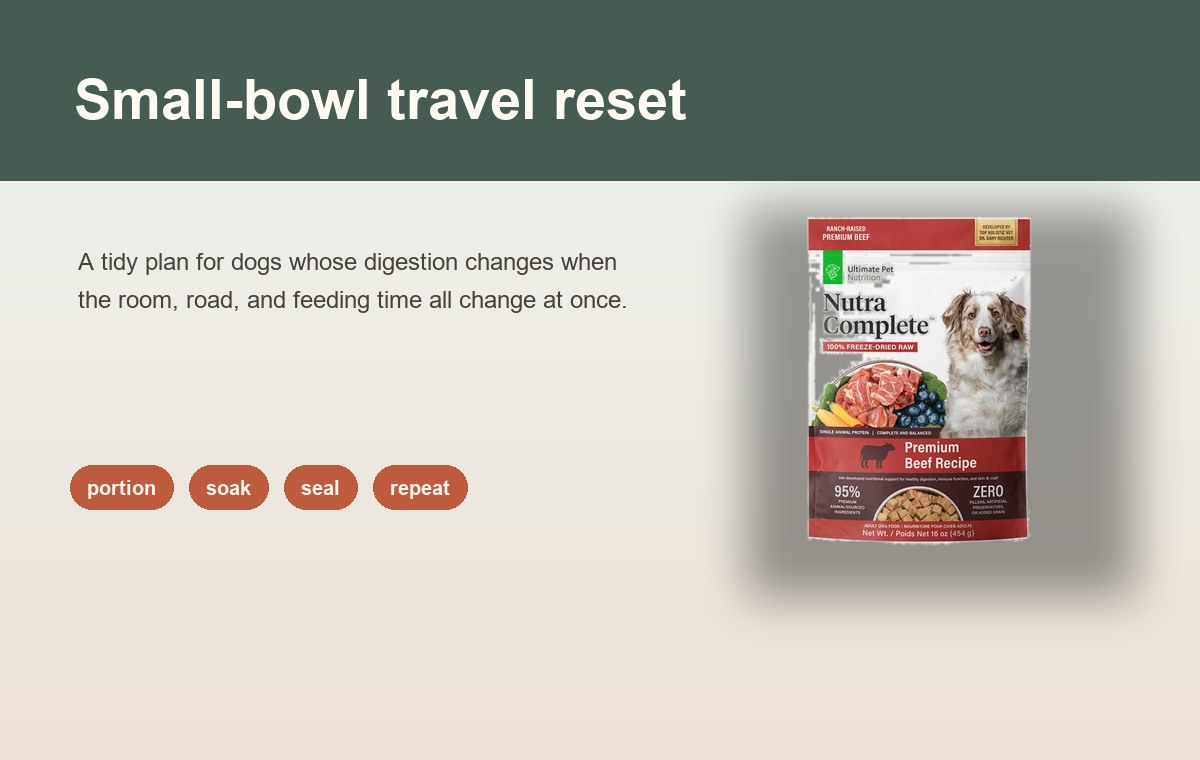
Build a Small-Bowl Travel Kit for Sensitive Dogs
A dog does not need to be fragile to have a sensitive travel stomach. A [...]
Can Cats Eat Yams? Vet-Approved Nutrition Facts
Yams are a big part of meals in autumn and winter. As you prepare for [...]