Why Cats Knead: What the Behavior Means and When to Worry
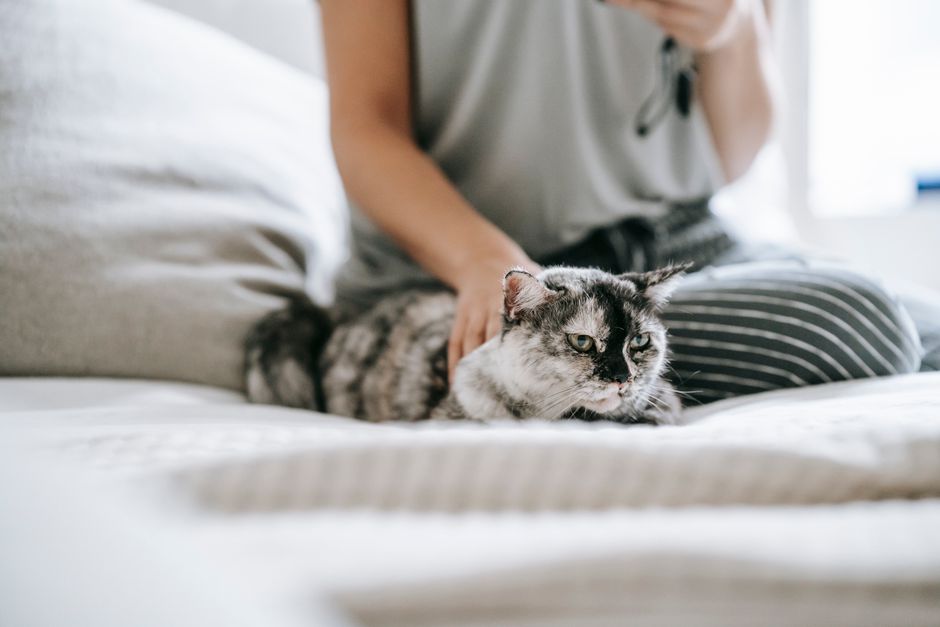
A kitten can start kneading while it is still nursing and before it can see clearly. That tiny paw movement helps push milk toward the nipple, then often follows the cat into adulthood as a comfort ritual.
I have lived with cats that knead blankets, sofa cushions, my stomach, and one very unfortunate wool sweater. Most of the time, “making biscuits” means the cat feels safe. The part people miss is the change in context. Kneading on your lap while purring is very different from kneading under the bed while refusing food.
The quickest way to understand it is to watch the whole cat, not just the paws. Look at the location, body position, claws, appetite, movement, and what happens before and after the behavior. That pattern tells you far more than kneading alone.
Why do cats knead in the first place?
Kneading begins as a nursing reflex
Kittens press their front paws against their mother’s abdomen during nursing. The alternating left-right motion helps stimulate milk flow, and the rhythm becomes linked with warmth, food, and close contact. An adult cat does not knead because it still thinks your blanket is its mother. It repeats a movement that once helped create a strong feeling of safety.
That early connection explains why many cats knead just before sleep. They may circle twice, sniff the blanket, press their paws for thirty seconds, and then collapse into a nap. The behavior works like a familiar bedtime routine. Some cats also drool, purr loudly, or suck on fleece during the process. Those habits can look odd, but they usually point to comfort rather than a problem when the cat otherwise acts normally.
It can also prepare a resting place
Wild cats and outdoor cats often pat down grass, leaves, or loose material before resting. The movement may help flatten an uneven spot and check the area for sharp debris. Indoor cats have soft beds, but instinct does not disappear just because a cat has a heated apartment and a monthly toy subscription.
Kneading can also leave scent from glands around the paws. When a cat kneads a blanket or your lap, it may be adding a quiet ownership marker to a place that already feels familiar. This does not mean the cat is behaving aggressively or trying to dominate you. It means the resting area feels worth claiming.
Affection is part of the picture
A cat that kneads you has usually decided that you are a safe resting surface. That is a compliment, even when the claws make it feel like a small sewing machine is working on your ribs. Cats tend to reserve this relaxed behavior for people, animals, or places they trust.
My verdict is simple: calm kneading is usually a comfort behavior, not a warning sign. The meaning changes when the behavior appears suddenly, becomes frantic, or arrives with hiding, appetite loss, stiffness, or other changes in daily life.
How can you read kneading in context?
Use the whole-body checklist
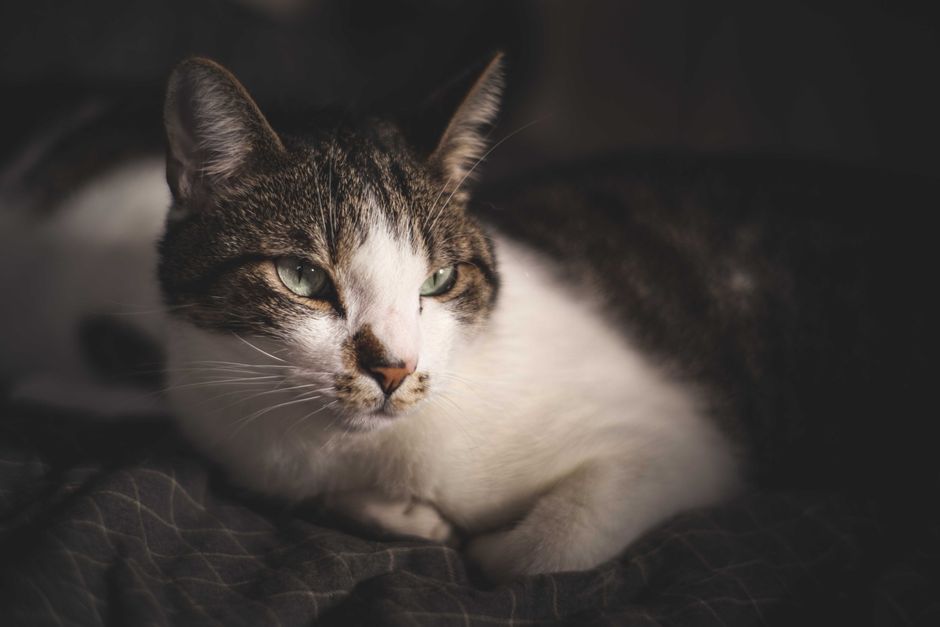
Do not diagnose a cat from paw movement alone. Start with the setting and the cat’s body language. A relaxed cat usually has loose shoulders, soft eyes, normal ears, and a body that settles into the surface. A worried or painful cat may keep lifting its head, shift position repeatedly, crouch tightly, flatten its ears, or leave before it can rest.
| Kneading pattern | Other signs | Most likely meaning | Best response |
|---|---|---|---|
| Slow paws on a lap or blanket | Purring, relaxed body, normal appetite | Comfort, affection, sleep routine | Let the cat continue or add a thick blanket |
| Short kneading before sleep | Stretching, grooming, then resting | Bed preparation and self-soothing | Leave the routine alone |
| Frantic kneading in a hidden spot | Hiding, reduced appetite, tense posture | Possible pain, stress, or illness | Call a veterinarian for advice |
| New kneading with repeated rising | Restlessness, difficulty jumping, stiffness | Possible discomfort in joints, back, or abdomen | Arrange a veterinary exam |
Location matters more than people think
The same paw motion means different things in different places. A cat kneading a sunny cushion in the open room is showing you one picture. A cat kneading beneath a bed, inside a carrier, or behind a toilet is showing you another. Cats often hide when they feel vulnerable, so an unusual location deserves attention even if the cat is purring.
Track the behavior for two or three days if the cat is otherwise eating, drinking, using the litter box, and moving normally. Write down the time, location, duration, and what happened afterward. A simple note such as “kneaded bathroom mat for five minutes, then hid and skipped dinner” gives a veterinarian useful information.
When can kneading signal pain or stress?
Can purring and kneading happen during pain?
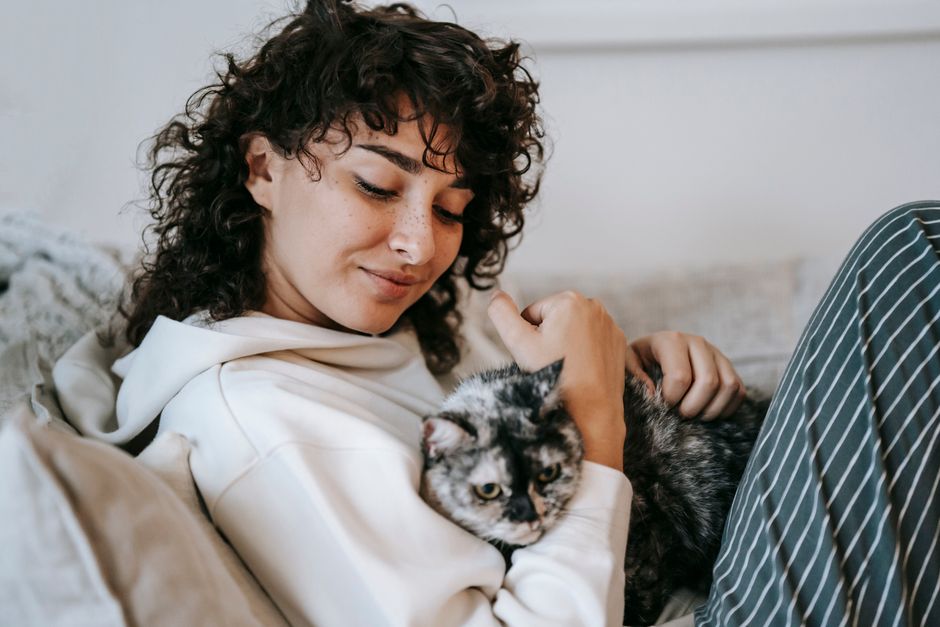
Yes. Purring does not prove that a cat feels well. Cats may purr while self-soothing, and some will knead when they are anxious or uncomfortable. The meaningful clue is a change from the cat’s normal routine. If your social cat suddenly kneads alone under furniture, stops climbing, or becomes difficult to touch, treat the full change seriously.
Watch for reduced appetite, vomiting, diarrhea, unusual vocalizing, hiding, limping, a hunched back, repeated trips to the litter box, or trouble settling into a lying position. Joint pain may show up as fewer jumps or stiff movement after rest. Abdominal or urinary problems may show up as restlessness, guarding the belly, or repeated litter-box visits. These signs need a veterinary conversation, not a new blanket.
What changes justify a prompt call?
Call your veterinarian promptly if kneading comes with not eating, marked lethargy, breathing trouble, repeated vomiting, obvious pain, straining to urinate, or a sudden inability to walk or jump normally. Urinary straining in a male cat can become an emergency, especially if little or no urine appears. Do not wait for the cat to cry. Cats often hide pain, and a quiet cat can still be very sick.
Stress can also change kneading. Moving house, a new baby, another pet, construction noise, or a different feeding schedule may push a cat toward repetitive comfort behaviors. In that case, offer a predictable room, familiar bedding, high resting places, and meals on a steady schedule. Do not force contact or carry the cat out of its hiding place unless safety requires it.
What should you record before the appointment?
Take a short video from a distance if you can do so without disturbing the cat. Record the cat’s appetite, water intake, litter-box use, walking, jumping, sleep, and grooming. Note when the kneading started and how long each episode lasts. A veterinarian can use those details to separate a harmless bedtime habit from a behavior change linked to illness.
My verdict here is firm: a new kneading pattern paired with another behavior change deserves medical attention. Do not use a pheromone product to cover up symptoms that could come from pain.
Which products help, and when should you skip them?
Buy the surface first
For ordinary kneading, the best tool is usually a surface the cat already likes. A washable fleece throw, folded towel, or low-sided bed costs less and creates less confusion than a shelf full of calming products. Put it where the cat already kneads, then wash it with unscented detergent. Strong fragrance can make the surface less attractive.
| Product | Approximate price | Best use | My verdict |
|---|---|---|---|
| KONG Naturals Cat Scratcher, Single | $7.48 | Flat scratching and paw activity | Best cheap add-on, not a true kneading bed |
| Frisco Foldable Covered Canopy Cat Bed | $20.29 | Private resting and kneading surface | Best for cats that knead in enclosed spaces |
| Feliway Classic 30 Day Starter Kit | Usually about $25 to $35 | Stress linked to environmental change | Useful only after medical causes are considered |
| K&H Pet Products Thermo-Kitty Bed | About $69.99 | Warm resting area for some older cats | Worth it for cold-sensitive cats, not normal kneading alone |
Know when not to buy anything
Do not buy a pheromone diffuser because a healthy cat kneads your lap. Do not buy a heated bed before checking that the cat can leave it easily and that the surface never becomes too hot. Do not buy a nail grinder if your cat already tolerates a simple clipper poorly. The Safari Deluxe Cat Nail Trimmer, usually around $10, is enough for many households when used slowly and carefully.
Products cannot explain a sudden behavior change. If the cat is hiding, losing weight, eating less, or moving stiffly, spend the money on a veterinary examination instead. For a healthy cat with painful claws, my clear pick is a thick washable blanket plus regular tip-only trims. For a stressed cat after a move, add a quiet room and a steady routine before trying Feliway. For an older cat that struggles to settle, the K&H bed can help, but comfort support should sit beside proper pain screening, not replace it.
The single most important takeaway is this: kneading usually means your cat feels safe, but a sudden change in where, how, or why it kneads is the reason to pay attention.
Medical Disclaimer: This content is for informational purposes only and does not constitute medical advice. Always consult a qualified healthcare professional before making health-related decisions.
Related Post
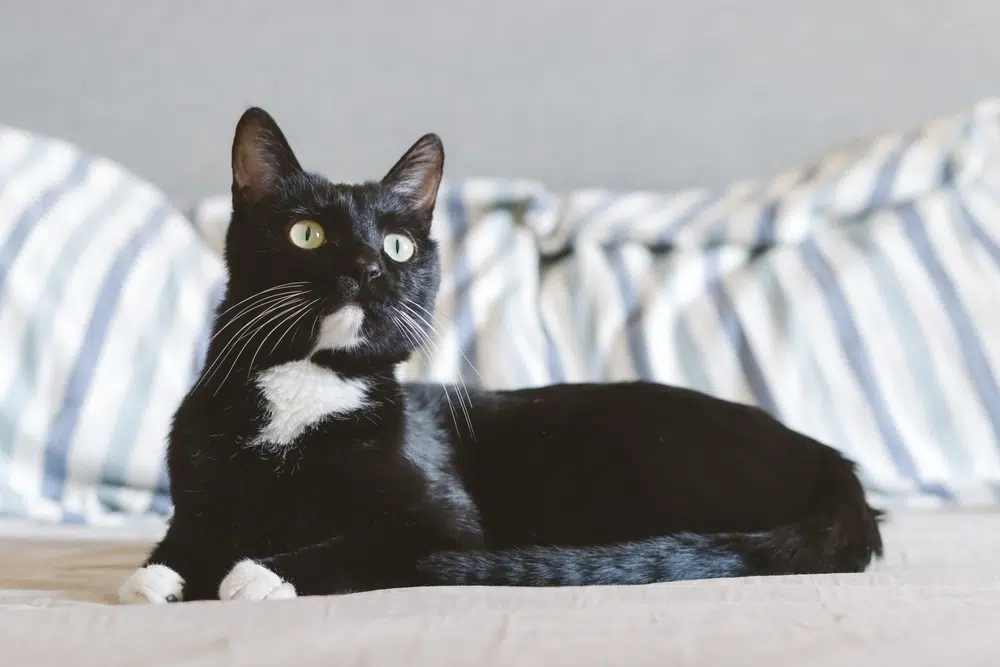
Why Do Cats Stare at Nothing? 5 Surprising Reasons
Experienced cat owners know that no matter how much we bond with and learn about [...]
How Long Do Cats Mourn the Loss of Another Cat? Feline Grieving Explained
It’s so silly for humans to think we’re the only ones with emotions. Not only [...]