Maine Coon Care: Grooming and Space Needs of a Gentle Giant
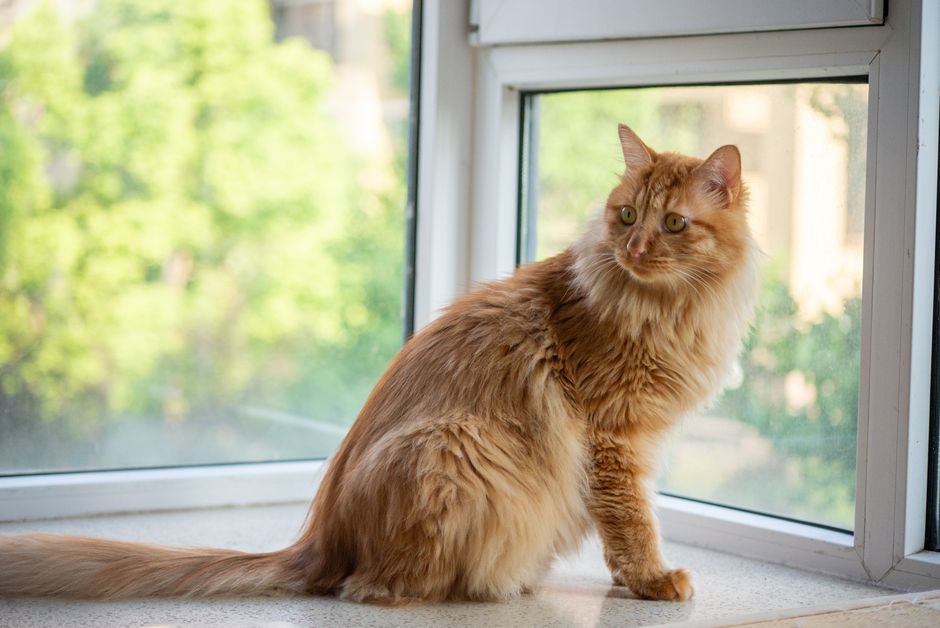
A Maine Coon does not need a mansion, but it does need room to move, a stable place to climb, and a grooming routine that prevents mats before they reach the skin. For most homes, the best setup is one large vertical structure, two quiet resting areas, a litter box sized for a long body, and three short grooming sessions each week.
This is not legal advice — consult a licensed attorney.
How Much Space Does a Maine Coon Need?
The practical question is not “How many square feet does a Maine Coon require?” No major veterinary rule assigns a fixed floor-area number to a cat. The better test is functional access: can the cat walk, stretch, climb, retreat, eat, drink, and use the litter box without crossing a busy pathway every time?
A useful home-space baseline
| Home type | Practical baseline | What to add |
|---|---|---|
| Studio or small apartment | About 400–600 square feet can work | One tall, anchored cat tree and two separate resting zones |
| One-bedroom apartment | About 600–900 square feet offers easier separation | A climbing route, quiet room access, and a large litter area |
| House | Most layouts work if resources are spread out | At least two activity areas and several escape paths |
What matters more than floor area
Vertical territory often matters more than an unused corner of floor. A 72-inch cat tree gives a Maine Coon a lookout point, while a narrow shelf route lets the cat move above dogs, children, or guests. The structure must support the cat’s full weight without rocking. A platform that feels unstable can make a large cat avoid the entire setup.
Place food and water away from the litter box, and keep the litter box out of a dead-end closet. A Maine Coon’s long tail and broad body also make standard covered boxes cramped. The clearest verdict is simple: a smaller home can suit this breed when it offers height, choice, and safe movement; a larger home fails when it provides no usable territory.
What Does Maine Coon Grooming Actually Require?
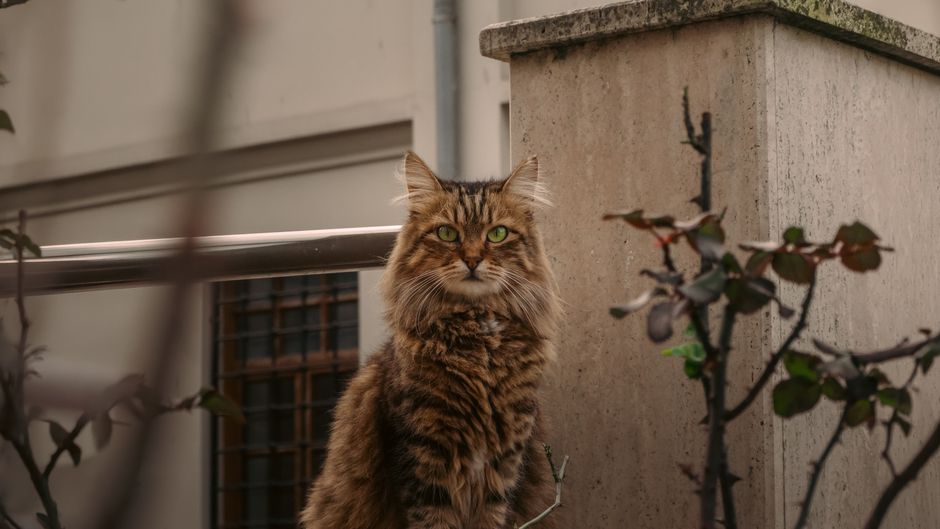
Maine Coon grooming is a maintenance task, not a show-ring ritual. The breed’s long coat can collect loose undercoat, litter dust, food, and moisture around the chest, belly, trousers, and tail. A short routine prevents a long struggle later.
A workable weekly routine
- Check the coat every day. Spend 30 seconds feeling behind the front legs, under the collar area, around the armpits, and beneath the tail. Small knots are easier to separate than compact mats.
- Brush three times per week. Use a slicker brush with light strokes, then follow with a metal comb. Work in sections instead of dragging a brush across the entire coat.
- Comb the problem zones. The belly, rear legs, chest ruff, and tail need more attention than the back. Stop when the cat becomes tense, and resume after a short break.
- Trim nails every two to four weeks. Long nails can catch in blankets, damage furniture, and make climbing less secure.
- Check ears and paws weekly. Look for wax buildup, redness, debris, or hair packed between the toes. Do not push cotton swabs deep into the ear canal.
Tools that match a long coat
The Chris Christensen Big G Cat Carder is a firm slicker-style brush often chosen for dense, long coats; its long pins reach farther into the coat than a shallow brush. The Safari Self-Cleaning Slicker Brush is a simpler budget option with a push-button cleaning feature. For cats that dislike wire pins, the KONG ZoomGroom Cat Brush uses flexible rubber teeth and works best for surface hair and short sessions, not deep mat removal.
Never cut a tight mat with household scissors. Cat skin can pull upward into the knot, placing the skin directly in the cutting path. A professional groomer or veterinary team is the safer choice when the mat sits close to the body, smells bad, contains moisture, or causes the cat to bite during handling.
The Best Maine Coon Home Setup Is Vertical, Stable, and Boring
My strongest recommendation is to spend less on decoration and more on stability. A Maine Coon does not need a room filled with novelty toys. It needs a predictable territory that can hold a large body during a jump, support a full stretch, and provide a retreat when the household becomes loud.
Build a three-level route
Start at floor level with a scratching surface and a bed. Add a middle platform near a window or quiet wall. Finish with a high perch that has a wide landing area rather than a small round hammock. The route should not force the cat to leap from the highest point directly to the floor. A lower step reduces impact on older joints and gives a cautious cat an exit.
Anchor tall furniture to a wall stud or use the manufacturer’s anti-tip hardware. Place heavy items on the bottom shelf. Test every platform by pressing down with both hands before allowing the cat to climb. A structure that shifts under adult human pressure is not suitable for a Maine Coon.
Protect movement and sleep
Keep a clear path between sleeping areas, water, food, and the litter box. Do not put the litter box beside a washing machine, furnace, or dog feeding station if the cat has another option. Many cats avoid boxes when sudden noise or competition surrounds them.
Offer at least two sleeping locations: one exposed perch for observation and one covered or partly shielded place for retreat. This setup supports normal feline choice. It also reduces conflict because the cat can leave a room without squeezing past a person or another animal.
For a Maine Coon, the winning design is a calm, anchored climbing route with wide platforms, clear exits, and sleeping choices. Extra furniture has little value when the cat cannot use it without being startled or crowded.
Maine Coon Grooming Mistakes Cause Most Preventable Problems
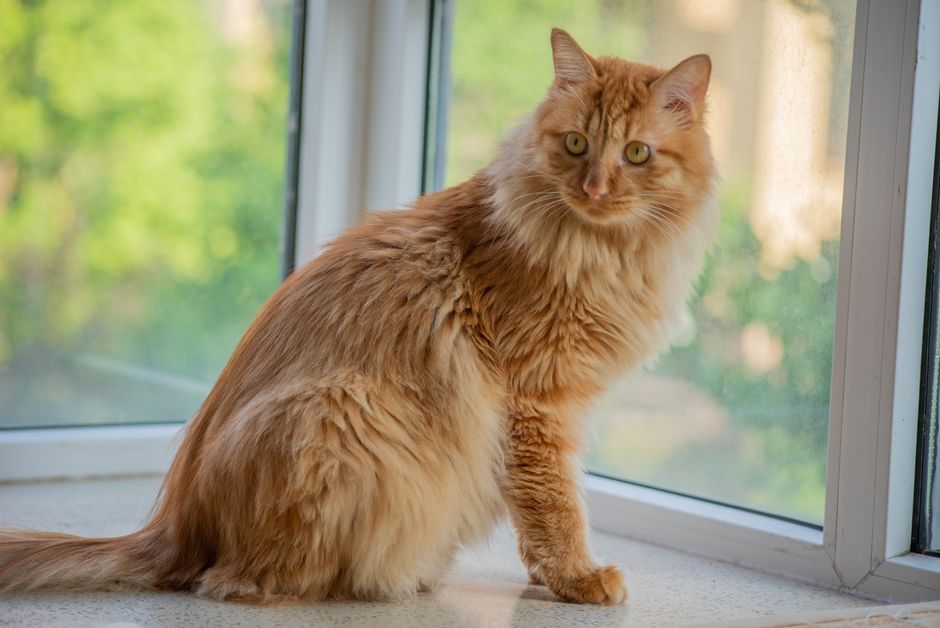
The most common failure is waiting until the coat looks tangled before touching it; by then, brushing may pull the skin, the cat may resist, and the owner may mistake fear for stubbornness. A second mistake is using force to finish one session, which teaches the cat that grooming predicts restraint and makes later handling harder. A third is shaving the coat for convenience without addressing the cause of matting, since poor coat condition, pain, obesity, dental disease, or reduced mobility may still need veterinary attention. The practical verdict is to keep sessions short, reward calm behavior, inspect hidden areas before they mat, and seek professional help for tight knots, skin odor, bleeding, sudden grooming refusal, or a coat that changes quickly; these signs can point to a health problem rather than a simple housekeeping failure.
Which Grooming and Space Products Are Worth Buying?
No single product solves Maine Coon care. The right purchase must match the cat’s size, coat density, and tolerance for handling. The figures below are planning ranges, not guaranteed retail prices, and the products are examples rather than endorsements or affiliate recommendations.
| Product | Useful specification | Best use | Clear verdict |
|---|---|---|---|
| Chris Christensen Big G Cat Carder | Long-pin slicker design for dense coats | Separating loose undercoat and working through long fur | Best for a Maine Coon that accepts regular brushing |
| Safari Self-Cleaning Slicker Brush | Push-button pin release and lighter handle | Routine surface brushing and beginner handling | Best lower-cost starting tool |
| KONG ZoomGroom Cat Brush | Flexible rubber teeth | Short sessions and cats that dislike wire brushes | Best for tolerance training, not serious mat removal |
| Frisco 72-in Faux Fur Cat Tree | 72-inch vertical layout with multiple platforms | Climbing, observation, and daily movement | Best size class for an indoor Maine Coon if anchored securely |
| PetFusion Ultimate Cat Scratcher Lounge | About 34 x 10.5 x 10.5 inches | Horizontal scratching and low resting | Best paired with, not substituted for, a tall tree |
Buy the grooming tool the cat will tolerate, then upgrade only when the coat demands more reach. A premium brush cannot compensate for a rushed session. For space, choose a stable 72-inch structure over several small towers that slide across the floor.
When Should You Not Choose a Maine Coon?
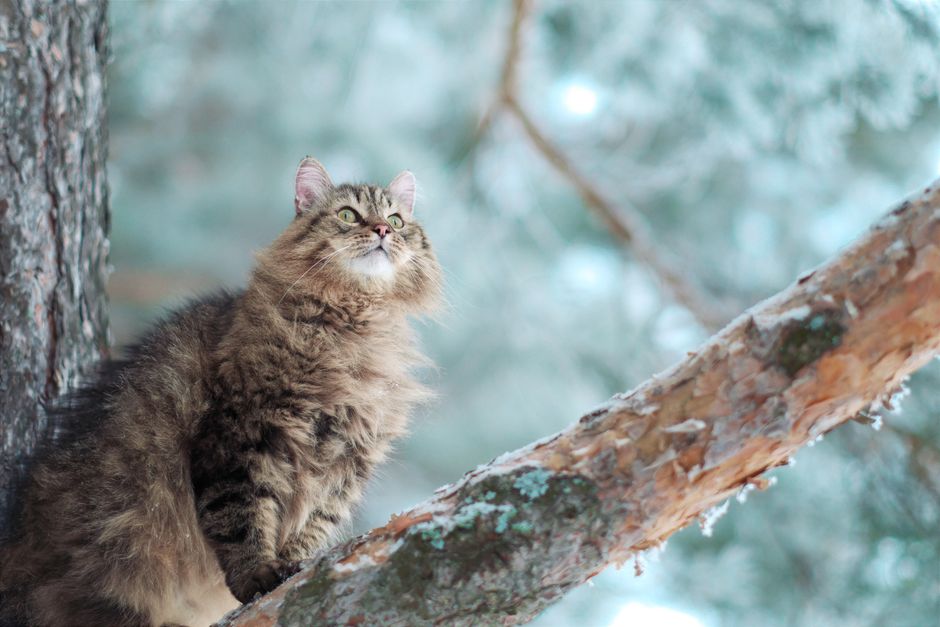
Is a Maine Coon a poor choice for a busy household?
It can be. A Maine Coon may live well with children and dogs, but only when the cat has protected escape routes and the household can respect closed doors, feeding boundaries, and rest periods. A home with constant chasing, rough handling, or no quiet room is a poor match.
Should you avoid the breed if you dislike grooming?
Yes. A Maine Coon is not the right choice for someone who wants a completely hands-off coat. Some individuals shed lightly, while others develop knots quickly. Plan on several short weekly sessions and occasional professional help. That is a predictable care obligation, not an unusual failure.
Is a small apartment an automatic deal-breaker?
No. A small apartment can work when the cat receives safe vertical territory, daily play, a large litter box, and regular human interaction. A large house can fail when the cat has no stable perches, no retreat, or no route away from other animals. The strongest single takeaway is this: Maine Coon care succeeds when grooming is brief and consistent and the home gives the cat stable vertical space with a quiet place to withdraw.
Medical Disclaimer: This content is for informational purposes only and does not constitute medical advice. Always consult a qualified healthcare professional before making health-related decisions.
Related Post

10 Cat Breeds That Like Water (Vet-Reviewed Guide With Pictures)
Felines are notorious for disliking water. But do all cats hate being around water? Believe [...]
10 Cats With Folded or Curled Ears (With Pictures)
You might not have ever thought about a cat’s ears before, but take a close [...]