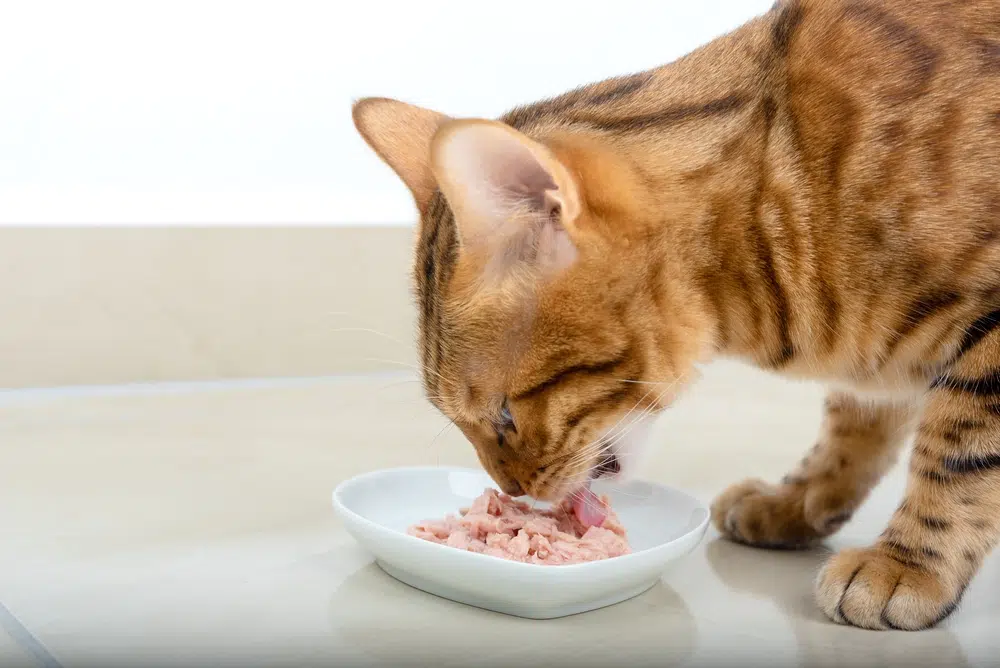
Top Cat Food Philippines: Honest Reviews for Feline Health
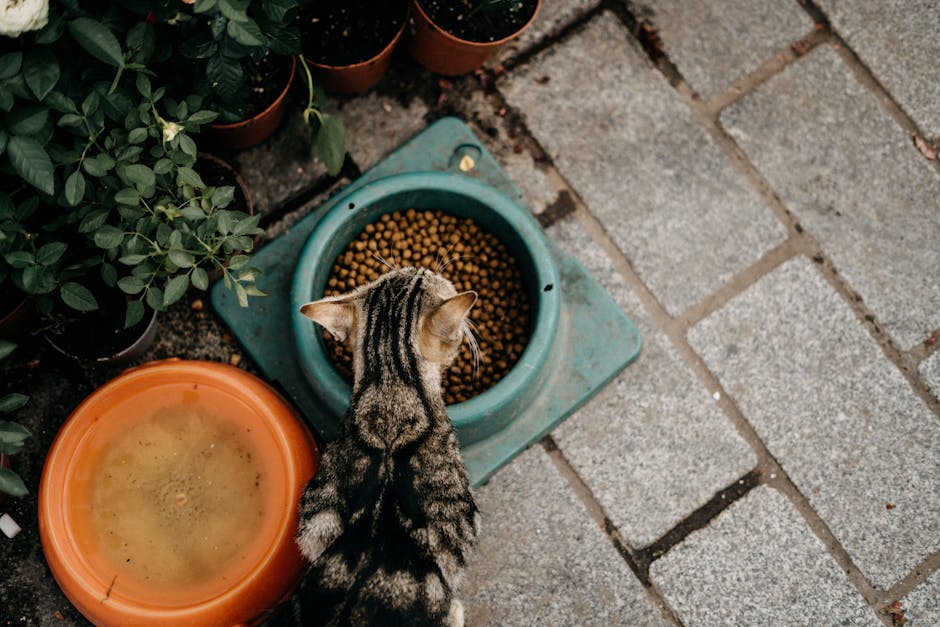
Picture this: You’re standing in the pet aisle of your local supermarket or scrolling endlessly through online stores like Lazada or Shopee. The shelves overflow with dozens of cat food brands – Whiskas, Purina, Royal Canin, Aozi, Special Cat, Holistic Recipe. Each bag promises “complete and balanced nutrition,” a “healthy coat,” or “strong immunity.” You grab a bag, hoping it’s the right choice, but a nagging doubt lingers. Is this really the best for your cat, or just clever marketing?
This is a common struggle for many cat parents in the Philippines. The misconception? That any cat food labeled “complete and balanced” is good enough, or that price automatically equals quality. Many believe that as long as their cat eats it, everything is fine. The truth is, selecting the right food is one of the most impactful decisions you’ll make for your cat’s long-term health, and most commercial foods, despite their claims, fall short in critical areas.
Why ‘Complete & Balanced’ Isn’t Enough for Your Cat’s Health
The phrase "complete and balanced" is thrown around a lot on cat food packaging. While it means the food meets the nutritional profiles set by organizations like the Association of American Feed Control Officials (AAFCO), it doesn’t tell the whole story. AAFCO sets minimums, not optimal levels, and allows for a wide range of ingredient quality. Think of it like a human diet: you can survive on instant noodles and soda every day, and it might technically be "complete" with added vitamins, but it’s far from healthy. The same applies to our feline friends.
The Hidden Traps of Generic Labels
Many budget-friendly cat foods rely heavily on plant-based proteins, cheap fillers, and artificial additives. Corn, wheat, and soy are common examples. Cats are obligate carnivores. Their digestive systems are designed to process meat, not grains. While some grains can be digested in small amounts, large quantities are difficult for their bodies to break down and extract nutrients from. This can lead to digestive issues, allergies, and nutrient deficiencies over time. Ingredients like "meat by-products" or "animal digest" are also red flags. These vague terms can mean anything from organs and bones to beaks and feathers, and their nutritional value is often inconsistent and low quality.
Essential Nutrients Your Cat Can’t Live Without
Your cat needs specific nutrients that only animal-based ingredients can reliably provide. High-quality animal protein (chicken, fish, beef) should be the first ingredient, not "corn gluten meal." They also require amino acids like taurine, which is crucial for heart health and vision. A deficiency can lead to serious health problems. Omega-3 and Omega-6 fatty acids, found in fish oil or flaxseed, are vital for skin, coat, and joint health. Lastly, water content is often overlooked. Cats naturally get much of their hydration from their prey. Dry kibble, even premium options, contains only about 10% moisture, which is insufficient. This low moisture intake can contribute to chronic dehydration and increase the risk of urinary tract issues.
Decoding Cat Food Labels: A Step-by-Step Guide
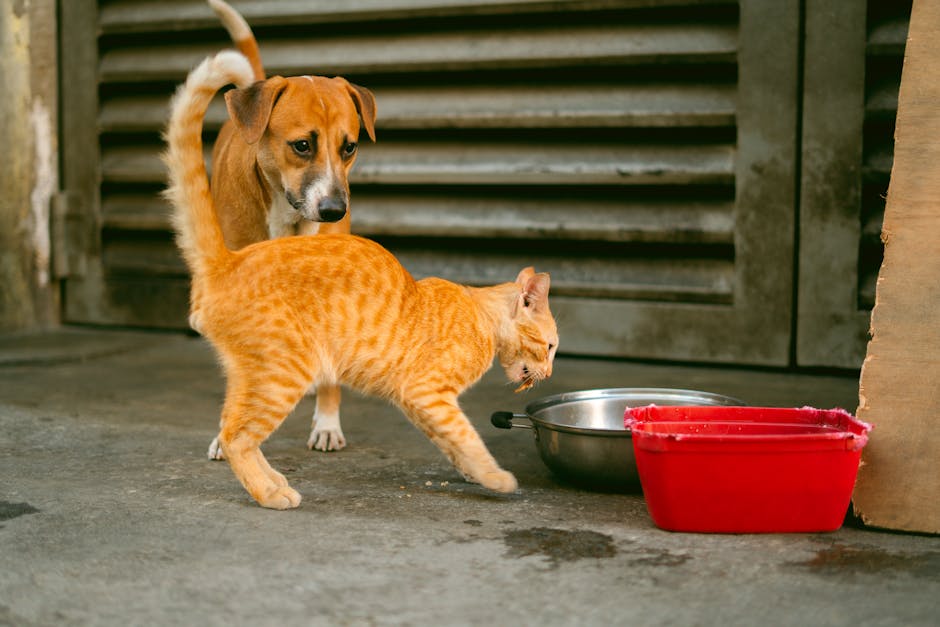
Becoming an expert label reader is your best defense against misleading marketing. Don’t just glance at the front of the bag. Turn it over and scrutinize the ingredient list. It’s listed by weight, so the first few ingredients make up the bulk of the food.
Prioritizing Protein Sources
Look for named meat sources as the first ingredient. "Chicken meal," "deboned salmon," or "turkey" are excellent signs. "Chicken meal" is actually better than "chicken" alone, as "chicken" includes water weight, which significantly reduces the actual protein content once cooked. Avoid generic terms like "meat meal" or "animal protein." Aim for at least 30-40% crude protein for adult cats, and even higher for kittens.
Here’s what to look for at the top of the list:
- Named Meat: Chicken, Salmon, Tuna, Beef, Turkey.
- Named Meat Meal: Chicken Meal, Salmon Meal. This is concentrated protein.
- Fish Oil: A good source of essential fatty acids.
What to avoid:
- Generic Meat: "Meat by-products," "animal digest."
- Excessive Plant Proteins: Corn gluten meal, pea protein (especially high on the list).
Spotting Harmful Fillers and By-Products
Beyond protein, check for fillers. Corn, wheat, soy, and rice are common cheap fillers. While some cats tolerate small amounts of rice, large quantities offer little nutritional value and can contribute to weight gain or digestive upset. Artificial colors, flavors, and preservatives (BHA, BHT, ethoxyquin) are also unnecessary and potentially harmful. Look for natural preservatives like mixed tocopherols (Vitamin E).
Understanding AAFCO Standards and Philippine Regulations
The AAFCO statement is typically found on the back of the bag. It will say something like, "[Product Name] is formulated to meet the nutritional levels established by the AAFCO Cat Food Nutrient Profiles for [life stage]." This confirms the food meets minimum requirements for a specific life stage (kitten, adult, all life stages). In the Philippines, local regulations ensure basic safety, but AAFCO remains the gold standard for nutritional adequacy. Always verify this statement. However, remember, meeting minimums doesn’t mean optimal. It’s a starting point, not the finish line for quality.
Comparing Popular Cat Food Brands in the Philippines
Choosing between brands in the local market can be daunting. Here’s a quick overview of what you can expect from some popular options found in Philippine pet stores and supermarkets. Prices are approximate for a 1kg-2kg bag, subject to change.
| Brand | Type | Key Ingredients/Focus | Pros | Cons | Price (PHP/kg approx.) |
|---|---|---|---|---|---|
| Whiskas | Dry & Wet | Poultry by-product meal, corn, soy, tuna/chicken flavor | Widely available, highly palatable for some cats, affordable. | High in fillers, vague protein sources, lower nutritional density. | ₱150 – ₱200 |
| Purina (Friskies/Felix) | Dry & Wet | Cereal grains, meat & bone meal, plant protein concentrate | Affordable, easy to find, variety of flavors. | Similar to Whiskas – often uses fillers and less desirable protein sources. | ₱160 – ₱220 |
| Special Cat | Dry | Dehydrated animal proteins (chicken/fish), corn, rice | More specific protein source than budget brands, slightly better value. | Still contains significant corn and rice as fillers. | ₱180 – ₱250 |
| Aozi | Dry | Fresh meat (chicken/salmon), brown rice, vegetables | Grain-free/low-grain options, higher quality protein, good price-to-nutrition ratio. | Can be harder to find in all physical stores, specific formulations might be limited. | ₱250 – ₱350 |
| Holistic Recipe | Dry | Chicken meal, salmon, brown rice, peas, cranberries | Focus on natural ingredients, no by-products, often includes beneficial supplements. | Higher price point, can be less palatable for picky eaters due to healthier profile. | ₱380 – ₱500 |
| Royal Canin | Dry & Wet | Dehydrated poultry protein, rice, corn, animal fats | Highly specialized formulas (breed, age, specific health issues), consistent quality, veterinarian recommended. | Very expensive, contains fillers like corn and rice, not truly grain-free. | ₱600 – ₱900 |
As you can see, the price differences are significant, and often reflect the quality of ingredients. While brands like Whiskas and Purina are everywhere and easy on the wallet, they often rely on less digestible fillers. Moving up to Aozi or Holistic Recipe generally means better protein sources and fewer questionable ingredients. Royal Canin offers unparalleled specialization, but you pay a premium, sometimes for formulas that still include a fair amount of corn or rice.
Solving Common Cat Ailments with the Right Diet

Many common health problems in cats can be significantly alleviated, or even prevented, with a proper diet. Ignoring early signs or sticking to an inappropriate food can lead to chronic conditions that require expensive veterinary care and reduce your cat’s quality of life. This is where the "practical guide" really comes into play. You need to act proactively.
Addressing Urinary Tract Issues
Urinary tract infections (UTIs) and Feline Lower Urinary Tract Disease (FLUTD), including crystal formation, are alarmingly common in cats. The primary culprits are chronic dehydration (often from a dry-kibble-only diet) and a diet that creates an imbalanced urine pH. Cats require high moisture intake. Switch from an exclusively dry food diet to at least a partial wet food diet. Even better, aim for a mostly wet food diet. Look for wet foods that are specifically formulated for urinary health, often labeled "urinary care" or "pH balanced." Brands like Royal Canin Urinary Care (wet food pouches or cans) are excellent choices, although expensive. Alternatively, consider adding water to your cat’s dry kibble or offering a pet fountain to encourage drinking. Aim for wet food content to be at least 60% of their daily intake. This simple switch can drastically reduce the risk of painful and dangerous urinary problems. For example, a 4kg adult cat needs roughly 200-250ml of water daily. Dry kibble provides only about 10% of its weight in water, meaning a cat eating 60g of dry food gets only 6ml of water from food. A 85g wet food pouch, which is 80% water, provides 68ml. The difference is massive.
Managing Digestive Sensitivities
Is your cat prone to vomiting, diarrhea, or frequent hairballs? These can be signs of digestive sensitivities. Often, the culprit is specific ingredients like corn, wheat, soy, or artificial additives. Your first step should be an elimination diet. Transition slowly to a limited-ingredient diet (LID) cat food. These foods contain a single, novel protein source (like duck or venison) and a limited number of carbohydrates. Holistic Recipe often has LID options. Grain-free foods, while not universally necessary, can also be beneficial if grains are the trigger. Make sure to transition slowly over 7-10 days, gradually mixing the new food with the old, to avoid further upset. Observe your cat closely for improvements in stool quality, reduced vomiting, and improved appetite. For hairballs, a diet rich in Omega fatty acids and specific fiber blends can help. Look for ingredients like psyllium husk or beet pulp in moderation.
Supporting Skin and Coat Health
Dull fur, excessive shedding, dry flaky skin, or constant scratching are indicators of poor skin and coat health, frequently tied back to diet. The solution often lies in increased intake of essential fatty acids. Look for cat foods that list fish oil (salmon oil is great) high in their ingredient list. Omega-3s and Omega-6s are critical for maintaining skin barrier integrity and producing a healthy, shiny coat. Many premium brands, including Aozi and Holistic Recipe, incorporate these. You can also supplement your cat’s diet with a small amount of human-grade salmon oil (liquid form, added to food) daily. Start with a tiny amount, like 0.5ml for a small cat, and increase gradually. Ensure the supplement is specifically for pets or high-quality human consumption. Within a few weeks, you should observe a noticeable improvement in coat luster and reduction in flakiness. The goal is a soft, gleaming coat, not a greasy one.
My Top Picks for Philippine Cat Food (and Why)
After reviewing numerous brands and considering both nutritional value and accessibility in the Philippine market, I have clear recommendations. Remember, the "best" food for your cat depends on their specific needs and your budget, but these brands offer excellent value for their quality.
Best for Overall Health: Royal Canin Feline Health Nutrition
Despite its higher price and inclusion of some grains, Royal Canin excels in research and specific formulations. If your cat has a particular breed, age, or health concern (e.g., Persian Adult, Maine Coon Kitten, Indoor Cat, Gastrointestinal, Urinary S/O), their tailored formulas are often unparalleled in addressing those exact needs. The consistency and veterinary backing make it a reliable choice for long-term health management, especially for cats with specific dietary requirements. For example, Royal Canin Feline Health Nutrition Indoor 27 (around ₱750/kg) is specifically designed to manage hairballs and reduce stool odor for indoor cats, which is a common concern.
Best Budget-Friendly Quality: Aozi Cat Food
For cat parents seeking significantly better quality than supermarket brands without breaking the bank, Aozi Cat Food is my top pick. Their formulations typically feature real meat (chicken, salmon) as the primary ingredient, often incorporating brown rice and vegetables while limiting artificial additives. It provides a much higher nutritional density compared to Whiskas or Purina at a competitive price point (around ₱300/kg). Aozi is available in major pet stores like Pet Express and online via Lazada and Shopee, making it relatively easy to source. It’s a fantastic stepping stone for upgrading your cat’s diet.
Best for Sensitive Stomachs: Holistic Recipe Cat Food
If your cat struggles with digestive issues, allergies, or needs a truly clean diet, Holistic Recipe Cat Food (around ₱450/kg) is an excellent investment. They prioritize natural, wholesome ingredients, often featuring single protein sources and excluding common allergens like corn, wheat, and soy. Their formulas include beneficial supplements like prebiotics and probiotics to support gut health, and cranberry extract for urinary support. While pricier than Aozi, the peace of mind and the visible improvement in your cat’s digestion, skin, and coat are worth it. Look for their "Adult Formula Salmon & Rice" or "Adult Formula Chicken Meal & Rice" for a solid start.
The Single Most Important Cat Food Factor
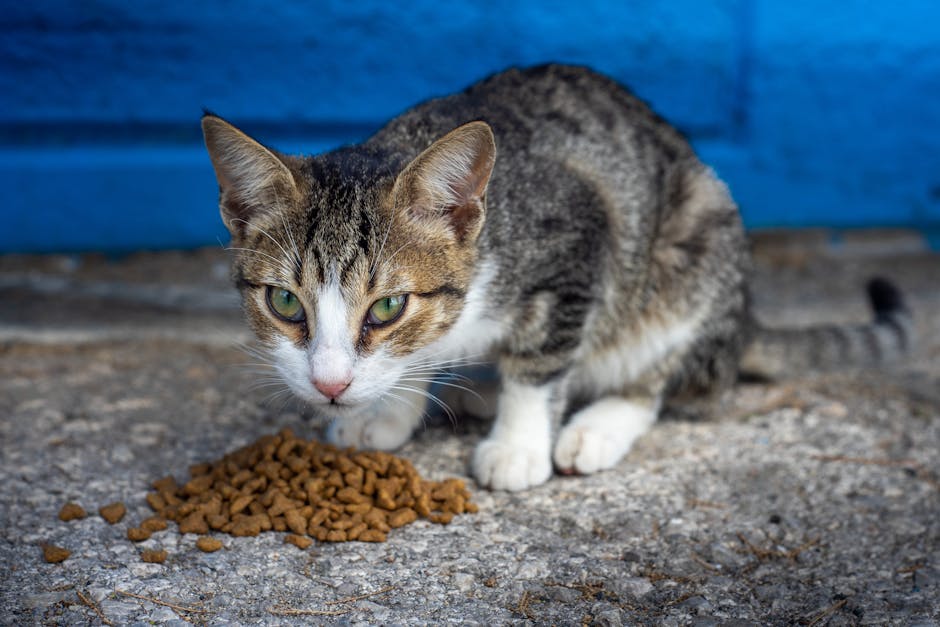
It’s not about the brand name or the flashiest packaging. The single most important factor in choosing cat food is its moisture content. Cats are designed to get significant hydration from their food. A diet primarily of wet food, or at least a significant portion, is crucial for preventing dehydration and supporting kidney and urinary tract health. Prioritize high-quality wet food whenever possible.
Ultimately, selecting the right cat food in the Philippines means becoming an informed consumer. Read labels, understand your cat’s specific needs, and don’t be afraid to invest a little more for better health. Your cat will thank you with a vibrant coat, boundless energy, and fewer trips to the vet.
Related Post

Where Do Outdoor Cats Sleep? 7 Places They Like to Curl Up (Vet-Reviewed)
Some cats are strictly indoor pets and prefer lounging on a bed, tower, or sofa. [...]
Hiking With a Cat: If It Is Possible & Training Tips
Many cats enjoy spending time in the great outdoors, either on walks or while enjoying [...]